
 EN
 DE
 RU
 PT
 JA
 ES
 IT
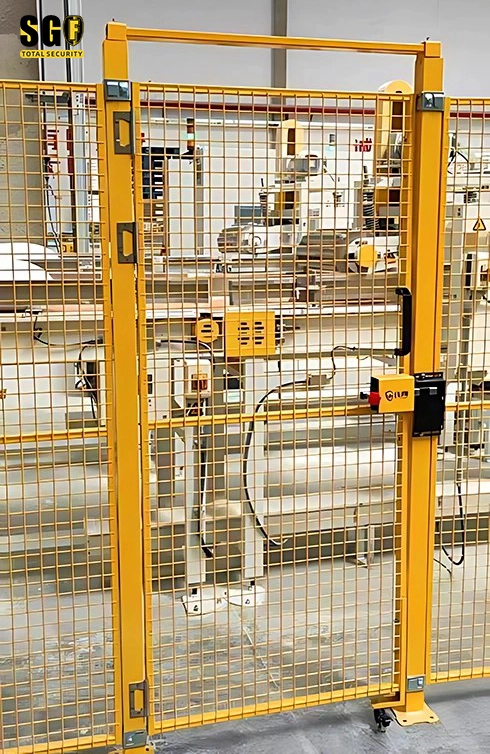
A Gate Detail Can Hold Up the Entire Fence Package
In a machine-guarding project, the client specified a hinged gate with a connecting cross beam. The beam was intended to reinforce the gate when open. The same proposal left other important items unresolved: the number of gates, the final top alignment of the panels, and the mounting details for a client-supplied electrical safety switch.
For a system integrator, these are not minor notes. The designer needs a clear gate and post arrangement; the project manager needs a stable quantity list; and the sales manager needs to distinguish confirmed scope from assumptions before quoting delivery and installation.
Record the Gate Structure as a Confirmed Design Input
- Gate type: hinged gate, as specified for this project.
- Cross beam: show the connecting beam between the gate posts and state its intended role of stiffening the gate when open.
- Gate handing and opening direction: confirm these against the cell layout; the proposal does not supply the final handing.
- Gate count and clear opening: keep them open until the client confirms quantities and dimensions.
- Support castor: consider the proposed support-wheel kit where required by the project design, but do not assume it is included without confirmation.
The proposal also names plastic or all-metal handle options. These are options to confirm with the client, not fixed components that can be assumed in every gate package.
Keep the Safety Switch Interface Inside the Design Review
The source proposal states that the client-appointed party supplies and installs the lock and electrical safety switch, while the fence supplier needs the switch mounting parameters to make a custom latch carrier. This boundary should be explicit in the technical response and the quotation.
- Ask for the exact switch model and mounting dimensions before releasing the carrier drawing.
- Confirm the gate type, handing and actuator approach so the switch and latch geometry can be reviewed together.
- Record which party supplies the switch and which party installs and commissions it.
- Show any remaining interface decision as an open item; do not invent a hole pattern or imply the supplier is furnishing the switch.
This process does not itself establish a safety circuit design or certify the complete machine. The integrator remains responsible for validating the machine-level safety function and the selected component interface.
Freeze the Inputs Before Releasing BOM, Schedule and Freight
The proposal covers approximately 500 m of fencing, but the gate count was still to be confirmed. The packing figures list 500 posts at 2.7 m³, 500 mesh panels at 21 m³ and accessories at 0.3 m³; these are project packing values, not a universal freight formula. A changed gate count or opening width can change panel quantities, accessories and packing, so the team should not treat the initial list as final until the layout is approved.
- Designer: close the gate locations, openings, handing and panel alignment with the customer.
- Project manager: release the BOM and packing list only after quantities and accessories are confirmed.
- Sales manager: state the open quantities and supply/install boundaries in the quotation, then update them when the client approves the design.
This is the practical meaning of design freeze: not that every project input is known at the first meeting, but that unresolved items stay visible and are closed before they turn into procurement or site changes.
Scope Note
The gate arrangement, approximate 500 m run and packing volumes above come from one proposal and are project-specific. The proposal does not state a final gate count, clear opening, handing, lead time or complete switch specification. Confirm these items in the approved drawing and released BOM. The fence supplier’s scope for the electrical switch is limited by the proposal’s stated client-appointed supply and installation responsibility.

