IT
IT  EN
EN  DE
DE  RU
RU  PT
PT  JA
JA  ES
ES 
Excavation Fences
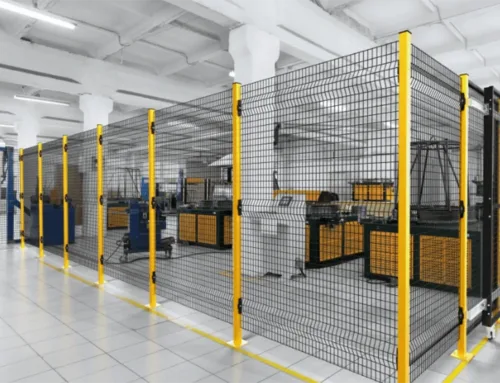
Excavation fences are essential safety barriers used in construction and excavation sites to prevent unauthorized access and protect both workers and the public from potential hazards. These fences serve a crucial role in maintaining safety and security within the construction zone.</p>
Weather Resistance and Durability
One of the primary concerns when it comes to excavation fences is their ability to withstand adverse weather conditions and provide long-term durability. Let’s delve into these aspects to understand how excavation fences meet these challenges:
Resistenza agli agenti atmosferici
Excavation fences are typically designed to be weather-resistant. They are constructed using materials that can endure a range of environmental conditions. Here’s how they handle different weather challenges:
- Rain: Excavation fences are often made from materials like galvanized steel or plastic, which are resistant to water damage. They can withstand heavy rain without rusting or degrading.
- Wind: These fences are designed with structural integrity, ensuring they can resist the force of strong winds. Additionally, they are anchored securely to the ground to prevent toppling.
- Sun: The materials used in excavation fences are UV-resistant, preventing damage from prolonged exposure to the sun’s rays.
Durability for Long-Term Use
Excavation fences are built to be durable for long-term use. They are constructed with sturdy materials and a design that ensures longevity:
- Material Selection: These fences are typically made from materials known for their durability, such as steel or high-density polyethylene (HDPE).
- Corrosion Resistance: Steel excavation fences are often coated with a protective layer to prevent corrosion, extending their lifespan.
- Resistenza agli urti: Excavation fences are designed to withstand accidental impacts, ensuring they don’t get damaged easily during construction activities.
- Facile manutenzione: Regular maintenance, such as cleaning and inspections, can help extend the life of excavation fences.
Applicazioni

Excavation fences find applications in various industries and settings, including but not limited to:
- Costruzione: These fences are commonly used on construction sites to cordon off areas under development.
- Excavation Projects: They are essential for excavation projects to ensure safety and security around deep holes and trenches.
- Utility Maintenance: Utility companies use excavation fences to protect workers and the public during maintenance and repair work.
- Gestione degli eventi: Excavation fences can be used for crowd control and safety at events and festivals.
Conclusione
In conclusion, excavation fences are designed to withstand adverse weather conditions and offer long-term durability. They are constructed with weather-resistant materials and built to last, making them a reliable choice for maintaining safety and security in construction and excavation sites.
Riconfigurazione delle linee Food & Beverage: come la recinzione di sicurezza senza telaio Mefence trasforma la suddivisione dello stabilimento in una risorsa riutilizzabile
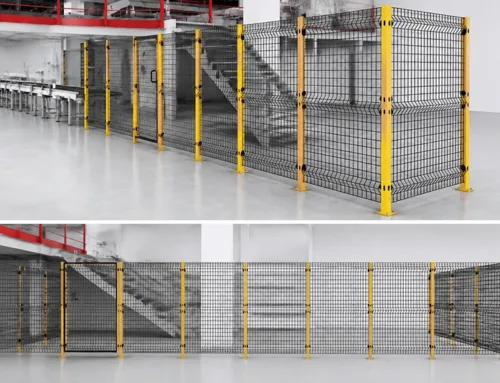
I cicli di vita brevi degli SKU e i frequenti cambi di linea di produzione rendono costoso abbandonare le partizioni saldate. La recinzione di sicurezza industriale 3D senza telaio Mefence utilizza moduli fissati con clip, taglio in loco e componenti riutilizzabili per la suddivisione dei magazzini, la protezione dei macchinari e la separazione pedoni-veicoli.
Riconfigurazione delle linee Food & Beverage: come Mefence trasforma la recinzione di sicurezza industriale in una risorsa riutilizzabile
I cicli di vita più brevi degli SKU costringono gli stabilimenti alimentari e delle bevande a ridisegnare le zone di produzione. La recinzione di sicurezza industriale 3D senza telaio Mefence può essere smontata, tagliata in loco, spostata e riutilizzata al variare dei layout.
Riconfigurazione delle linee Food & Beverage: trasforma la recinzione di sicurezza Mefence in una risorsa riutilizzabile dello stabilimento
Quando SKU stagionali e lotti pilota modificano ripetutamente il layout di produzione di uno stabilimento alimentare e delle bevande, la recinzione di sicurezza Mefence sostituisce le suddivisioni saldate con una barriera modulare senza telaio che può essere smontata, tagliata in loco e riutilizzata.