JA
JA  EN
EN  DE
DE  RU
RU  PT
PT  ES
ES  IT
IT 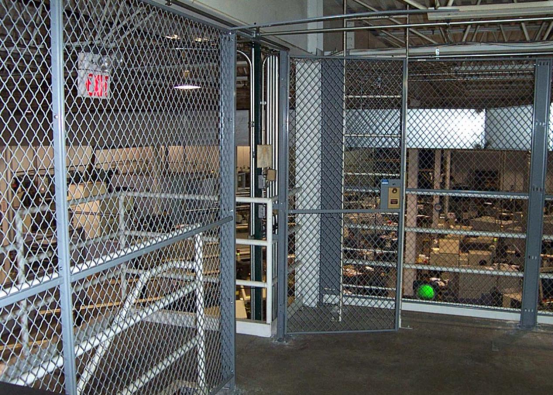
Proposals for operational safety often land on a CFO’s desk framed as a necessary, but unexciting, cost center. This is a fundamental misreading of the financial landscape. A modern approach to warehouse access control using modular ワイヤーパーティション isn’t an expense; it’s one of the highest-ROI investments a logistics-based business can make. In finance, every dollar must be justified. It must either drive revenue, reduce cost, or mitigate significant risk. While warehouse safety measures have traditionally been seen as a grudge purchase, it’s time to analyze them as a capital investment that actively improves the balance sheet.
現状維持がもたらす真の経済的損失
The “inefficiencies” your warehouse manager complains about are not just operational headaches; they are tangible, recurring costs bleeding directly from your bottom line. Let’s quantify this. A typical warehouse can lose over two hours of productivity per day from inefficient driver management. In financial terms:
- 非効率税: 2 hours/day x 250 workdays/year = 500 hours/year. At a conservative burdened labor rate of $30/hour, that is $15,000 per year, per facility, lost to process friction.
- OPEXのブラックホール(人間の看守): A common response is hiring a security guard. A fully-loaded cost can easily reach $52,000 annually in salary and benefits—a recurring, non-value-adding expense.
これを組み合わせれば、現状維持は簡単にできる。 $60,000+ annual drain その一方で、潜在的な事故による莫大な偶発的責任を完全に排除することはできなかった。純粋に財政的な観点からすれば、これは容認できない漏れである。.
設備投資の罠:壁の建設
The next logical step for many is to propose a permanent solution: building a concrete-block reception office. This appears to solve the problem, but it introduces a new, more insidious financial trap.
恒久的な建造物を建設することは、多額の資本支出(CapEx)であり、多くのデメリットが隠されている:
- 高い初期費用と混乱: The project requires architects, permits, contractors, and weeks of construction, leading to significant operational downtime.
- サンクコストのジレンマ A brick-and-mortar room is an immovable, fixed asset. If your business needs to move, reconfigure, or downsize in the future, that entire investment becomes a サンクコスト. Its value plummets to zero the moment your business strategy changes.
現代のアプローチ柔軟でROIの高い資産への投資
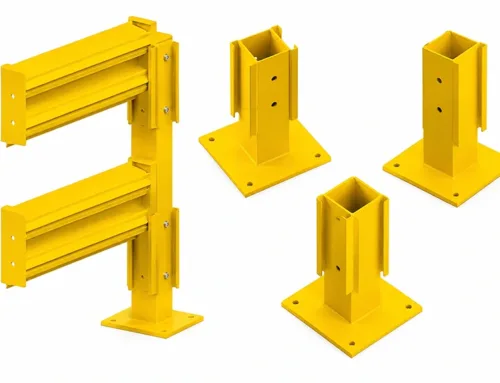
A strategic financial leader must invest in solutions that support long-term business agility. This is where a modular system of ワイヤーパーティション becomes a superior financial instrument.
戦略的CFOの立場で分析してみよう:
- OPEXをCapExに変換する: The primary move is a one-time capital investment to permanently eliminate a recurring operational expense. A sample payback period on a modular system can be as short as 7 months. From the 8th month onward, the system generates thousands in pure cost savings for the life of the asset.
- ビジネスの俊敏性を維持する: Unlike a permanent wall, a modular system is an asset designed for change. It can be easily disassembled, moved, and reconfigured. If you move to a new facility, this asset moves with you. Its value is not tied to the real estate; it is an investment in future flexibility.
- 負債を有形資産に変える: A robust physical system actively mitigates the risk of an uncontrolled entry point. This not only protects against catastrophic loss but can also be leveraged for lower insurance premiums, turning a nebulous risk into a hard, depreciable asset.
戦略的選択
財務リーダーとしての決断は明確だ。あなたには3つの道がある:
- 現状を受け入れる: Tolerate an annual six-figure drain from inefficiency and OPEX, while carrying immense liability risk.
- 固定構造への投資: Commit significant capital to a solution that becomes a sunk cost and hinders future agility.
- 柔軟な資産に投資する: Make a calculated, one-time investment that delivers a rapid ROI, protects the business, and functions as a strategic asset that adapts to the future needs of your company.
The modern warehouse is a dynamic environment. Its safety and efficiency should not be managed with outdated thinking. The right investment isn’t just about preventing accidents; it’s about building a more resilient, agile, and profitable business.