EN
EN  DE
DE  RU
RU  PT
PT  JA
JA  ES
ES  IT
IT Machine Fence for plasma cutting cells
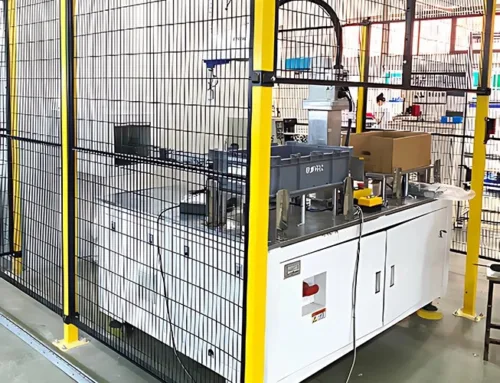
Machine Fence for plasma cutting debris control and floor-space recovery
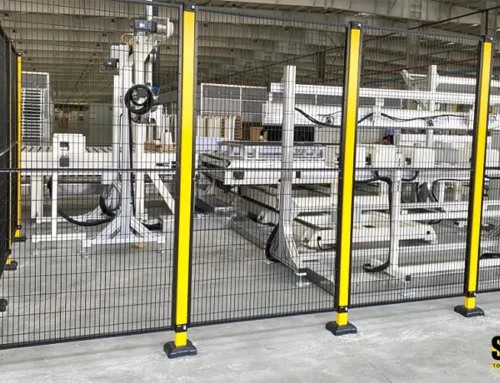
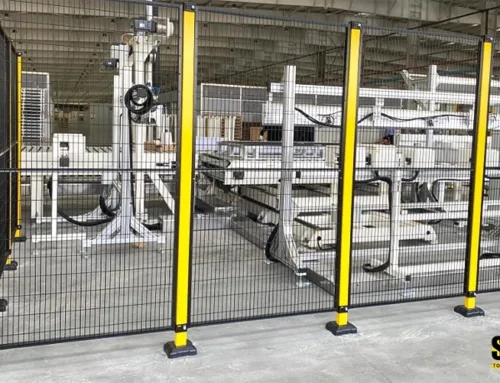
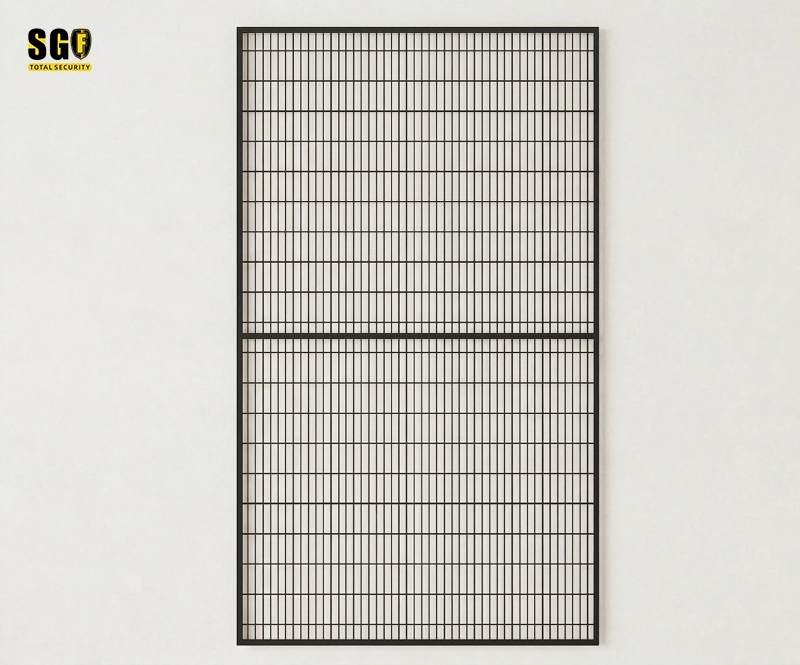
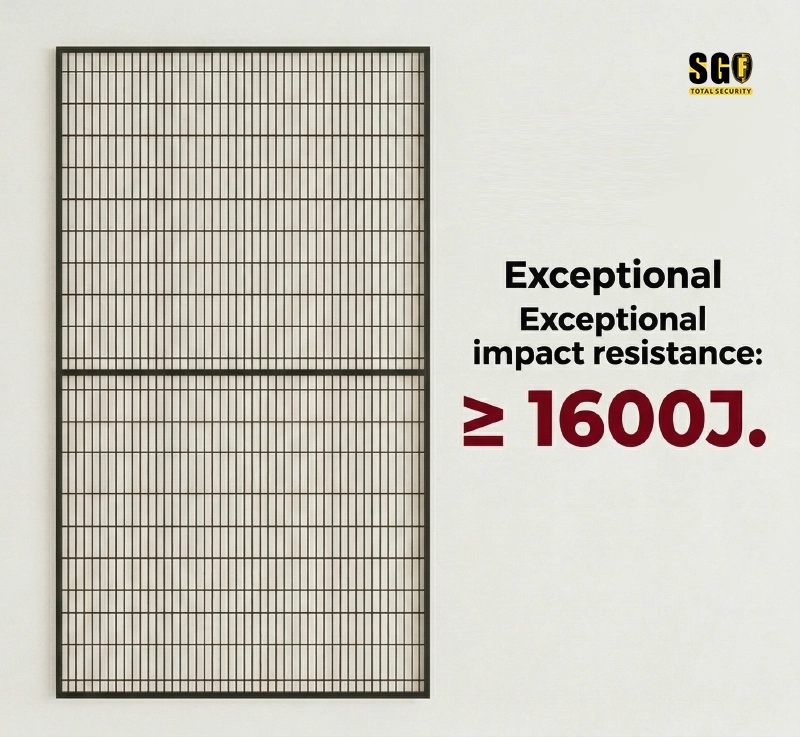
When plasma cutting and milling throw high-speed metal chips into the air, a Machine Fence has to do two jobs at once: stop the debris and stay close enough to the machine to avoid wasting floor area. This layout uses 20x100mm anti-reach mesh and a 20x30mm fully welded rectangular-tube frame so the fence can be placed as close as 120mm from the hazard while still supporting ISO-compliant guarding.
Why the old guarding layout fails in cutting and milling bays
The common mistake is oversizing the opening in the name of safety. If the mesh aperture is too large, the barrier must move far away from the machine, and the plant loses a wide strip of usable space around every cell. That problem gets worse in plasma cutting bays, where flying chips, sparks, and broken slugs move fast enough to punish weak frames and loose connections. A Machine Fence solves the conflict by pairing a narrow anti-reach mesh with a rigid welded frame, so the protection line can stay tight to the hazard instead of consuming the workshop.
| Requirement on site | Machine Fence response |
|---|---|
| Contain flying metal chips and cutting debris | 20x100mm narrow-aperture mesh helps block reach-in and stop fast-moving fragments at the perimeter |
| Keep the fence close to the machine | Layout can be installed as close as 120mm from the danger zone to recover floor area |
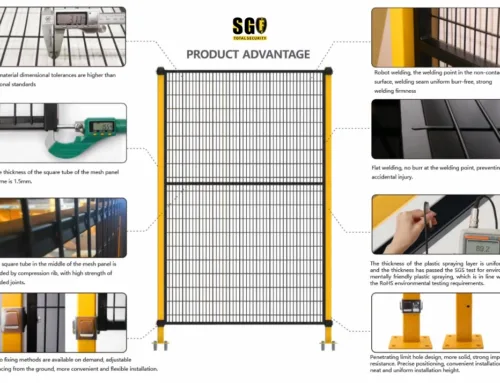
| Prevent frame deflection and panel wobble | 20x30mm fully welded rectangular tube gives the fence the stiffness needed for hard industrial duty |
| Maintain a clean, auditable guarding line | Rigid post-and-panel construction keeps the boundary visible, repeatable, and easier to document for safety review |
Structure details that make the Machine Fence fit cutting debris jobs
1) Narrow mesh is the first line of defense
The 20x100mm mesh format is not a styling choice. It is the reason the fence can work around high-energy metal waste without opening a wide reach gap. For plasma cutting and milling bays, this matters because the barrier has to stop hand access, keep fragments in check, and still leave enough visibility for operators and supervisors. The close-pitched mesh does that without forcing the fence line back into the aisle.
2) The welded rectangular frame carries the load
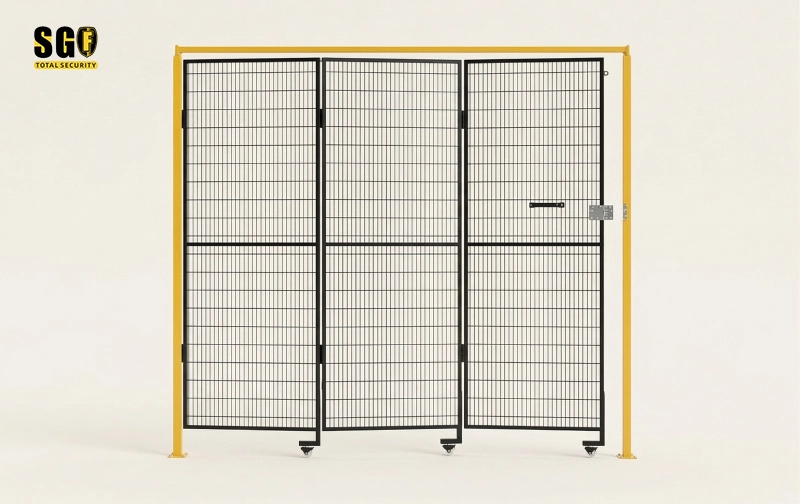
A narrow mesh alone is not enough if the frame flexes. The 20x30mm fully welded rectangular-tube border is what keeps the panel line steady when the surrounding area sees vibration, tooling impact, and repeated cleaning cycles. That stiffness is the difference between a temporary divider and a real Machine Fence that stays aligned, keeps the mesh tensioned, and protects the opening geometry over time.
3) Close-in installation restores expensive floor space
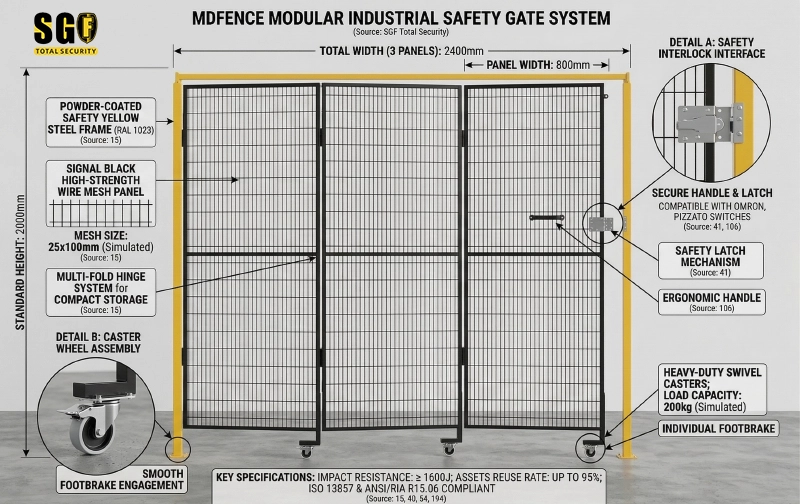
In many plants, the real cost is not the fence itself. It is the dead area left behind when the guarding line has to be pushed far away from the machine to satisfy an oversized mesh opening. By allowing a guarding distance of only 120mm, this Machine Fence recovers working aisle width, keeps maintenance access practical, and lets planners redesign the cell without sacrificing safety or access control.
Where this Machine Fence works best
- Large plasma cutting cells where sparks and flying chips need perimeter containment.
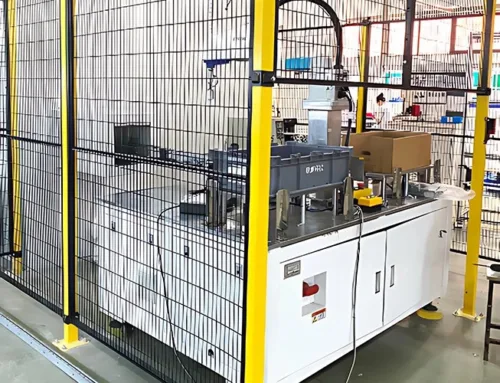
- Milling bays where the guarding line must stay close to the spindle zone without wasting aisle width.
- Retrofit projects inside crowded workshops where every millimeter of recovered space matters.
- Machine clusters that need a visible, rigid, ISO-oriented boundary instead of a soft divider.
For these jobs, the key is not a generic safety barrier. It is a Machine Fence built around the real cut line, the chip path, and the available footprint. If the plant can define the danger envelope and the access points, the narrow mesh and welded frame can be arranged to match the process rather than forcing the process to move around the fence.
What to specify before you request a layout
Send the machine footprint, the chip and spark direction, the operator access side, and the aisle width you want to keep. With that information, the Machine Fence can be mapped to the process so the panel line stays tight, the 20x100mm mesh stays effective, and the 20x30mm welded frame supports a clean, durable installation. That is how a guarding project turns from a lost-space compromise into a usable production layout.
Turn a safety boundary into recovered plant space
If your current guarding line is forcing you to waste expensive floor area, this Machine Fence is the practical fix: narrow aperture, rigid welded frame, close-in installation, and a visible industrial boundary built for cutting debris environments.