EN
EN  DE
DE  RU
RU  PT
PT  JA
JA  ES
ES  IT
IT
Machine Guarding
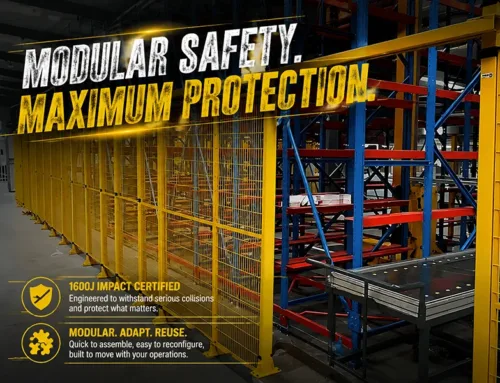
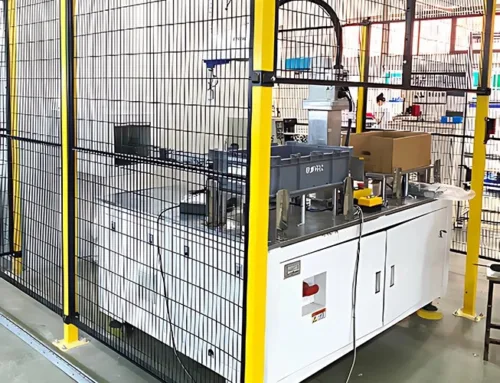
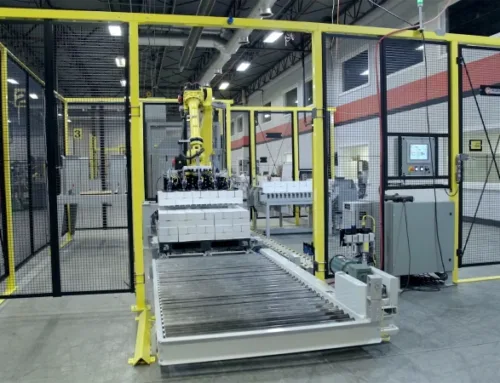
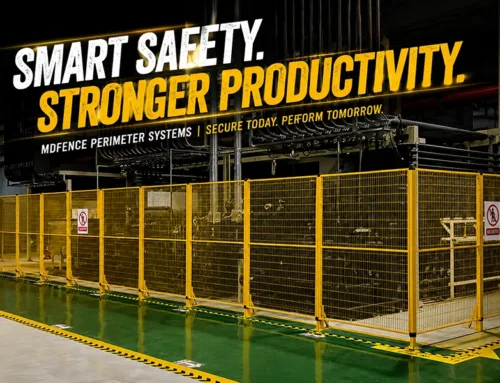
Machine Guarding Fence Panels give automation teams a cleaner way to secure pallet nailing lines and packaging cells: the fence comes with reserved safety interlock mounting positions, so integrators can connect Omron D4NL, Pizzato, and similar safety switches without repeated onsite drilling or guesswork.

Why standard machine guarding projects get expensive onsite
| Scenario | Automated pallet nailing lines and packaging lines with PLC-driven safety circuits |
| Old approach | Buy a generic fence, then send engineering to the site to measure, drill, and adapt interlock hardware |
| Main pain | Hidden labor cost, longer commissioning time, and a safety loop that depends on manual retrofit quality |
| What buyers need | A fence system that already matches common safety switch layouts and supports stable integration from day one |
Built for safety interlock integration, not after-the-fact patching
Machine Guarding Fence Panels were planned around the real work of automation integration. Instead of asking the electrical team to create a new gate interface on site, the panel design keeps the safety handoff simple: the gate area is ready for Omron D4NL, Pizzato, and other mainstream interlocks, which helps the guard, door, and safety circuit behave like one system.
01. Reserved mounting positions for interlock switches
The first requirement in many machine guarding projects is not the panel itself, but the interface at the access door. The reserved hole pattern reduces field modification and keeps the safety switch position predictable for the commissioning team.

02. Welded steel structure for industrial cells
The fence structure is built for machine perimeter guarding in harsh automation environments. A welded steel frame gives the panel the rigidity that packaging systems and pallet lines need when operators, forklifts, and maintenance routines all share the same floor.

03. Standardized perimeter control for repeatable layouts
When the line changes, the guard should not become a custom fabrication problem. This panel family supports a repeatable perimeter layout, which is exactly what automation integrators need when one site has a pallet nailing cell and the next has a packaging line with a different footprint.

Where this interface matters most
- Pallet nailing lines that must stop instantly when a protective door opens.
- Packaging lines that need a stable safety circuit with fewer onsite adjustments.
- Automation projects where the integrator wants standardized door hardware and cleaner commissioning.
What the engineering team gets back
Instead of paying for repeated measurement, drilling, and emergency rework, the team gets a fence system that is already aligned with common safety interlock hardware. That shortens commissioning, reduces hidden labor, and makes the safety loop easier to defend during handover.
Make the guard line-ready before it reaches the site
If your project needs machine guarding that fits automation logic from the start, Machine Guarding Fence Panels are the practical answer: a cleaner interface, faster integration, and fewer surprises during installation.