EN
EN  DE
DE  RU
RU  PT
PT  JA
JA  ES
ES  IT
IT Machine guarding fence panels for plasma cutting zones
Machine guarding fence panels that control flying metal debris and recover floor space
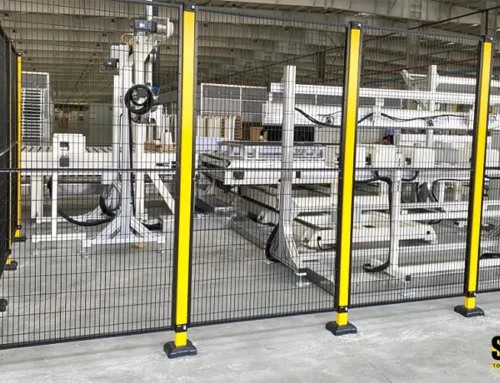
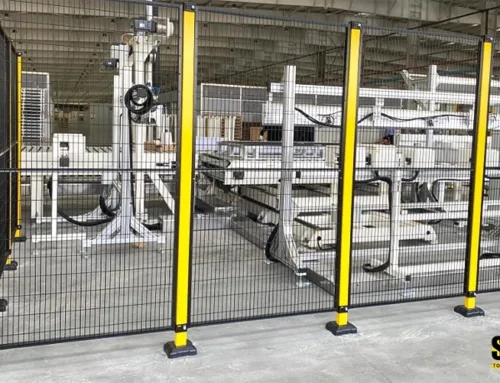
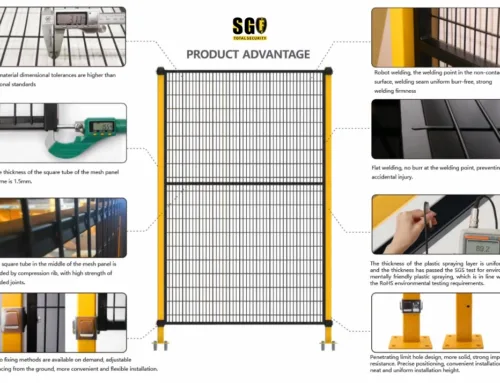
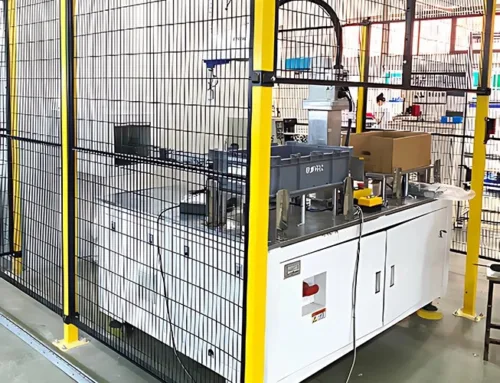
When large plasma cutting and milling machines throw high-speed metal chips, a wider safety gap is often forced by ordinary mesh. Our machine guarding fence panels solve the conflict: 20x100mm anti-probe mesh, a 20x30mm fully welded rectangular frame, and installation as close as 120mm from the hazard to reclaim valuable factory area.
Why the old set-back method wastes space
In plasma cutting and milling cells, the problem is not only impact energy. Fine, fast metal debris can travel outward with enough force to turn a large opening into a liability. If the fence mesh is too open, safety rules push the barrier farther away from the machine. That means the same line consumes more aisle depth, more loading room, and more premium floor area. In high-cost plants, that wasted strip becomes a recurring operating loss.
| Old approach | Practical result |
|---|---|
| Wide mesh openings | Debris can escape, so the fence must move farther back |
| Weak frame sections | More deflection, less confidence near high-speed chip zones |
| Generic perimeter layouts | Protected area grows, but usable factory space shrinks |
Why machine guarding fence panels fit this application
20x100mm mesh that blocks the debris problem at the source
The key is the narrow aperture. The 20x100mm mesh acts as an anti-probe barrier that helps stop high-speed chips and splatter before they reach operators or neighboring aisles. This is the right response when the hazard is flying metal waste, not just casual contact. It lets the safety zone be defined around the real risk, instead of expanding the zone because the panel is too open to trust.
20x30mm fully welded rectangular frame for stiffness and alignment
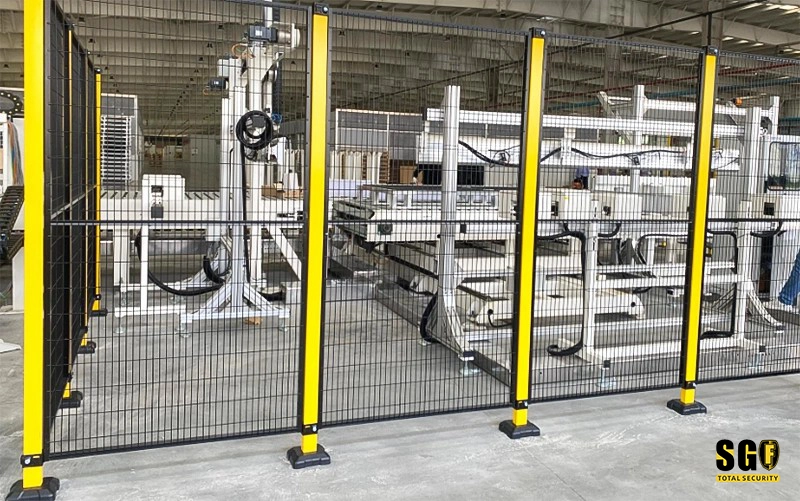
Panels that sit close to an active machine need more than mesh. The 20x30mm welded rectangular frame gives the panel the rigidity needed to stay true under vibration, routine contact, and daily industrial traffic. That stiffness supports a tighter installation plan, which is exactly what plants need when every millimeter of aisle width matters. It also makes the system easier to keep aligned across long runs.
Install as close as 120mm to reclaim costly plant area
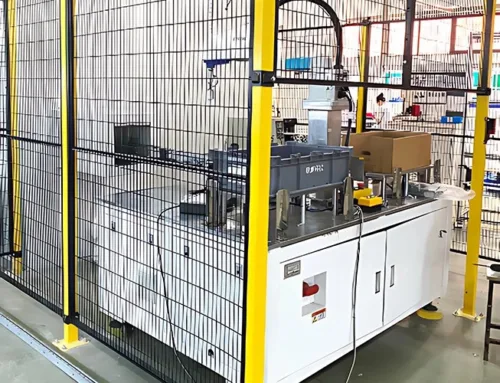
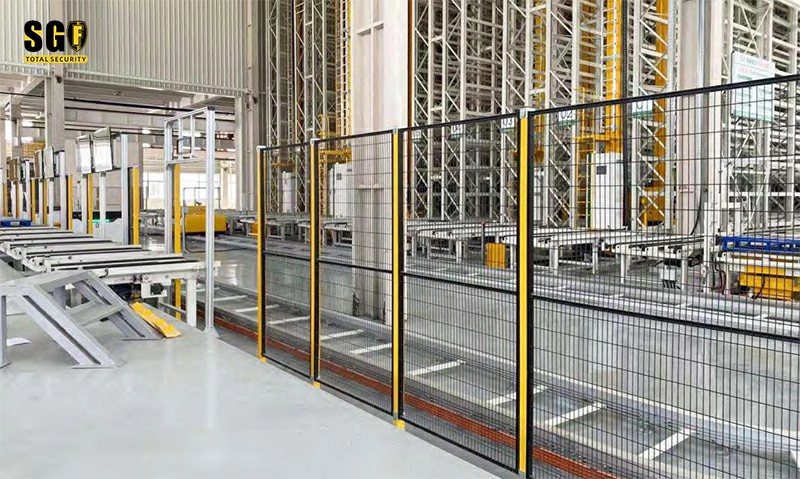
Because the panel structure and aperture are engineered for guarding, the fence can be installed legally much closer to the danger source than a coarse generic barrier. That proximity is the real business value: it reduces dead space around the machine and returns floor area to production, staging, and maintenance access. The result is not just compliance. It is a denser, more profitable machine layout.
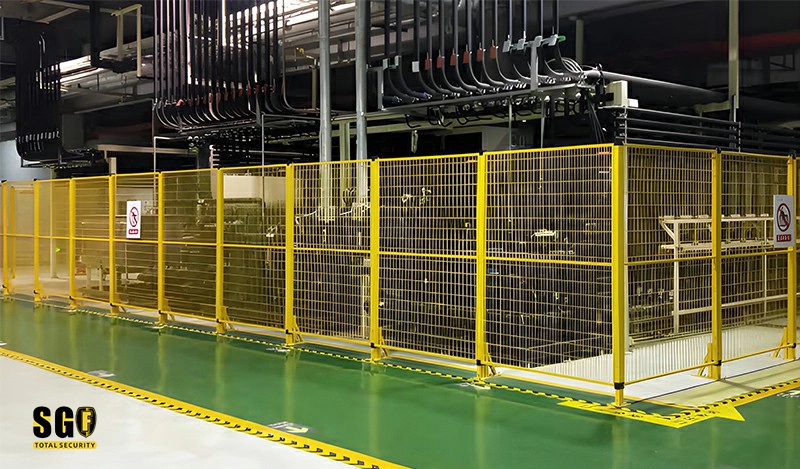
Where this setup works best
- Large plasma cutting cells that throw hot chips and metal fragments across the work envelope
- Milling and machining lines that need a tight, compliant boundary without wasting aisle depth
- Factories trying to recover usable floor space while keeping operators outside the hazard zone
- Retrofit projects where the fence must fit existing equipment and still support a cleaner layout
For these environments, machine guarding fence panels are a layout tool as much as a safety product. They help define the working cell around the actual debris risk, keep the hazard zone compact, and leave more space for logistics and output.
What to specify before you order
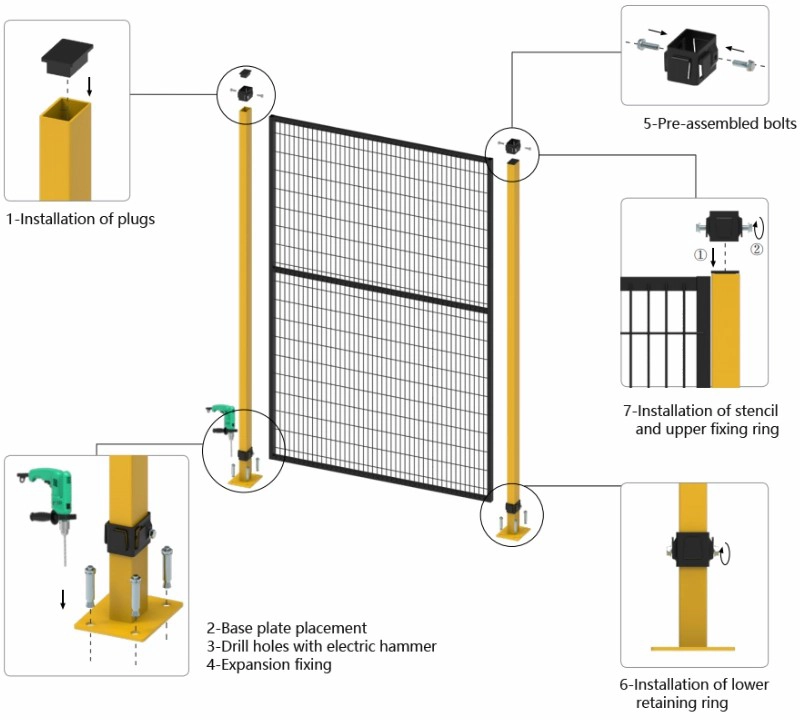
Start with the machine type, the debris direction, the target installation distance, and the available floor plan. Then match the panel height, run length, gate position, and fixing method to the cell. With the right inputs, the 20x100mm narrow mesh and 20x30mm welded frame can be deployed as a compact guarding system instead of a generic fence line.
Recover space without weakening the barrier
If your current perimeter forces the fence too far from the machine, the layout is likely paying for unnecessary dead space. Use machine guarding fence panels to contain flying debris, keep the barrier tight, and bring more of the factory back into productive use.