EN
EN  DE
DE  RU
RU  PT
PT  JA
JA  ES
ES  IT
IT Machine guarding safety fence
Machine guarding safety fence for heavy scrap flyout and collision risk
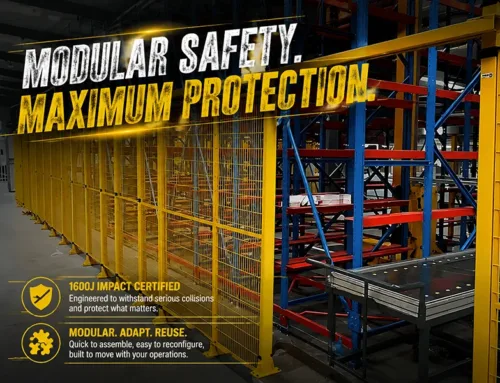
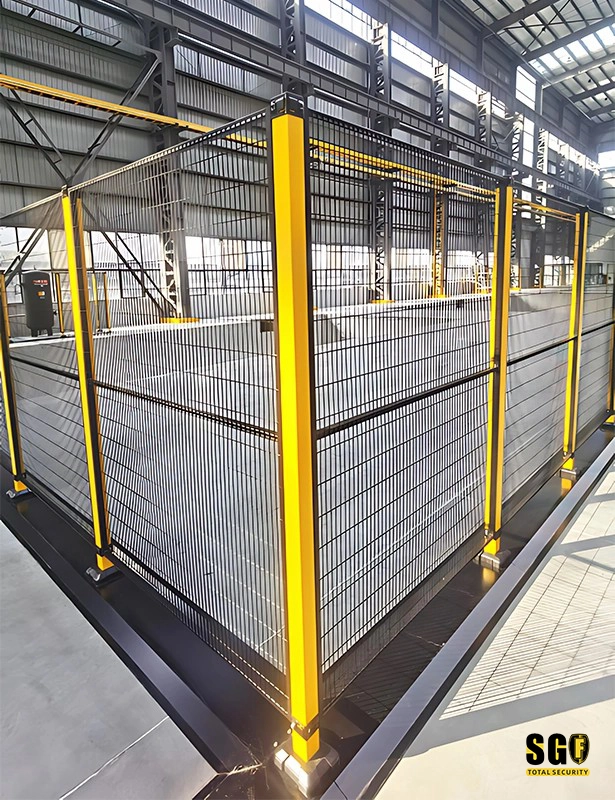
When scrap shredding and car dismantling lines sit next to forklifts, loaders, and transfer carts, the weak point is usually the fence line. Light panels bend, open up, or fail at the posts. Mdfence is built for that zone: a machine guarding safety fence with 60x60mm Q235 steel posts, TÜV safety certification, 1600 J impact resistance, and a 20x100mm micro mesh that helps stop flying debris and finger access.
Why this fence fits heavy scrap and collision zones
The real problem is not just fragments. It is repeated impact. In scrap recycling and vehicle dismantling, the fence often takes a hit before the machine does. Once a lightweight barrier starts to deform, the opening gets bigger and the risk rises fast. Mdfence uses a heavy-duty frame and a tighter mesh profile so the barrier stays in place when the line is busy, messy, and hard to control.
| Requirement | Mdfence support detail |
|---|---|
| Heavy impact at the perimeter | 60x60mm Q235 carbon steel posts and a TÜV-tested structure rated to 1600 J impact energy. |
| Flying metal fragments | 20x100mm micro mesh helps block scrap splash and keeps openings tight around the work cell. |
| Forklift and equipment bumps | The frame is built for collision-prone zones where repeated side hits are part of daily operation. |
| Loose access points | The tighter mesh profile reduces hand access and helps protect operators near crushing and transfer equipment. |
| Stable mounting | Base plate and anchor details support secure installation on real factory floors, not showroom concrete. |
Structure details that make the difference
Impact-resistant frame for collision-prone lines
In a scrap yard or dismantling hall, the fence has to survive more than one type of hit. The main frame uses Q235 carbon steel, and the 60x60mm post format gives the barrier the stiffness needed for repeated contact from handling equipment. The 1600 J rating matters because it tells you the fence was designed for real abuse, not only for marking a boundary.
Micro mesh that helps stop splash and reach-through
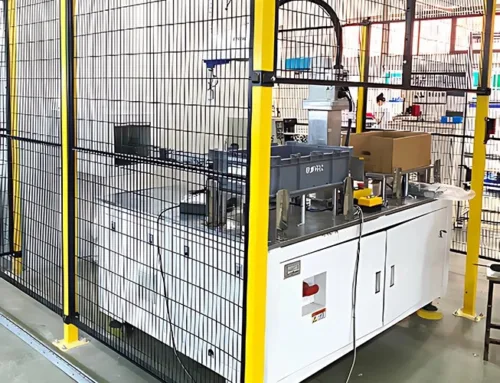
The 20x100mm mesh opening is narrow enough to act against flying scrap while still keeping visibility for operators and supervisors. That balance matters in recycling lines. You need to see the process, but you do not want loose pieces moving through the opening or hands reaching into the danger area.

Anchored installation and panel layout
Impact resistance only works when the fence is fixed correctly. The post-and-panel layout, fixing clamps, base plates, drilling points, and expansion bolts all matter. The installation diagram shows that the structure is meant to be anchored, aligned, and kept rigid across the full line length. That is the part many light systems miss.

Where it belongs
- Scrap shredding perimeters where metal chunks can bounce out of the process zone.
- Car dismantling lines with forklifts moving in and out of the same aisle.
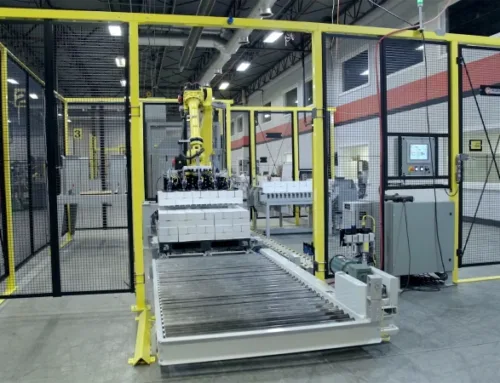
- Transfer and sorting points where handlers need a rigid boundary around the machine.
- Crusher-side zones where flyout control matters as much as access control.
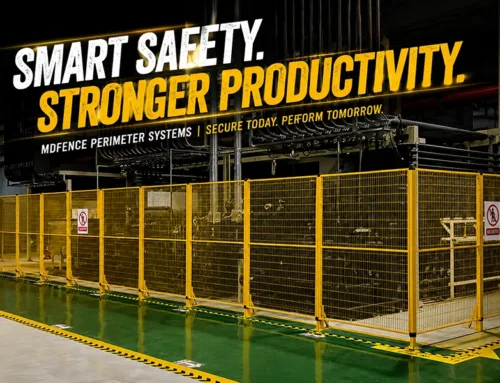
For these sites, the fence is not a visual accessory. It is part of the risk control plan. The value comes from the combination of a heavy steel frame, a tight mesh opening, and a mounting system that stays fixed under load.
What to confirm before specifying the fence
Start with the impact risk, then check the opening size, post section, and the anchor plan. If the line sees forklift movement or frequent debris launch, the 1600 J frame rating and the 20x100mm micro mesh are the first two numbers to verify. After that, check the mounting floor and gate positions so the final layout matches the way the line really runs.
Build a safer perimeter around the line
If your current fence bends when scrap hits it, or if a light barrier cannot handle equipment contact, Mdfence gives you a heavier structure to work with. Send the site layout, line width, and the main collision points, and we will help you map the guarding sections.