EN
EN  DE
DE  RU
RU  PT
PT  JA
JA  ES
ES  IT
IT Machine guards create a safer working environment

Preventing injuries and accidents
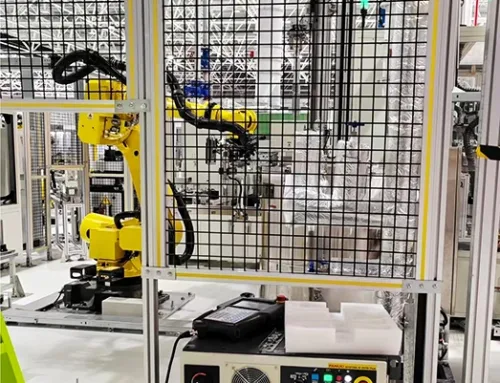
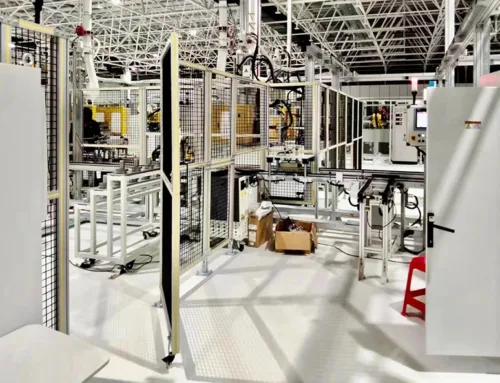
Machine guards act as a physical barrier to protect workers from moving parts, rotating machinery, and other dangerous components. They are designed to prevent materials from accidental contact, entanglement, or ejection, thereby reducing the risk of serious injury or even death. By providing a protective barrier, machine guards minimize the possibility of accidents caused by human error or equipment failure.
Restricted access to hazardous areas
There are certain areas in industrial environments where risks are inherent, such as equipment maintenance areas or areas where machinery is operated. Machine guards help to limit access to these hazardous areas by ensuring that only authorized personnel with the necessary training and protective equipment are allowed to enter. By preventing unauthorized access, machine guards significantly reduce the likelihood of accidents or injuries caused by people who are unfamiliar with the equipment or lack proper safety knowledge.
Compliance with safety regulations
Industrial environments are governed by strict safety regulations and standards. Machine guards play a vital role in meeting these compliance requirements. Regulators mandate the use of machine guards to reduce risk and protect workers. By implementing appropriate machine-guarding measures, organizations demonstrate their commitment to creating a safe working environment and avoiding potential legal consequences or penalties.
Promoting a culture of safety
Machine guards not only protect workers physically, they also help to foster a culture of safety awareness within the organization. When employees witness the implementation and enforcement of safety measures such as machine guarding, the importance of following safety protocols is emphasized. This, in turn, encourages a mindset of vigilance and responsibility, allowing individuals to actively prioritize safety in their daily work practices.
Conclusion
In an industrial environment, the safety of workers is of paramount importance. Protecting workers from potential injury and preventing access to hazardous areas are key aspects of maintaining a safe working environment. Machine guards help to enhance the safety of industrial environments. Preventing injuries and accidents, limiting access to hazardous areas, complying with safety regulations, and promoting a culture of safety play a vital role in minimizing risk and creating a safer workplace.
Food & Pharma Machine Guarding: Modular Aluminum Frame for Cleanable Safety Fencing
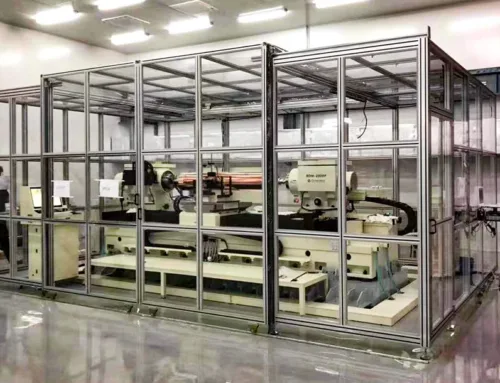
Food, beverage, pharmaceutical, and cleanroom facilities need machine guarding that resists corrosion, avoids rust-flake contamination, and can be cleaned without slowing production. Alfence uses a modular aluminum frame with corrosion-resistant aluminum alloy and powder-coated protection for indoor perimeter guarding.
Aluminum extrusion fence for hygienic food and pharma machine guarding
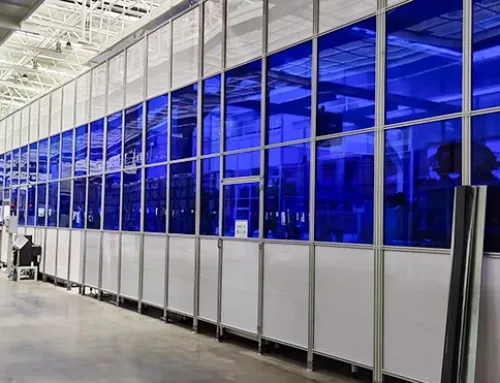
Food, beverage, pharmaceutical, and cleanroom operations need machine guarding that resists corrosion and remains practical to clean. This guide explains how Alfence Aluminum extrusion fence combines aluminum alloy profiles, a 185 °C powder-coat cure, modular panels, and configurable access for suitable indoor hygienic production areas.
Equipment Isolation Fence for Phased Automated Warehouse Expansion | Alfence
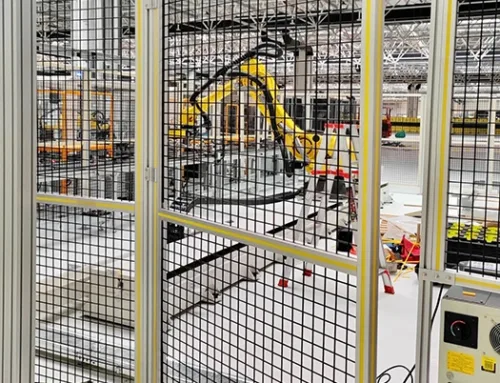
For phased automated warehouse projects, an equipment isolation fence must expand with ASRS zones, AGV paths, conveyors, and throughput. Alfence uses bolt-free modular posts, panels, doors, and connectors so the perimeter can be extended or reconfigured without scrapping the first phase.