EN
EN  DE
DE  RU
RU  PT
PT  JA
JA  ES
ES  IT
IT What is the classification of machine guards?
Machine guards are physical barriers, devices, or shields that are installed on machines to protect operators and other personnel from injury, damage, or interference from machine components. Machine guards can be classified in different ways depending on the nature of the hazard, the type of machine, and the level of protection required. In this article, we will discuss some of the common types of machine guards.

-
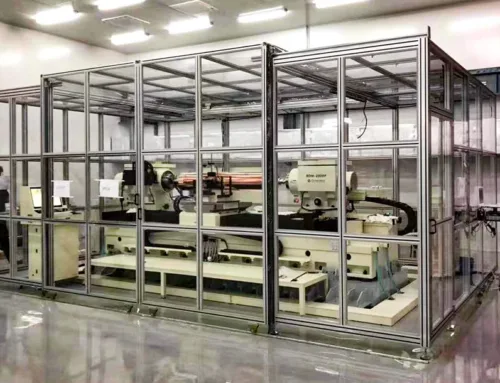
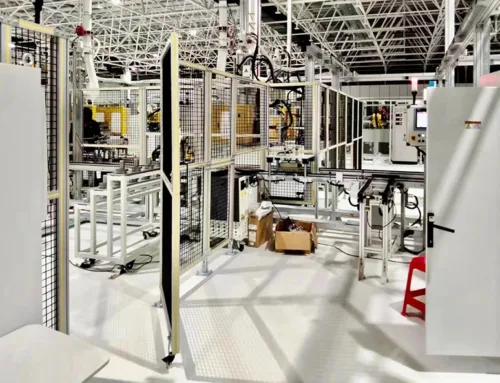
- Fixed guards are permanent barriers that are securely mounted on the machine or its frame to prevent access to the hazardous areas of the machine. Fixed guards are often used in situations where the hazard is constantly present, and access to the hazard area is not required during normal operation. Examples of fixed guards include fences, walls, and enclosures.
- Interlocked guards are designed to prevent access to the hazardous area of the machine when the machine is in operation. Interlocked guards use electrical, mechanical, or pneumatic devices to prevent the guard from being opened when the machine is in operation. This type of guard is often used on machines that require frequent access to the hazardous area.
- Adjustable guards are designed to be moved or adjusted to accommodate different sizes of workpieces or to allow access to different parts of the machine. Adjustable guards are often used on machines that require frequent changes in tooling or workpiece size.
- Self-adjusting guards Self-adjusting guards are designed to move or adjust automatically to accommodate different sizes of workpieces or to allow access to different parts of the machine. Self-adjusting guards are often used on machines that require frequent changes in tooling or workpiece size, and where it is not practical to use adjustable guards.
- Pullback guards are designed to move away from the point of operation when the machine is in operation. Pullback guards use a spring or other mechanism to pull the guard back from the hazard area. Pullback guards are often used on machines with rotating or reciprocating parts.
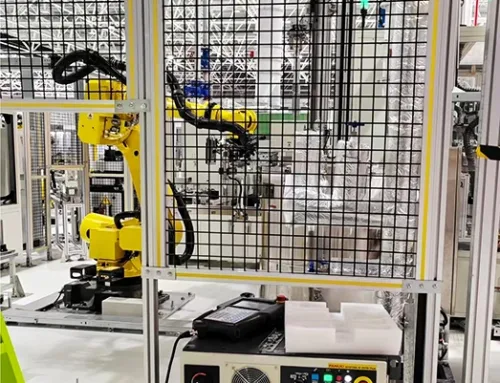
- Barrier guards are designed to prevent access to the hazardous area of the machine by creating a physical barrier between the operator and the hazard. Barrier guards are often used on machines with moving parts, such as conveyors and assembly lines.
- Two-hand controls Two-hand controls require the operator to use both hands to activate the machine. This type of guard is often used on machines that require manual feeding or where the operator needs to be in close proximity to the machine during operation.
- Presence-sensing devices use sensors to detect the presence of an operator in the hazardous area of the machine. If the sensor detects the operator’s presence, the machine will stop or slow down to prevent injury. Presence-sensing devices are often used on machines with automatic feeding or where the operator needs to be in close proximity to the machine during operation.
In conclusion, machine guards are essential for ensuring the safety of operators and other personnel who work with or around machines. The choice of the appropriate type of machine guard will depend on the nature of the hazard, the type of machine, and the level of protection required. By selecting the appropriate machine guard, employers can reduce the risk of accidents and injuries in the workplace, and ensure the safety of their employees.
Food & Pharma Machine Guarding: Modular Aluminum Frame for Cleanable Safety Fencing
Food, beverage, pharmaceutical, and cleanroom facilities need machine guarding that resists corrosion, avoids rust-flake contamination, and can be cleaned without slowing production. Alfence uses a modular aluminum frame with corrosion-resistant aluminum alloy and powder-coated protection for indoor perimeter guarding.
Aluminum extrusion fence for hygienic food and pharma machine guarding
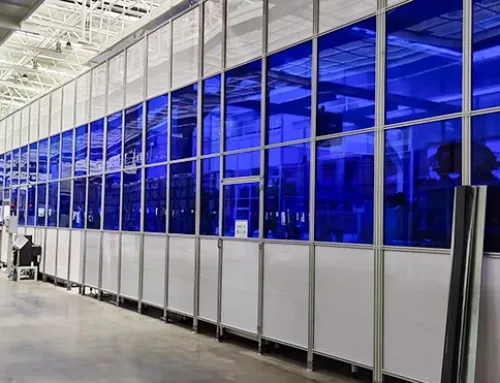
Food, beverage, pharmaceutical, and cleanroom operations need machine guarding that resists corrosion and remains practical to clean. This guide explains how Alfence Aluminum extrusion fence combines aluminum alloy profiles, a 185 °C powder-coat cure, modular panels, and configurable access for suitable indoor hygienic production areas.
Equipment Isolation Fence for Phased Automated Warehouse Expansion | Alfence
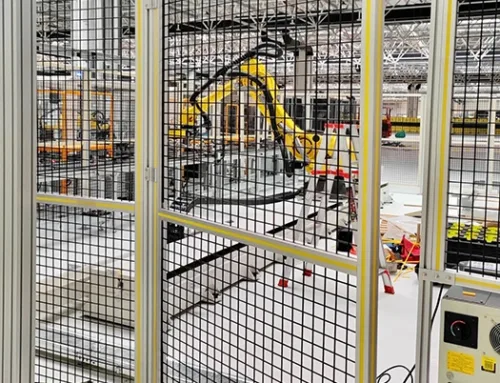
For phased automated warehouse projects, an equipment isolation fence must expand with ASRS zones, AGV paths, conveyors, and throughput. Alfence uses bolt-free modular posts, panels, doors, and connectors so the perimeter can be extended or reconfigured without scrapping the first phase.