PT
PT  EN
EN  DE
DE  RU
RU  JA
JA  ES
ES  IT
IT

|
When a 5,000 lbs forklift nudges your robot cell perimeter, or a high-speed CNC machining center ejects a heavy workpiece, the difference between a near-miss and a catastrophic 48-hour line shutdown lies entirely in your floor anchors. For system integrators deploying automated production lines, treating anchorage as an afterthought guarantees misaligned safety interlocks, nuisance E-stops, and plummeting OEE (Overall Equipment Effectiveness). |
The Hidden Vulnerability in Cerca de Segurança para Robôs: Floor Anchorage
The Pain (Before): You spend weeks programming PLC logic and integrating Omron D4NL or Pizzato interlocks for a new high-speed mechanical assembly machine. However, the physical barrier is mounted using flimsy T-slot aluminum L-brackets and undersized concrete drop-in anchors. Within three months, the constant vibration from the stamping press or the occasional bump from a material handling AGV loosens the T-slot nuts. The posts begin to lean.
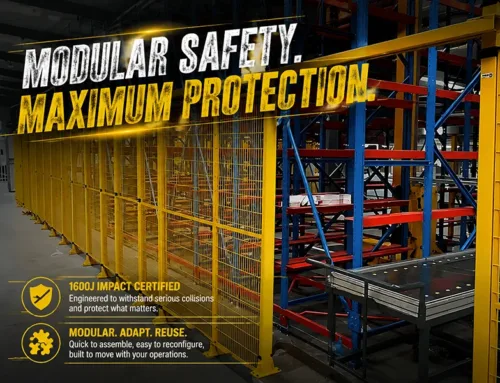
The Logic (Why it works): The Mdfence system engineers the weak link out of the equation. Our standard 60x60mm (2.4″ x 2.4″) Q235 carbon steel posts feature a fully welded transverse “ear” style base plate. Instead of relying on friction, we utilize four M10 x 70mm (approx. 3/8″ x 2.75″) wedge expansion bolts drilled directly into the concrete slab. This mechanical anchoring converts up to 1600 Joules (~1180 ft-lbs) of kinetic energy into shear and pull-out forces that the industrial concrete floor can actually absorb, preventing the post from snapping or tipping.

The Benefit (After): The Cerca de Segurança Industrial acts as a true crash barrier. When an impact occurs, the Q235 steel undergoes plastic deformation (bending) rather than brittle fracture, and the anchors hold fast. Your MTTR (Mean Time To Repair) drops to zero for minor bumps, keeping the automation line running without triggering false safety circuit trips.
Safety Guarding Fence Floor Anchor Types for Automation
Selecting the right anchor type is critical for passing ISO 14120 compliance audits in automotive welding stations and CNC layouts.
| Anchor Type | Mechanism & Application | Best For |
| Wedge Expansion Bolts (Standard) | M10x70mm bolts expand a steel wedge against the concrete wall as torque is applied. Provides immediate load-bearing capacity. | Standard Sistemas de Proteção de Máquinas, robotics layouts, and general perimeter protection. |
| Chemical/Epoxy Anchors | Uses a two-part resin to bond a threaded rod to the concrete. Distributes stress evenly along the hole. | High-vibration zones (e.g., near heavy stamping presses) or thin/cracked concrete slabs where expansion forces might spall the floor. |
| Through-Bolts | Bolts pass entirely through a mezzanine or elevated steel platform, secured with nuts and heavy washers underneath. | Elevated automated material handling areas or catwalks above the main production floor. |
Anchorage Alignment and Door System Integrity
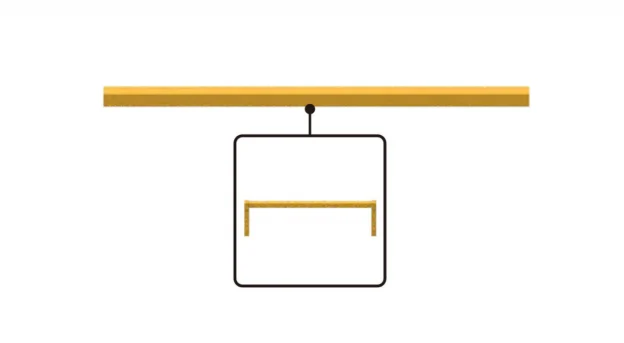
In turnkey automation solutions, the physical barrier is the carrier for your safety logic. If a floor anchor shifts by just 2 millimeters, a 10-foot wide sliding door at the top will deviate by inches.

When the door sags, the mechanical actuator key fails to enter the safety interlock switch perfectly. The PLC registers a fault (Safety Torque Off – STO), and the robotic cell refuses to restart after a routine tool change. By utilizing rigid M10 expansion bolts combined with our top door frame beams, the Mdfence system ensures the vertical posts remain perfectly plumb. The heavy-duty bearing rails on our sliding doors glide smoothly, ensuring your safety switches align precisely every single time.
Installation Best Practices for Proteção Perimetral Industrial
System integrators cannot afford to halt an active production line for hot work permits. Traditional welded fences require grinding, welding, and touch-up painting on-site, contaminating CNC coolant tanks with abrasive dust.
The Mdfence anchorage system is a 100% cold assembly process. A technician uses a 14mm masonry bit to drill the concrete, drops in the M10x70mm wedge bolt, and torques it down. Once anchored, we deploy two-piece plastic post base protective covers. These covers completely encapsulate the anchor bolts, preventing workers’ boots from snagging on exposed threads during material loading, while also protecting the steel anchors from corrosive cutting fluids and industrial solvents.

Frequently Asked Questions (FAQs)
1. What is the required concrete thickness for M10 expansion bolts in robot cell fencing?
For standard M10x70mm wedge expansion bolts, a minimum concrete slab thickness of 4 to 5 inches (100-125mm) is generally recommended to ensure maximum pull-out resistance without spalling the bottom of the slab.
2. Can we use chemical floor anchors for machine guarding in high-vibration CNC areas?
Yes. In areas with extreme high-frequency vibration (like near high-speed mechanical assembly machines or large stamping presses), chemical epoxy anchors are highly recommended as they do not rely on mechanical expansion, preventing the concrete hole from wearing out over time.
3. How do floor anchors affect the alignment of safety interlock switches?
Floor anchors dictate the plumbness of the vertical posts. If an anchor pulls loose, the post leans, causing sliding or hinged doors to sag. This misalignment prevents the actuator key from engaging the safety switch (e.g., Omron or Pizzato), triggering an E-stop condition in the PLC.
4. Do OSHA and ISO 14120 mandate specific floor anchor types?
While ISO 14120 and OSHA do not mandate a specific brand or bolt thread size, they require that the fixed guard must be securely held in place and capable of withstanding foreseeable impacts (like a 1600J force). Properly torqued expansion bolts are the industry standard to meet these compliance requirements.
5. How do post base covers improve safety in automated material handling areas?
Post base protective covers encapsulate the exposed nuts and threads of the floor anchors. This eliminates tripping hazards for operators walking near the perimeter, prevents AGV tires from catching on bolts, and seals the anchor point against corrosive industrial coolants.