EN
EN  DE
DE  RU
RU  PT
PT  JA
JA  ES
ES  IT
IT Robot Safety Fence for indoor recycling
Robot Safety Fence for Dense Scrap Sorting Centers Where Space Is Scarce
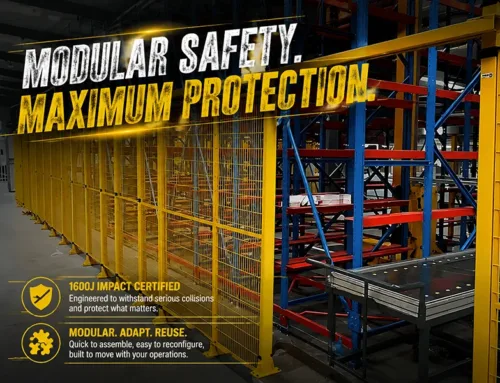
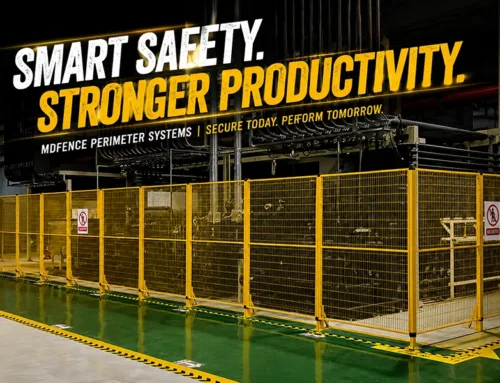
When an indoor metal recycling center has high equipment density and every bay is valuable, a Robot Safety Fence has to do more than meet the rulebook. Mdfence is built to keep the legal separation tight, preserve working area, and support a cleaner layout without giving away expensive floor space.

Why the compact Mdfence layout matters in tight plants
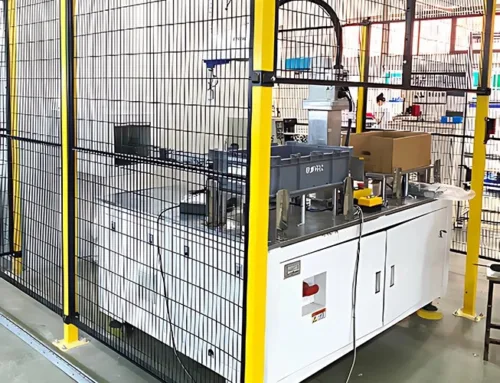
In a scrap sorting hall, the problem is not only safety. The real cost is the footprint you lose when a fence forces you to retreat too far from conveyors, stockpiles, and service aisles. Mdfence answers that problem with a 20x100mm precision mesh design that supports a legal isolation distance as low as 120mm, so the protected zone stays compliant while the usable area stays larger.
| Layout requirement | Mdfence support detail |
|---|---|
| Extremely limited plant space | Compact fence spacing keeps the safety boundary close to the equipment line instead of consuming extra storage and circulation area. |
| Dense indoor sorting and stockpiling | The precision mesh format is suited to high-density layouts where every aisle and corner must keep working value. |
| Compliance without waste | The system is designed to satisfy strict guarding needs while reducing the legal separation distance to 120mm. |
| Multi-site rollout | When the same compact logic is repeated across a 135-site network, the reclaimed space becomes a real operational gain. |
Three reasons Robot Safety Fence projects choose Mdfence
1. Precision mesh geometry protects space
The 20x100mm mesh pattern is not a cosmetic detail. It is the structural reason Mdfence can keep the guarded zone tight while still supporting a compliant barrier. That matters when the old answer would have been to pull the fence back and sacrifice valuable floor area.

2. Dense equipment layouts stay workable
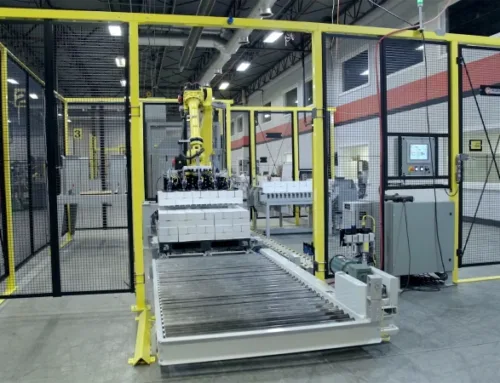
Indoor sorting centers rarely have generous corridors. Mdfence fits the reality of packed machinery, material flow, and maintenance access by holding the fence line close to the risk zone. That is how the plant keeps more room for stock, movement, and handling discipline.

3. Savings compound across a network
One fence line may look like a small optimization. Repeated across a 135-site footprint, the compact separation turns into meaningful reclaimed area for staging, routing, and storage. That is the practical business case behind a Robot Safety Fence built for tight industrial environments.

Where this compact guarding approach fits best
- Indoor metal recycling and scrap sorting centers with expensive floor space
- Dense conveyor and separation lines that need clear guarded boundaries
- Stockpile zones where fence setback would otherwise eat into storage capacity
- Multi-site industrial networks looking to standardize a tighter safety footprint
Mdfence is a fit when the old method solves safety but creates waste. Its value is not only compliance; it is compliance with a smaller footprint, better space efficiency, and a layout that can scale across multiple facilities without repeating unnecessary clearance losses.
What to confirm before specifying a Robot Safety Fence
Confirm the equipment density, the usable aisle width, the required isolation distance, and the space you can no longer afford to lose. Then specify Mdfence with the 20x100mm precision mesh approach so the guard line stays compact and the plant keeps the area it needs for real work.
Need a tighter safety boundary without losing production space?
Share your line layout, guarded zone, and available clearance. We will map the Robot Safety Fence footprint against your plant constraints and show where Mdfence can recover usable area while keeping the guarding logic clear and compliant.