RU
RU  EN
EN  DE
DE  PT
PT  JA
JA  ES
ES  IT
IT 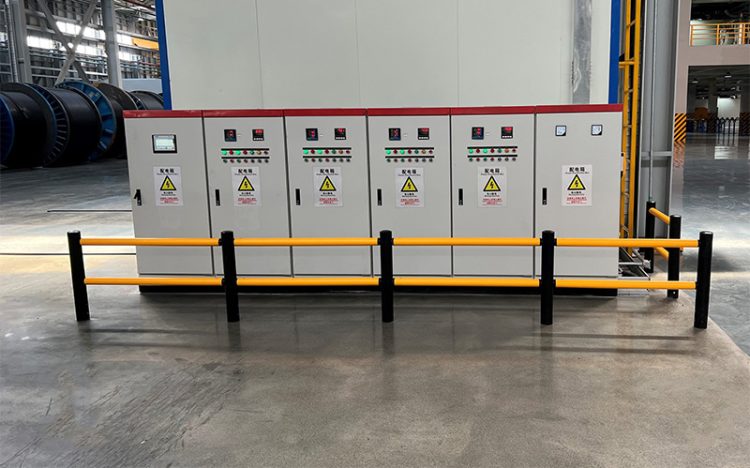
If you’re a facility or operations manager, your reality is often defined by the urgent. You are the chief problem-solver, the one who keeps the entire operation running. But the deepest frustration often comes not from big projects, but from small, repetitive problems—the “maintenance black holes” that quietly drain your budget, consume your team’s time, and never seem to truly go away.
You fix them, and they break again. It’s a cycle that can feel impossible to escape. But what if the goal wasn’t just to get better at repairs? What if you could eliminate these recurring problems permanently?
1. The Endless Cycle of Guardrail and Bollard Repair
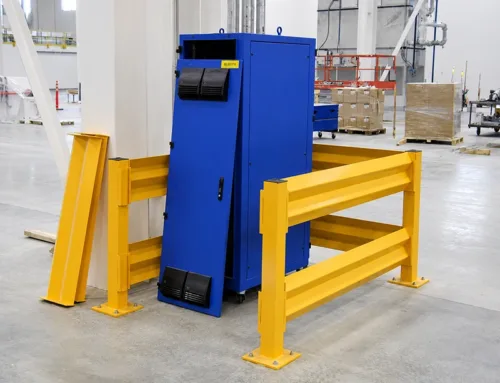
This is the classic. A forklift misjudges a turn, and the result is another twisted, paint-chipped steel guardrail. It’s ugly and kicks off the same tired process: get a quote, schedule hot work, disrupt the area, and pay an invoice, knowing it’s only a matter of time before it happens again. The real cost lies in the operational downtime, your time spent managing the repair, and the cumulative structural damage being transferred to your concrete floor with every impact.
2. The Spiderweb of Cracks in Your Concrete Floor
Cracked, spalling concrete isn’t just an aesthetic issue; it’s a major operational hazard. It creates unsafe surfaces for forklifts, leading to spilled loads and equipment damage. Repairing it is a nightmare—disruptive, expensive, and requires significant downtime. Often, these cracks are symptoms of deeper issues, like repeated impacts from rigid steel guardrails.
3. The Damaged, Energy-Wasting Dock Door
The loading dock is a zone of controlled chaos. A truck backs in too hard, or a forklift bumps a door track, and now you have a door that won’t seal properly. In a climate-controlled facility, that gap is a firehose of wasted energy, sending your heating or cooling costs soaring. The immediate repair bill is often dwarfed by months of inflated energy bills.
Получите бесплатное предложение
4. The Damaged Pallet Rack Upright
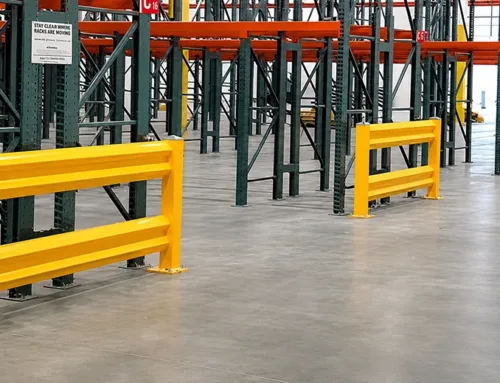
This is one of the most nerve-wracking issues. A small dent from a forklift on a rack upright can compromise the load-bearing capacity of the entire system. The required procedure is clear: unload the affected bays, get the structure inspected, and replace the component. The cost isn’t just the part; it’s the massive labor cost of unloading and reloading hundreds of pallets and the lost storage capacity during the process.
5. The Never-Ending Battle to Repaint Safety Lines
Painted floor lines are critical for compliance, but they have a short lifespan in a high-traffic warehouse. Forklift traffic and pallet scraping wear them away, meaning you’re constantly in a cycle of prepping, painting, and curing—a labor-intensive process that disrupts operations. The real cost is the recurring labor hours your team spends on this low-value task.
From Reactive Repair to Proactive Elimination
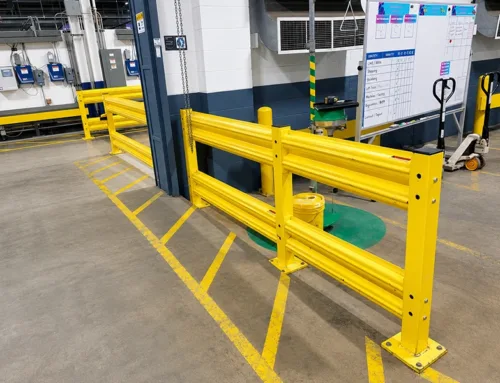
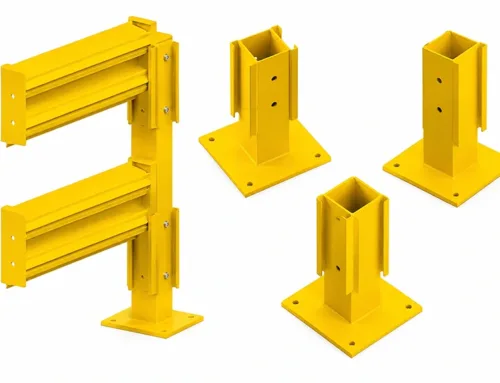
These issues are symptoms of using outdated solutions. The traditional approach is to get better at the repair cycle. A more strategic approach is to ask: “How can we engineer this problem out of existence?” This is where modern material science offers a permanent fix. Advanced гибкие барьеры безопасности, engineered from energy-absorbing polymers, are designed to break this cycle. When impacted, they flex, absorb the energy, and return to their original shape.
By absorbing the impact, the barrier eliminates the need for constant repair (Problem #1). By preventing energy transfer to the floor, it preserves your concrete (Problem #2). When strategically placed, it can act as the first line of defense for your pallet racking (Problem #4). By making one strategic investment in гибкие барьеры безопасности, you don’t just solve one problem. You eliminate the root cause of several of your most persistent maintenance headaches.