RU
RU  EN
EN  DE
DE  PT
PT  JA
JA  ES
ES  IT
IT 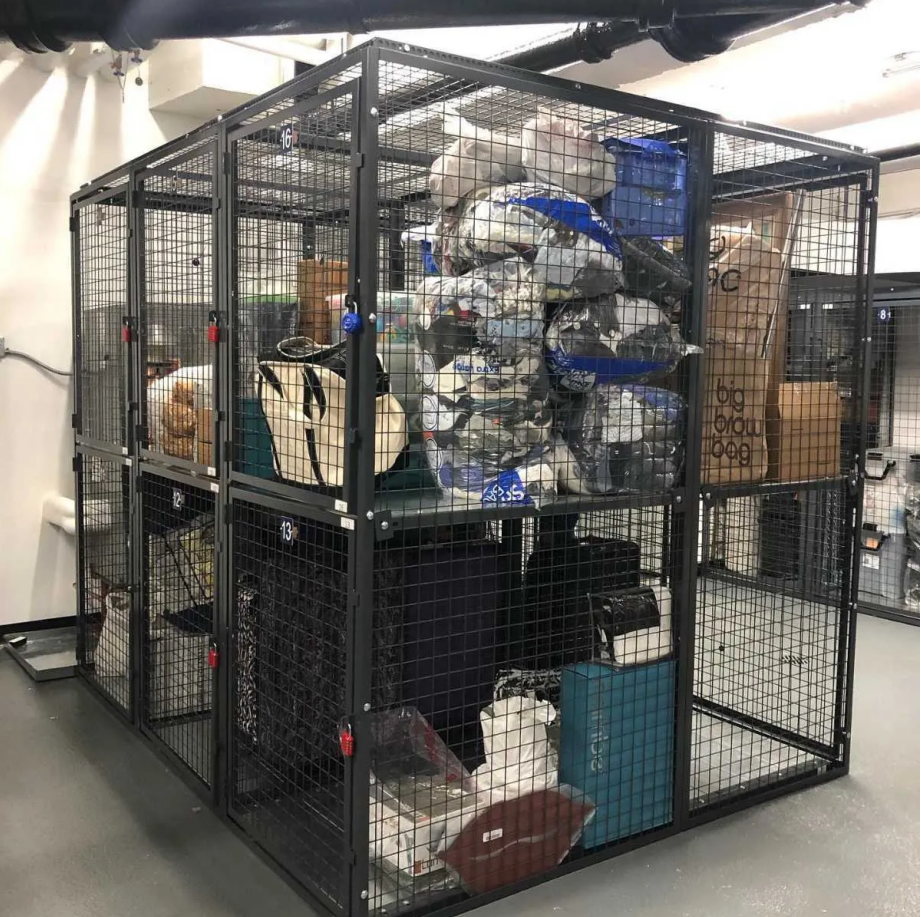
You’ve decided to add tenant storage. You’ve earmarked the space, you’ve secured the budget, and now you’re evaluating solutions. When it comes to security, the conversation often begins and ends with a single question: “Does it have a good lock?”
Это естественная отправная точка, но концентрироваться только на замке - все равно что судить о безопасности банковского хранилища по марке замочной скважины. Настоящая безопасность - это не отдельные элементы, это целая философия. Это многоуровневая система, где каждый компонент работает вместе, чтобы сдерживать, обнаруживать и защищать. Для управляющего недвижимостью понимание этих слоев крайне важно - не только для защиты вещей ваших арендаторов, но и для защиты вашей собственности от ответственности и укрепления ее репутации.
Давайте выйдем за рамки замка и разберемся, что на самом деле означает “настоящая безопасность” в контексте общей области хранения.
Уровень 1: целостность самого корпуса
Система безопасности сильна лишь настолько, насколько сильно ее самое слабое звено. Непробиваемый замок на хлипкой двери - это чистой воды театр безопасности. Первый уровень защиты - это структурная целостность стен и двери блока.
Многие менеджеры изначально рассматривают возможность строительства стандартных комнат из гипсокартона. Они кажутся солидными и уединенными. Однако с точки зрения безопасности гипсокартонная стена - это не более чем визуальный барьер. С помощью обычного хозяйственного ножа или небольшой ручной пилы решительный злоумышленник может спокойно и быстро разрезать лист гипсокартона, минуя запертую дверь.
Тот же принцип применим к двери и ее коробке. Чаще всего тяжелая дверь крепится короткими шурупами к раме из мягкой древесины. Хорошо поставленный удар ногой или простая выколотка часто могут разрушить весь дверной узел за считанные секунды. Настоящая безопасность требует, чтобы дверь, петли и рама представляли собой единую систему, часто со стальными компонентами, которые невозможно легко расколоть или разорвать на части.
Слой 2: Устойчивость материала к взлому
Once you have a solid enclosure, the next question is about the material itself. Can it be easily defeated?
When people hear “storage cage,” they often picture basic chain-link fencing. This is one of the most common security mistakes. A standard chain-link fence can be snipped open in under a minute with a $20 pair of bolt cutters from any hardware store. It offers minimal resistance.
A true security cage, like a robust проволочная полка для шкафчика, is built from a different class of material: heavy-gauge steel wire, welded at every intersection to form a rigid, unyielding grid. This design is critical. The welding means that even if a wire is cut, the grid’s integrity remains intact—it cannot be unraveled like chain-link. The heavy-gauge steel is specifically engineered to resist common cutting tools. An intruder is no longer facing a simple snipping job; they are facing a difficult and noisy ordeal that requires specialized equipment. Most will simply move on to an easier target.
Слой 3: Невидимый фундамент - структурное крепление
Это деталь экспертного уровня, которую часто упускают из виду. Однажды я консультировал объект в Остине, где был установлен банк отдельно стоящих дорогостоящих шкафчиков. Злоумышленник, не сумев взломать замки, вместе с сообщником просто опрокинул всю многотонную конструкцию на лицевую сторону. От силы удара несколько дверей выскочили из рам.
The lesson is clear: a storage unit that isn’t physically attached to the building is just a heavy piece of furniture.
The final layer of physical security is anchoring the system directly to the concrete foundation of the building. This is typically done with heavy-duty expansion anchor bolts drilled into the floor. This step transforms the storage units from separate objects in the room to an integral part of the room. They cannot be tipped, moved, or leveraged. This foundational security is non-negotiable for any serious installation.
Уровень 4: окончательный сдерживающий фактор - безопасность через видимость
The first three layers are about resisting a physical attack. This fourth layer is about preventing the attack from ever being considered in the first place.
The urban planner Jane Jacobs famously wrote about the concept of “eyes on the street”—the idea that transparent, observable spaces are inherently safer because people’s natural surveillance deters negative behavior. This principle applies perfectly to your basement.
A solid-walled storage room is a “black box.” It offers perfect privacy for an intruder to work undetected. You have no idea what’s happening inside. It’s a hidden pocket of liability.
A wire mesh system, such as a проволочная полка для шкафчика, turns this on its head. It leverages the power of visibility. A potential thief knows they can be seen from across the room, by a security camera, or by a tenant simply walking by to do their laundry. The risk of being observed becomes unacceptably high. Furthermore, this transparency allows you, the manager, to conduct a full security walkthrough of dozens of units in seconds, without a key and without ever infringing on a tenant’s space. You can instantly spot irregularities or potential problems.
This transparency doesn’t compromise security; it enhances it in the most intelligent way possible.
Пересмотр стандартов безопасности
When you next evaluate a storage solution, look beyond the lock. Ask the deeper questions. How does the system resist being breached? How is it anchored to the building? And most importantly, how does its very design create an environment of deterrence?
True security is not a single feature you can buy. It’s a thoughtful strategy you implement. By understanding these layers, you can provide a storage amenity that doesn’t just offer the perception of safety, but delivers it on every level.