EN
EN  DE
DE  RU
RU  PT
PT  JA
JA  ES
ES  IT
IT safety fence industrial for machine failure containment
Safety Fence Industrial for Machine Failure Containment in Automated Machining Cells
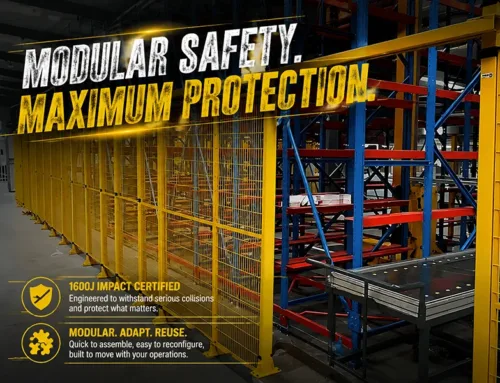
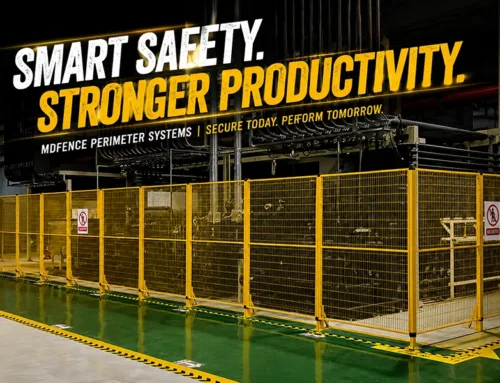
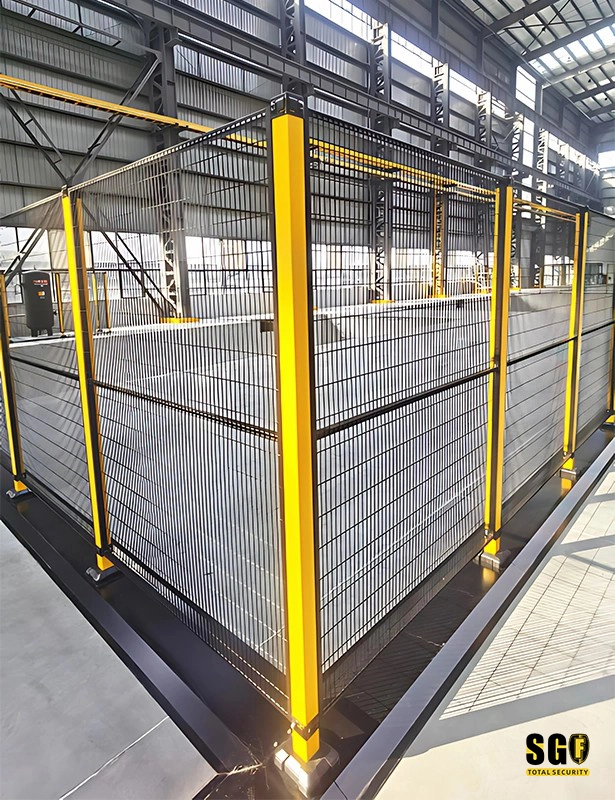
When a machining fault turns into flying debris or a dropped part, the safety fence industrial perimeter must do one job first: hold the boundary. Mdfence is built for that containment task with a rigid Q235 steel structure, reinforced 60×60 mm uprights, and a framed mesh panel system designed to keep the cell intact under severe impact.
Why the boundary fails first when the machine fails
In fault-prone automation, the real risk is not only equipment damage. The larger problem is secondary damage: a part breaks loose, a workpiece launches, or a machine body impacts the fence hard enough to open the perimeter. A light-duty guard may stay standing in normal use, but under a violent internal event it can buckle, split, or spread the impact to the walkway outside. That is exactly where the safety fence industrial spec has to outperform ordinary machine guarding.
| Key build item | What it solves |
|---|---|
| Q235 cold-rolled carbon structural steel | Provides controlled plastic deformation and energy absorption instead of brittle failure. |
| Standard 60×60 mm thickened uprights | Raises frame rigidity where collision loads hit the fence first. |
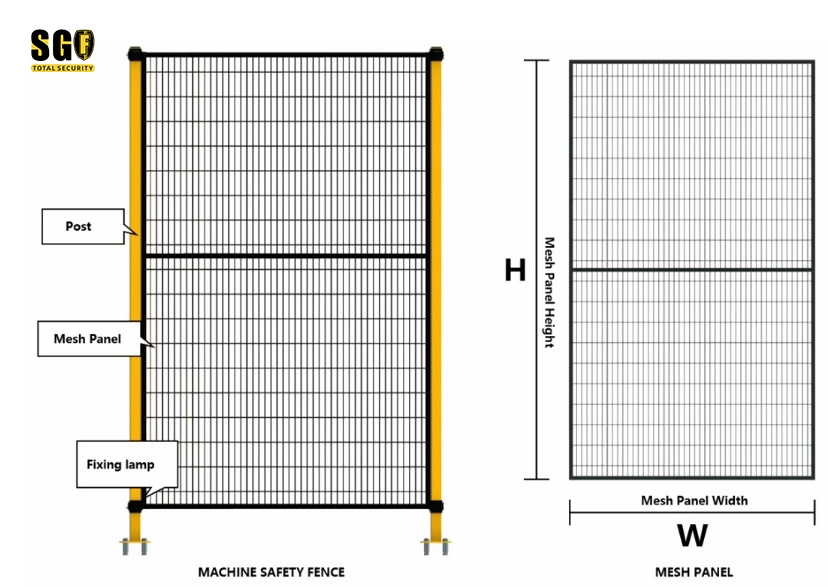
| 20x30x1.5 mm rectangular framed mesh panel | Delivers 4x+ bending stiffness versus frameless mesh panels. |
| TUV-tested to 1600 J impact energy | Supports a higher containment threshold for severe internal machine accidents. |
What makes Mdfence fit this failure-containment job
Rigid frame where the strike happens
Mdfence does not rely on a thin mesh skin to carry the load. The system uses a Q235 steel body with 60×60 mm uprights so the edge of the perimeter can take the hit and keep the cell boundary from collapsing. That matters when a machine throws its own momentum into the guard line.
Framed mesh that resists bending and spread
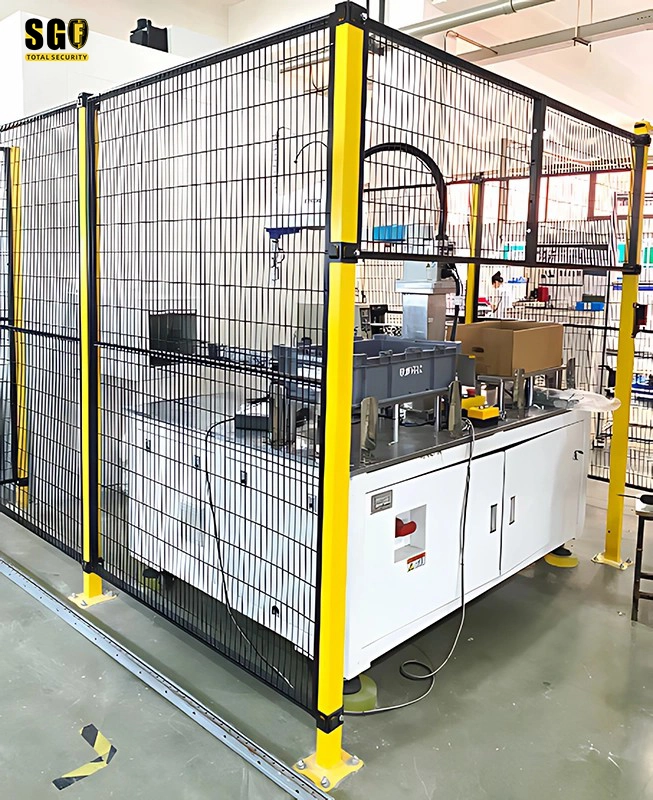
The 20x30x1.5 mm rectangular tubular border around each panel is not cosmetic. It makes the panel behave like a structural unit, lifting bending stiffness above a frameless mesh layout by more than four times. In a collision scenario, that difference helps the fence hold shape long enough to protect the outside aisle.
Impact energy absorption instead of sudden breakage
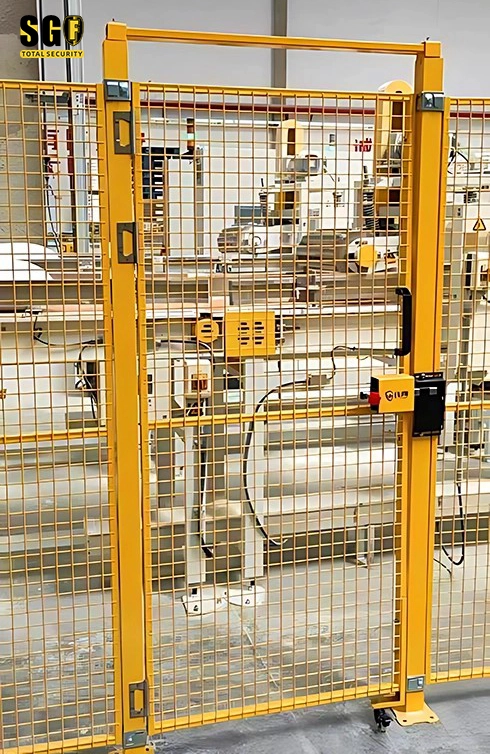
Q235 low-carbon steel is valuable here because it can deform plastically and absorb energy without snapping. Combined with the TUV-tested 1600 J impact rating, the system is designed for real heavy-industry events, not just light perimeter separation. The result is a guard that stays intact when a fault becomes a hard strike.
Where this containment logic matters most
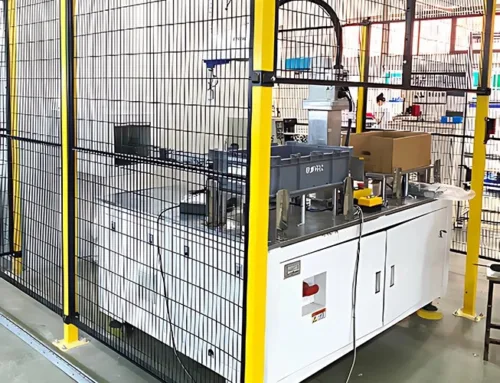
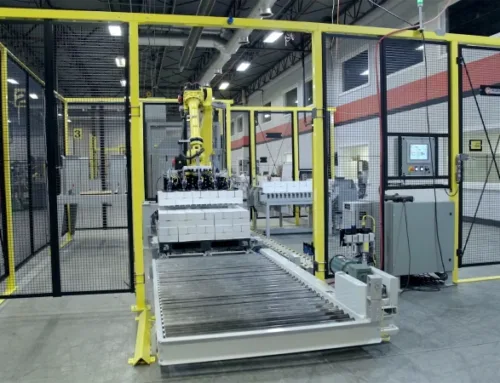
- Automated machining cells with a risk of part ejection or tool failure.
- Walkways beside production lines where personnel must stay protected outside the boundary.
- Heavy industrial areas that need a containment fence, not just a visual divider.
- Facilities that need a documented, test-backed safety fence industrial baseline for internal standards.
In these environments, the fence is not there to merely define space. It is there to keep the machine fault inside the cell, preserve the safety boundary, and reduce the chance that a single event turns into a personnel incident or line-wide shutdown.
Evidence you can specify
If you are comparing options, ask for the steel grade, upright size, panel frame size, and impact test rating. Mdfence answers those questions directly: Q235 carbon steel, 60×60 mm thickened posts, 20x30x1.5 mm framed panels, and 1600 J TUV-tested impact resistance.
Contain the failure before it reaches the aisle
When an automated machine fails, the safety fence industrial perimeter must remain the last stable line between the cell and the people outside it. Mdfence is built to take the hit, absorb the energy, and keep the boundary standing.