EN
EN  DE
DE  RU
RU  PT
PT  JA
JA  ES
ES  IT
IT Woodworking, pallet nailing, and cutting lines throw wood chips and broken nails into the aisle. When the mesh is too open, the fence has to sit far away from the machine, and that safety distance eats floor space fast.
safety fencing machine guarding
Safety fencing machine guarding
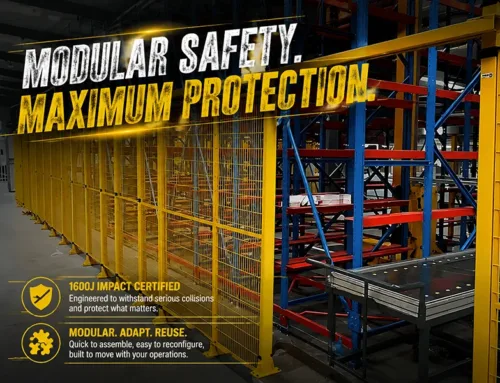
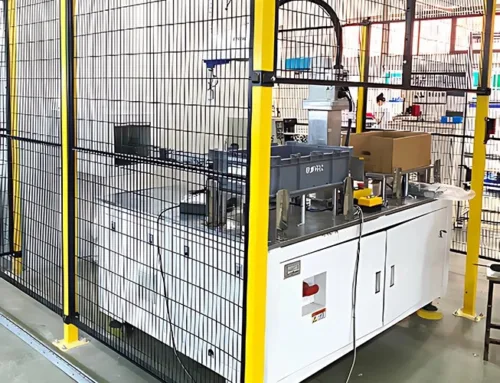
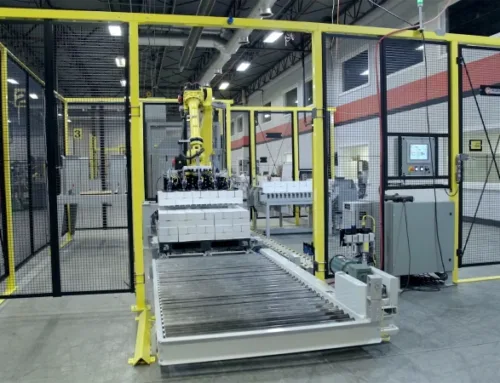
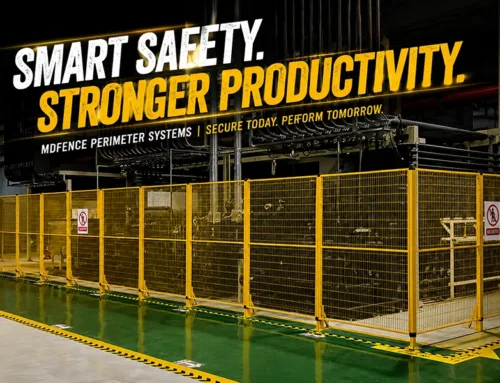
Mdfence is designed for high-splash machine guarding in pallet processing and wood equipment zones. Its 20x100mm narrow-slot mesh helps block fast-moving wood debris and broken nails, while the anti-fingertip test supports a legal safety distance reduced to 120mm. That means more usable production and storage area, less wasted buffer space, and a cleaner compliance story for North American facilities.

Why the old approach wastes space
| Guarding issue | Open mesh forces a larger offset around the machine. |
|---|---|
| Typical hazard | Wood chips, sawdust, and broken nails flying from nailing and cutting equipment. |
| Mdfence mesh | 20x100mm narrow-slot design for tighter particle interception. |
| Safety distance | 120mm after anti-fingertip testing, helping reduce dead zone footprint. |
| Primary result | More usable plant area for production, staging, and warehouse flow. |
Three reasons Mdfence fits wood processing environments
01. Narrow-slot mesh for flying debris control

The 20x100mm aperture is sized for the reality of pallet nailing and cutting lines: small enough to intercept common debris paths without turning the guard zone into a wide, wasted perimeter.
02. Tested to support a shorter legal offset

Anti-fingertip performance matters because it changes the layout. A smaller compliant distance gives engineers room to place the fence close to the hazard, instead of pushing it deep into valuable floor area.
03. Better plant utilization for North American facilities

For a Reston plant or any similar North American site, the real benefit is not just protection. It is the reclaimed space for production lanes, packaging, pallet storage, and material movement.
Where this guarding setup makes the most sense
- Pallet nailing machines with heavy wood chip ejection.
- Cutting equipment that throws fragments toward operators and aisles.
- Wood processing lines that need OSHA-aligned machine guarding with tighter spacing.
- Plants that want to reduce the size of the safety zone without weakening protection.
What to specify before you plan the fence line
Before you order, define the machine footprint, the debris path, the entry points, and the amount of floor area you can reclaim. With Mdfence, those inputs translate into a practical guarding layout built around a 20x100mm mesh and a 120mm safety distance target.
Safety first, without giving away your floor space
If your wood processing line needs stronger containment for chips and broken nails, Mdfence gives you a tighter guarding envelope and a more efficient plant layout.