EN
EN  DE
DE  RU
RU  PT
PT  JA
JA  ES
ES  IT
IT Safety Guarding Fence Retrofit
Safety Guarding Fence for Explosive Scrap Dismantling Lines
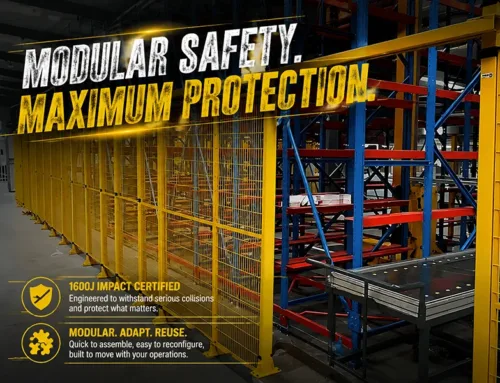
When a dismantling line handles residual fuel, used oil, and metal dust, the wrong fence detail can turn a normal retrofit into a fire-risk job. Mdfence keeps the changeover in cold work only: no welding, no cutting, no drilling, fast assembly, and a reconfigurable layout that avoids downtime-heavy rebuilds.

Why this safety guarding fence fits high-fire-risk retrofit sites
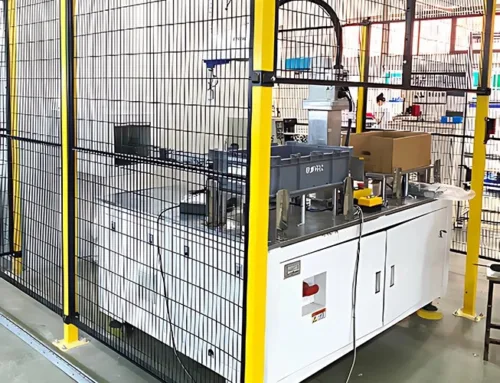
On explosive scrap dismantling lines, the problem is not only enclosure strength. The real issue is how to modify the line without introducing ignition sources. Mdfence uses an installation method built for cold work, so the fence can be assembled on site without hot work permits, while the modular format supports later changes instead of forcing a full tear-out.
| Site requirement | Mdfence response |
|---|---|
| Residual fuel, oil, and dust raise fire risk | Cold-work installation only; no welding, no cutting, no drilling on site |
| Retrofit work must minimize shutdown time | Fast modular assembly that shortens stoppage during line changeovers |
| Old fencing often becomes scrap after upgrades | Reconfigurable system designed for disassembly and reuse |
| Frequent line layout changes increase cost | Card-lock modular connection supports repeated rebuilds with high asset reuse |
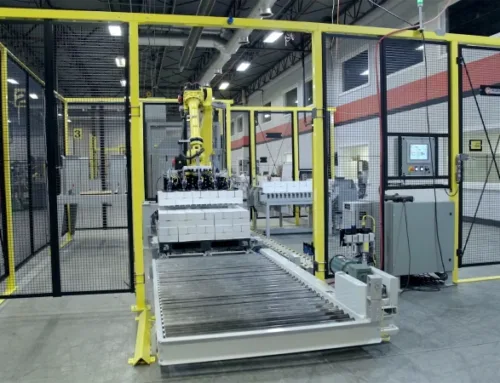
| Operators need a safer perimeter in hazardous zones | Safety guarding fence architecture keeps the retrofit process controlled and non-ignition |
Structural details that make the safety guarding fence practical
Cold-work card-lock connection
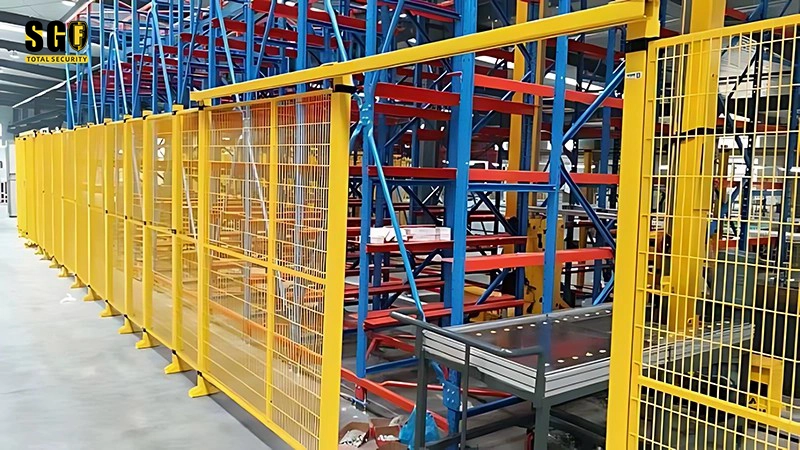
The first reason Mdfence works in a hazardous dismantling area is simple: the system is built for non-hot-work installation. That means the fence can be installed and adjusted without welding sparks, cutting flames, or drilling dust at the workface. For a scrap line with leftover fuel and oil, that directly reduces the ignition risk during the retrofit itself.
Fast modular line changeover
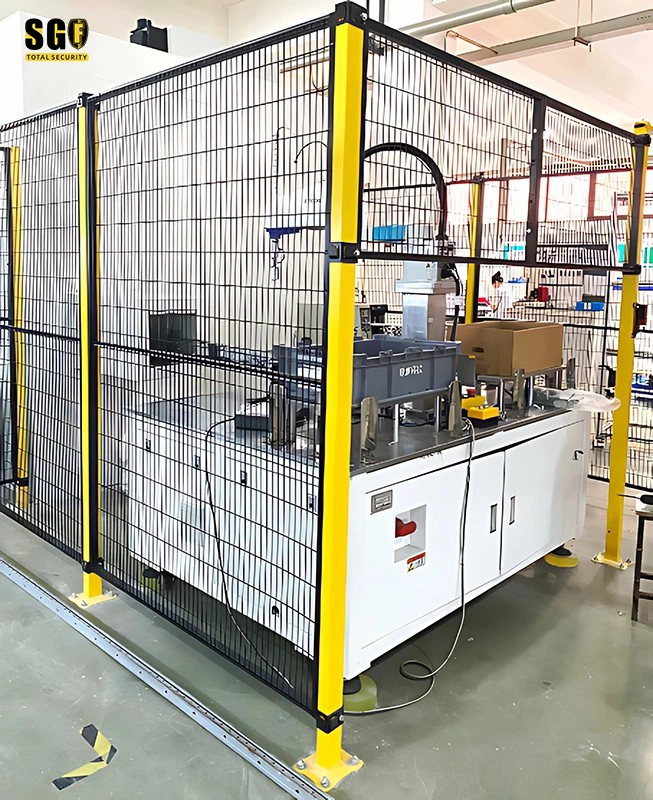
When the production layout changes, the fence should adapt with it. Mdfence is built so panels can be rejoined and repositioned without turning the previous investment into waste. That is the key difference between a one-time enclosure and a fence system that can follow plant upgrades over time.
Reusable frame layout for long-term cost control
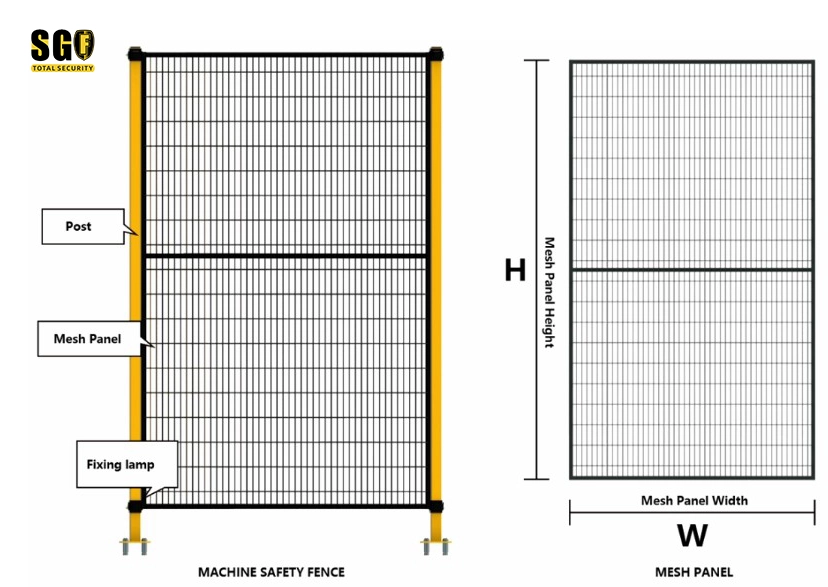
Many traditional fences are designed as disposable steelwork: once the line changes, they are cut apart and sold as scrap. Mdfence takes the opposite approach. Its reconfigurable frame layout supports repeated teardown and rebuild cycles, so the same assets can stay in service through multiple plant revisions and help push reuse above 95%.
Where this safety guarding fence is a strong fit
- End-of-life vehicle dismantling lines with residual fuel, oil, and mixed debris
- Metal dust zones where ignition risk makes hot work a poor retrofit choice
- Plants that rework line layout often and need reusable guarding assets instead of one-way scrap
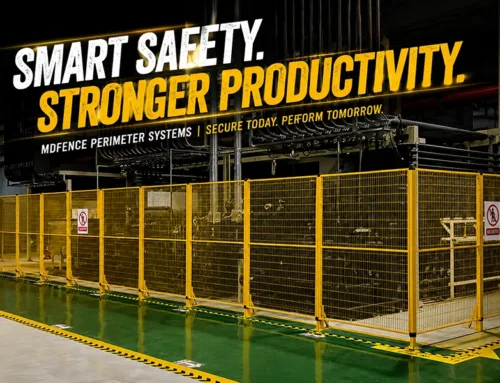
For these sites, the value is not just a safer perimeter. The value is that the protection system itself can be installed cold, moved fast, and reused later, so the plant gets the guarding it needs without paying a downtime penalty every time the layout changes.
What to confirm before specifying a retrofit
Before you order a safety guarding fence for a fire-risk dismantling area, confirm the line change scope, the number of future layout revisions, and whether on-site hot work is allowed at all. If the answer is no, Mdfence is built for that constraint: cold assembly, quick reconfiguration, and a reuse-first structure that protects both safety and capex.
Plan the retrofit without welding, cutting, or wasted fencing
If your dismantling line sits in a high-fire-risk zone, the safest upgrade is the one that never introduces flame in the first place. Talk to Mdfence about a cold-work safety guarding fence layout that reduces downtime now and keeps the same hardware useful after the next line revision.