EN
EN  DE
DE  RU
RU  PT
PT  JA
JA  ES
ES  IT
IT 
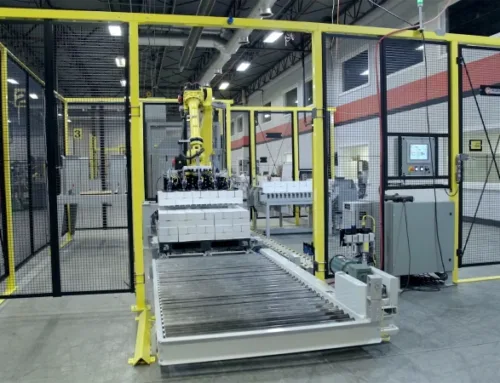
Walk onto the floor of any plant upgrading to Industrial Automation Systems right now. Look at the new robotic cells. The Custom Assembly Line Equipment is bolted down. Then, look at the safety barriers. Plant managers spend millions on automation, then hire a local guy to weld cheap angle iron and soft wire mesh around it.

It is a complete joke.
A forklift taps that cheap fence. The frame bends. The hinge sags. Suddenly, the safety interlock switch misaligns, trips a false machine alarm, and your entire line shuts down. You lose an hour of production capacity over twenty dollars of scrap metal.
Then comes the EHS auditor. They look at the massive holes in your locally welded mesh. Because an operator can easily stick an arm through it to reach the machines, safety regulations force you to push that fence 850mm away from the hazard.
Think about that math. You lose almost a full meter of premium floor space per machine. That is dead air.

Next month, you need to tweak the layout. You freeze production. You pull hot work permits. Two guys stand out there with angle grinders, throwing sparks and metal dust right next to your expensive PLC cabinets. They cut the old fence down, throw it in the scrap bin, and leave you with zero salvage value. It is stupid, slow, and dangerous.
The Engineering Logic: Physical Constraints Over Consumables
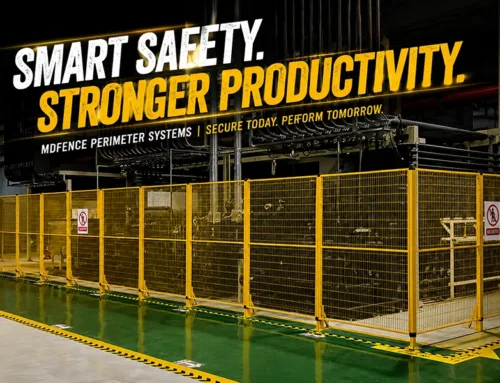
Stop treating machine boundaries like disposable hardware. You need a risk control engineering system.
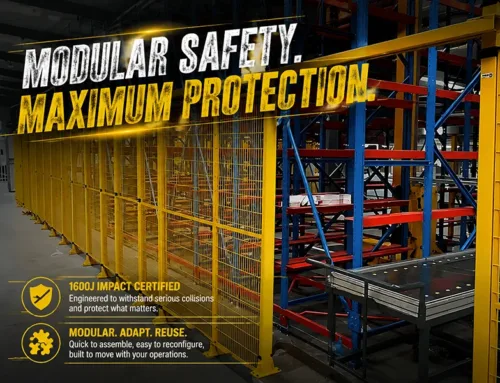
Look at modular machine guarding built on brute-force physical constraint. The skeleton relies on Q235 cold-rolled carbon steel using a 20x30x1.5mm tubular frame. It is built to absorb 1600 Joules of kinetic energy. That means it intercepts a 100kg object hitting it at 20km/h. It uses plastic deformation to push the impact energy down into the concrete. It does not snap like brittle aluminum profiles.

The Space Math: Reclaiming Your Layout
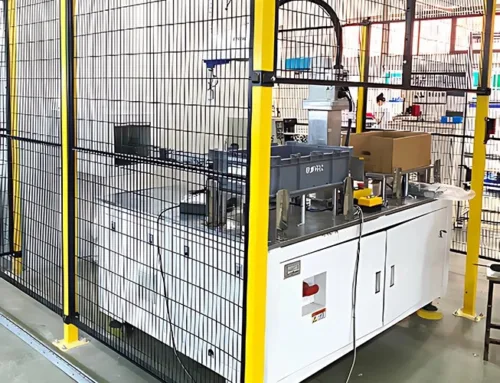
Shrink the mesh down to a 20x100mm finger-safe gap. The compliance geometry changes. Fingers cannot penetrate it.
Based on ISO 13857 calculations, you can legally drop that fence exactly 120mm from the moving hazard. You instantly kill the 850mm dead zone. You reclaim that floor space for more Custom Assembly Line Equipment or wider forklift traffic.
Future maintenance becomes cold work. No sparks. No grinders. A maintenance worker takes an Allen wrench, unbolts four M8 screws, and pulls a panel out in ten minutes. You adjust the line and clip it back in. Your asset reuse rate stays above 95%.

The Boundaries: Hard Engineering Constraints
This is not magic. Upgrading to engineered guarding comes with strict realities.
- High Upfront Cost: The initial price per meter is significantly higher than buying raw iron from a local shop. If your procurement team only buys the cheapest steel by weight, this project fails immediately.
- Strict Anchoring: You cannot bolt this into weak flooring. It requires a hard concrete base strong enough to handle M10 expansion bolts pulling on 140x140x5mm welded plates.
- Zero Destructive Modification: You cannot let workers drill random holes into the posts to mount switches. That ruins the stress tolerance and destroys the ISO 9227 anti-corrosion coating.
- Overkill Warning: If you just need to guide office staff down a safe hallway, do not buy this. Using a 1600J impact-rated system for basic crowd control wastes your budget.
FAQ: Sorting Fact from Fiction
Will this rust in humid facilities?
No. The panels use an epoxy polyester powder coating over anti-corrosion treatments, surviving strict ISO 9227 neutral salt spray tests.
Can we load heavy molds from the top?
Yes. The system supports a top-open layout structure, designed specifically for overhead crane drops.
Does the mesh block operator visibility?
No. The black mesh absorbs metallic glare, acting like a semi-transparent screen for clear visual monitoring of the line.
Stop Wasting Your Floor Space
Stop using angle grinders on your floor. If you are tired of losing space to massive safety buffers and dealing with false machine stops, engineer your boundaries correctly.
Fill out your corporate email below to download our “Factory Automation Upgrade ROI Assessment Guide.” Find out exactly how much cash your facility is losing to wasted floor space and hot work downtime.