EN
EN  DE
DE  RU
RU  PT
PT  JA
JA  ES
ES  IT
IT The Best Benefits Of Having Fall Protection Fences On Your Roof
Enhance Roof Safety with Reliable Fall Protection Fencing
Prioritizing worker safety on rooftops is paramount. Fall protection fencing provides a critical line of defense, preventing falls and minimizing risks associated with working at heights. This guide explores the importance of fall protection fencing, the different types available, and key considerations for choosing the right system for your needs.
The Importance of Roof Fall Protection
Falls from rooftops are a leading cause of workplace injuries and fatalities. Implementing comprehensive fall protection systems is not only ethically responsible but often legally required. Fall protection fencing serves as a primary safeguard, creating a physical barrier that prevents workers from reaching the roof edge.
Types of Fall Protection Fencing
Several types of fall protection fencing are available, each designed for specific applications and roof types:
Freestanding Weighted Fence: These portable systems utilize weighted bases to provide stability without penetrating the roof membrane. They are ideal for temporary applications and flat roofs.
Clamped or Fixed Fence: These systems are securely clamped or bolted to the roof structure, offering a more permanent solution for frequent roof access.
Guardrail Systems: While technically not a “fence,” guardrail systems provide similar fall protection. They consist of vertical posts and horizontal rails, creating a secure perimeter. Guardrails can be freestanding or permanently affixed to the roof.
Custom-Designed Systems: For complex roof designs or specialized needs, custom-engineered fall protection fencing can be tailored to provide optimal safety and compliance.
Choosing the Right Fall Protection Fence
Selecting the appropriate fall protection fencing requires careful consideration of several factors:
Roof Type & Slope: The roof’s slope and material will influence the type of fencing that can be safely and effectively installed. Consult with a fall protection expert to determine the best solution for your specific roof.
Height & Material: Fencing height should comply with OSHA regulations and provide adequate fall clearance. Common materials include steel, aluminum, and galvanized metal. Steel offers excellent strength and durability. Aluminum provides a lighter-weight option with good corrosion resistance.
Regulatory Compliance: Ensure your chosen fencing system meets or exceeds all relevant OSHA and local safety regulations.
Installation & Maintenance: Consider the ease of installation and ongoing maintenance requirements. Freestanding systems offer easy installation and removal, while permanently fixed systems require more involved installation but offer greater long-term stability.
Enhancing Fall Protection with Complementary Systems
Fall protection fencing can be combined with other safety measures for comprehensive protection:
Safety Net Systems: Nets installed below the roof surface provide a secondary layer of protection in the event of a fall.
Personal Fall Arrest Systems (PFAS): These systems utilize harnesses, lanyards, and anchor points to prevent falls and minimize the impact of a fall.
Warning Line Systems: Visual warnings delineate safe zones and alert workers to potential hazards.
Frequently Asked Questions
Q: Do I need fall protection on a low-slope roof? A: Yes, falls can occur even on low-slope roofs. OSHA regulations typically require fall protection for any roof edge over 6 feet.
Q: How often should fall protection fencing be inspected? A: Regular inspections are crucial. OSHA recommends inspecting fall protection systems at least annually, and more frequently if exposed to harsh conditions.
Q: Can I install fall protection fencing myself? A: While possible, professional installation is highly recommended to ensure proper setup, compliance, and worker safety.
Investing in robust fall protection fencing is a vital step in creating a safe work environment for anyone working at heights. Contact us today for expert guidance and a tailored solution to meet your specific roof safety needs. We offer a range of high-quality fall protection products and professional installation services.

Fall protection fences are an important part of keeping people safe on the roof. They can be used in combination with other safety measures such as netting or guardrails to create a complete fall protection system.
If you have a business or commercial property, it’s important to keep your employees and customers safe. One way to do this is to install fall protection nets on your roof.
There are many different types of fall protection fences on the market, so it’s important to choose one that fits your needs. You should consider the height of the fence, the type of material it is made of, and whether you want a permanent or temporary fence. Permanent fall protection fences are usually made of steel or aluminum and can be bolted or welded in place. Temporary fences are usually made of plastic or nylon and can be easily removed when not needed
There are many different types of fall protection fences, but they all work by creating a physical barrier between the edge of the roof and the ground. This barrier can be made of a variety of materials, including metal, mesh, or plastic.
When choosing the right fall protection fence for your roof, there are a few things to consider. The first is the height of the fence. You want to make sure the fence is high enough to provide adequate protection, but not so high that it interferes with the roof itself.
Next, you need to consider the material of the fence. There are several options, but steel is usually the best choice. It is strong and durable, and will not be damaged by weather or other factors.
Food & Pharma Machine Guarding: Modular Aluminum Frame for Cleanable Safety Fencing
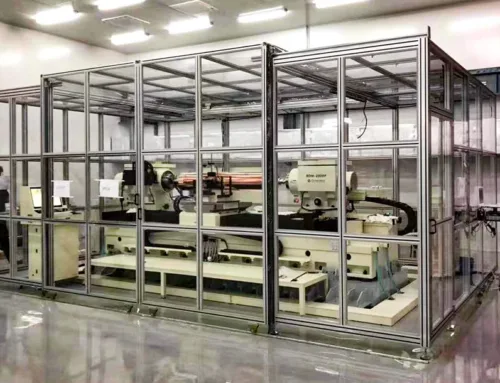
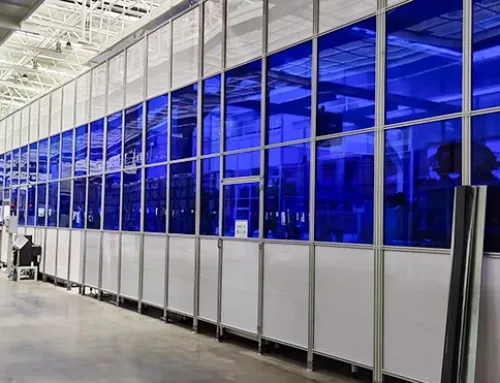
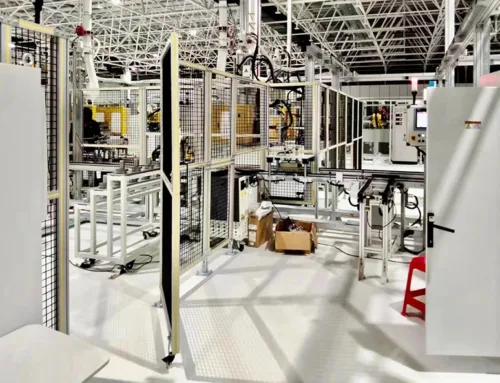
Food, beverage, pharmaceutical, and cleanroom facilities need machine guarding that resists corrosion, avoids rust-flake contamination, and can be cleaned without slowing production. Alfence uses a modular aluminum frame with corrosion-resistant aluminum alloy and powder-coated protection for indoor perimeter guarding.
Aluminum extrusion fence for hygienic food and pharma machine guarding
Food, beverage, pharmaceutical, and cleanroom operations need machine guarding that resists corrosion and remains practical to clean. This guide explains how Alfence Aluminum extrusion fence combines aluminum alloy profiles, a 185 °C powder-coat cure, modular panels, and configurable access for suitable indoor hygienic production areas.
Equipment Isolation Fence for Phased Automated Warehouse Expansion | Alfence
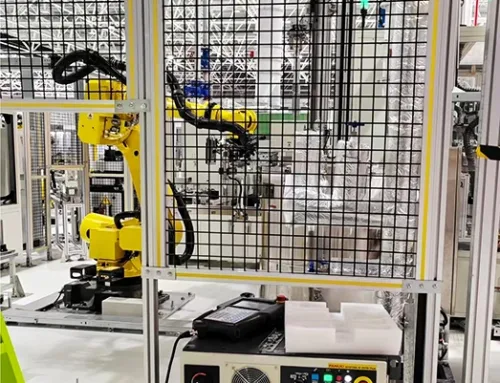
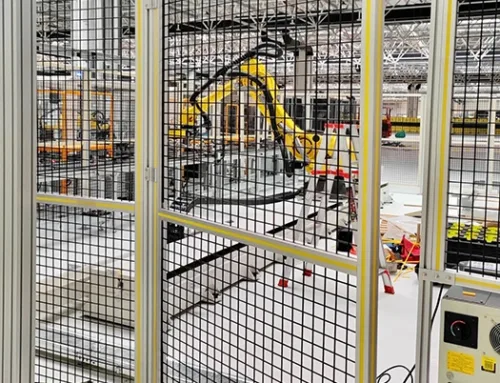
For phased automated warehouse projects, an equipment isolation fence must expand with ASRS zones, AGV paths, conveyors, and throughput. Alfence uses bolt-free modular posts, panels, doors, and connectors so the perimeter can be extended or reconfigured without scrapping the first phase.