EN
EN  DE
DE  RU
RU  PT
PT  JA
JA  ES
ES  IT
IT Profile Rack Guard : The FAQ
When it comes to security, there are a lot of moving parts. If you’re not in the security business, it can be difficult to keep track of all the different products and services that are offered. Protective barriers are one such service. But what exactly are they? How do they work? In this blog post, we’ll answer all your questions about protective barriers so you can make an informed decision about whether they’re right for you.

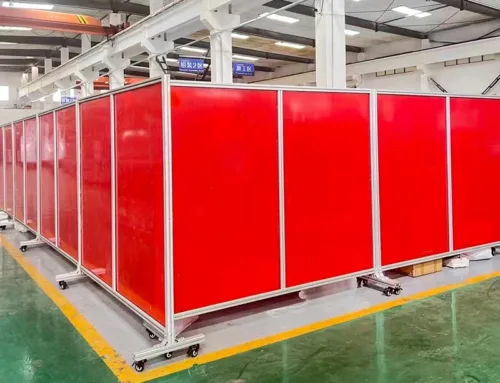
A protective barrier, also known as a security barrier, is a physical structure or device that is designed to block or prevent unauthorized access to a restricted area. Protective barriers can be found in a variety of environments, from high-security facilities such as military bases and government buildings to more mundane places such as schools and office buildings.
There are many different types of protective barriers, from simple fences and gates to complex electronic systems. The type of barrier used will depend on the level of security required and the nature of the threat. In some cases, multiple layers of security may be used, with each layer providing progressively tighter levels of protection.
A protective barrier works by creating a physical barrier between you and the person or object you are trying to protect yourself from. This physical barrier is the most common type of barrier, and this type of protective barrier can be made of a variety of materials, including wood, metal, or concrete.
There is a lot of debate around the effectiveness of protective barriers, some people believe they are an important part of keeping people safe, while others assert that they do more harm than good Are protective barriers effective? The short answer is that it depends. How the protective barrier should be used and the scenario in which it is used.
Now that we have a basic understanding of what protective barriers are and how they work, the best way to find out if they are right for you is to experiment with them.
Equipment isolation fence for robot loading cells: Alfence stops nuisance shutdowns
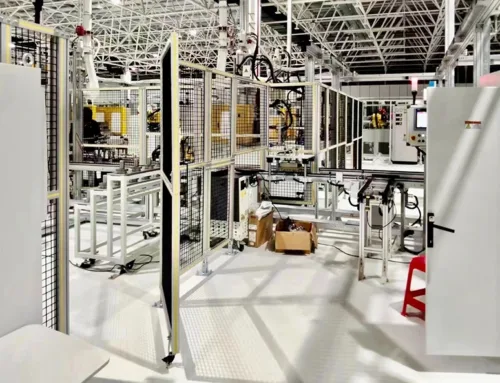
For robot loading cells, Alfence equipment isolation fence keeps sensors, interlocks, and cable routes off painted steel posts so the PLC does not trip on false door signals.
Machine Guard Fencing for Hygienic Food and Pharma Lines | Alfence
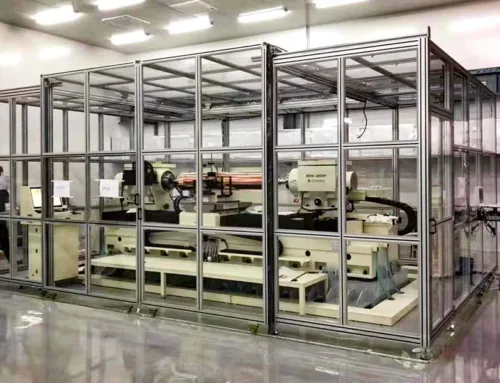
Alfence machine guard fencing uses aluminum profile safety fence construction and powder-coated corrosion protection to support hygienic food, beverage, pharma, and cleanroom layouts.
Machine Guard Fencing for Hygienic Food, Beverage, and Pharma Plants | Alfence
Alfence machine guard fencing uses aluminum profiles and powder coating to protect hygiene-sensitive lines with a cleaner, easier-to-maintain barrier.