EN
EN  DE
DE  RU
RU  PT
PT  JA
JA  ES
ES  IT
IT Safety equipment rental or purchase

Start by assessing your security equipment requirements. Assess the frequency and duration of equipment use and the specific type of equipment required. Consider the nature of your project or operation and any regulatory compliance requirements. This assessment will help determine if it is more cost-effective to rent or purchase equipment.
Cost Considerations
Compare the costs associated with leasing and purchasing security equipment. Leasing options typically involve upfront costs, periodic lease costs, and potential delivery costs. Purchasing equipment may have higher upfront costs but may prove cost-effective in the long run for frequent or long-term use. Consider factors such as equipment maintenance, storage, and depreciation when evaluating overall costs.
Equipment availability and customization
Assess the availability of the required security equipment. Certain specialized equipment or rare items may be easier to purchase than to lease. In addition, purchasing may provide more flexibility if customization or modifications are necessary. On the other hand, leasing may provide a wider selection of equipment without the need for a long-term commitment.
Quality and Safety Standards
Consider the quality and safety compliance standards of the equipment. When renting, make sure the rental company regularly maintains and inspects its equipment to meet industry standards. When buying, research reputable suppliers and manufacturers who comply with safety regulations and provide reliable products.
Flexibility and Scalability
Assess the flexibility and scalability of your security equipment needs. Leasing provides the flexibility to adjust equipment quantities based on project requirements or seasonal fluctuations. If your equipment needs remain consistent, or if you anticipate long-term use without major changes, it may be advantageous to purchase.
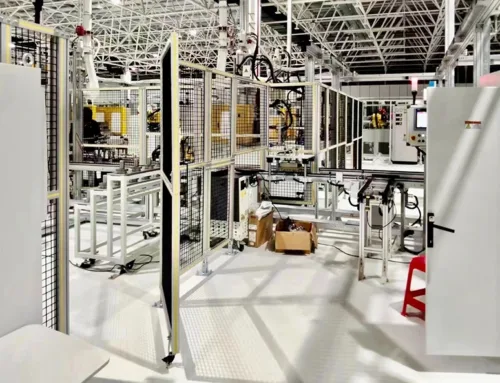
Equipment isolation fence for robot loading cells: Alfence stops nuisance shutdowns
For robot loading cells, Alfence equipment isolation fence keeps sensors, interlocks, and cable routes off painted steel posts so the PLC does not trip on false door signals.
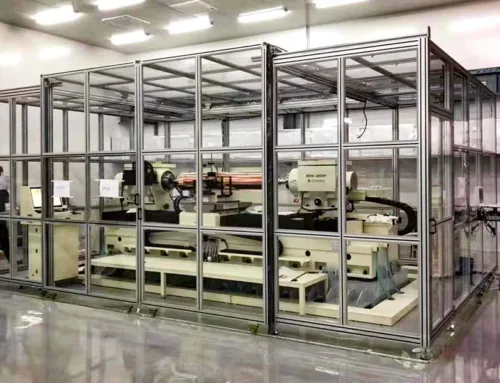
Machine Guard Fencing for Hygienic Food and Pharma Lines | Alfence
Alfence machine guard fencing uses aluminum profile safety fence construction and powder-coated corrosion protection to support hygienic food, beverage, pharma, and cleanroom layouts.
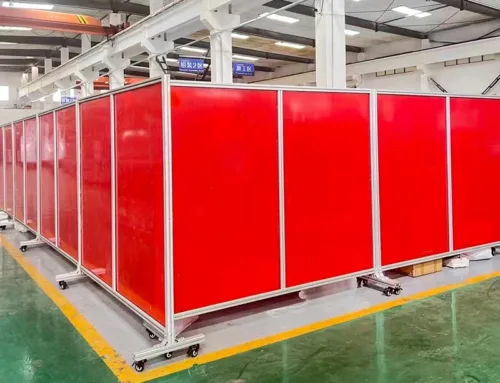
Machine Guard Fencing for Hygienic Food, Beverage, and Pharma Plants | Alfence
Alfence machine guard fencing uses aluminum profiles and powder coating to protect hygiene-sensitive lines with a cleaner, easier-to-maintain barrier.