EN
EN  DE
DE  RU
RU  PT
PT  JA
JA  ES
ES  IT
IT 
Steel Bollard
A Steel Bollard is a robust vertical post designed for traffic management and building safety. Its sturdy construction and versatility make it an ideal choice for protecting buildings, facilities, or curbs. Standard dimensions include a 114mm diameter, with customizable heights to suit various applications, such as parking lots, docks, pedestrian areas, providing reliable protection and guidance.
What is a Steel Bollard ?
A Steel Bollard is a solid, vertical post, typically constructed from high-strength carbon steel. It is designed to withstand vehicle impacts, prevent unauthorized access, and ensure the safety of buildings or areas. Steel Bollards find applications in various environments, including parking lots, roadways, sidewalks, and areas surrounding buildings.
Key Features of Steel Bollard
Durability: Constructed from high-quality carbon steel, Steel Bollards offer outstanding durability, ensuring long-term use in diverse climate conditions.
Safety: Steel Bollards play a critical role in traffic management and safety, serving to indicate traffic restrictions and pedestrian pathways.
Customizability: The size and design of Steel Bollards can be customized to meet specific requirements, catering to diverse needs.
Versatility: Suitable for multiple applications, Steel Bollards are used for traffic guidance, building protection, and safety management.
Ease of Installation: Installing Steel Bollards is straightforward. Select a suitable location, then secure the bollard to the ground using expansion bolts or concrete anchor bolts. Once installed, Steel Bollards perform their protective and guiding functions.
How to Use Steel Bollard
Installation Process:
Installing Steel Bollards is a simple process. First, choose an appropriate location and then fix the bollard to the ground using expansion bolts or concrete anchor bolts. After installation, the Steel Bollard is ready to provide protection and guidance.
Safety:
Steel Bollards are used to indicate traffic restrictions and pedestrian pathways, ensuring traffic safety and building security. Their sturdy construction and high visibility make them reliable safety devices.
Applications:
Steel Bollards find applications in various scenarios, including but not limited to:
- Traffic guidance and access restriction in parking lots.
- Protection of building entrances or specific areas.
- Guiding pedestrians on sidewalks or pedestrian zones.
- Traffic management and safety assurance in ports and docks.
Why Choose Steel Bollard – Advantages
- Steel Bollards offer robust durability, eliminating the need for frequent replacements.
- Customizability allows Steel Bollards to be tailored to specific size and design requirements for different applications.
- Made from high-quality carbon steel, they provide excellent corrosion resistance, ensuring long-term use in diverse environments.
- Steel Bollards enhance safety by indicating traffic restrictions and pathways for both vehicles and pedestrians.
- Easy installation provides flexibility, as they can be securely fixed to the ground or remain movable as needed.
When is Steel Bollard Necessary?
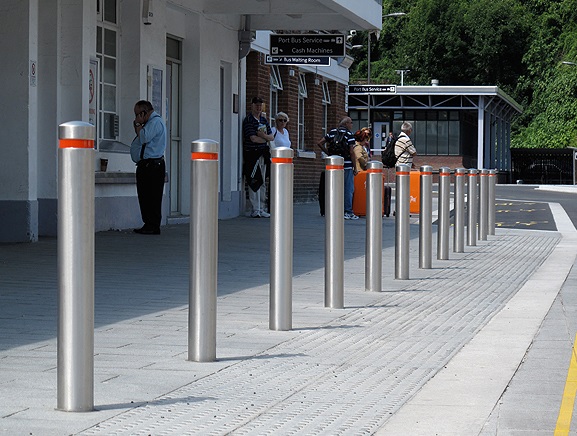
- When traffic guidance and access restrictions are required in parking lots or on roads.
- When building entrances or specific areas need protection.
- When pedestrians need guidance on sidewalks or pedestrian zones.
- Traffic management and safety are paramount in port and dock areas.
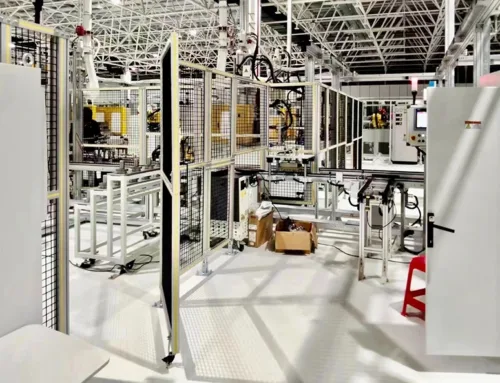
Equipment isolation fence for robot loading cells: Alfence stops nuisance shutdowns
For robot loading cells, Alfence equipment isolation fence keeps sensors, interlocks, and cable routes off painted steel posts so the PLC does not trip on false door signals.
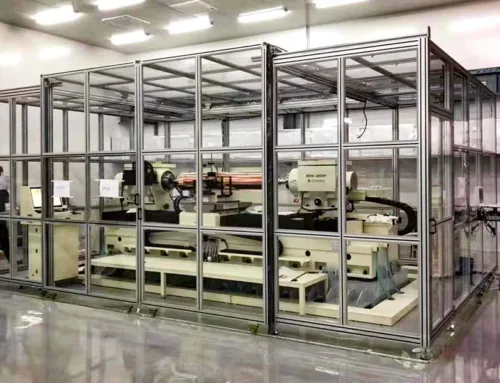
Machine Guard Fencing for Hygienic Food and Pharma Lines | Alfence
Alfence machine guard fencing uses aluminum profile safety fence construction and powder-coated corrosion protection to support hygienic food, beverage, pharma, and cleanroom layouts.
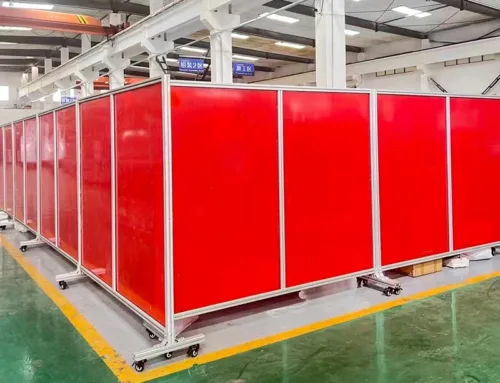
Machine Guard Fencing for Hygienic Food, Beverage, and Pharma Plants | Alfence
Alfence machine guard fencing uses aluminum profiles and powder coating to protect hygiene-sensitive lines with a cleaner, easier-to-maintain barrier.