EN
EN  DE
DE  RU
RU  PT
PT  JA
JA  ES
ES  IT
IT Machine Perimeter Guarding
Machine Perimeter Guarding for Heavy Scrap Flyout and Collision Risk
Machine Perimeter Guarding is designed for scrap recycling lines and car dismantling zones where heavy metal fragments can fly out and forklifts or transfer equipment can hit the fence. When light barriers bend, crack, or leave gaps, Mdfence keeps the perimeter closed with impact-rated steel and a fine anti-intrusion mesh.
Why this perimeter survives the real collision zone
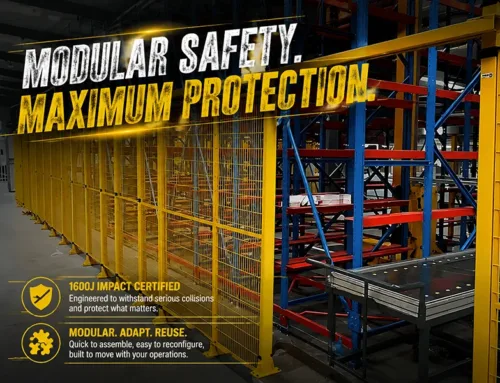
In heavy scrap processing, the fence is not a visual divider. It is the last physical barrier between broken metal, moving equipment, and people. Mdfence fits this job because the structure is built around a high-strength Q235 carbon steel frame with 60×60 mm posts, and the system is engineered to resist up to 1600 joules of impact energy. That level of resistance is relevant when the risk is not minor contact, but repeated knocks from moving material, carts, or forklifts.
| Requirement | Mdfence answer |
|---|---|
| Heavy scrap flyout control | 20×100 mm anti-intrusion mesh helps block metal fragments from escaping the working cell. |
| Forklift and transport impact | 60×60 mm uprights and a steel frame rated to 1600 J are built for hard site contact, not light-duty separation. |
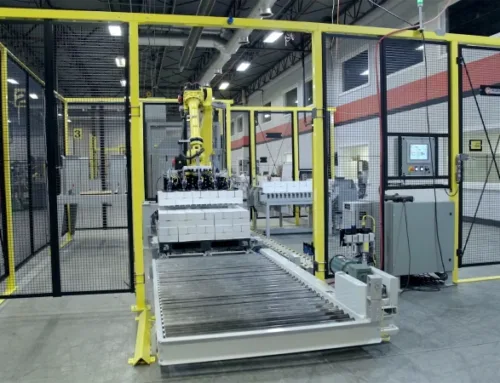
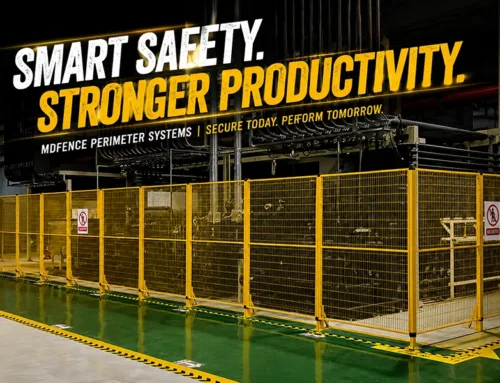
| Durable perimeter layout | The continuous modular fence line keeps the risk area enclosed around shredders, sorting lines, and dismantling stations. |
| Gap-free worker protection | Fine mesh reduces reach-through and pinch-point exposure near moving machinery and transfer equipment. |
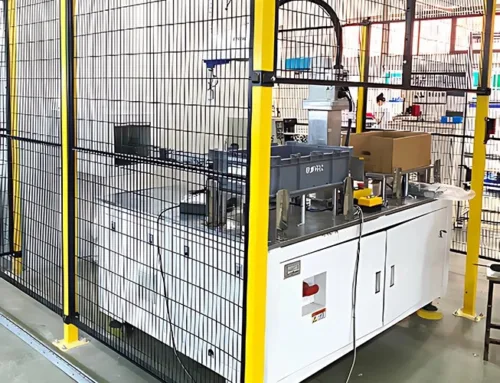
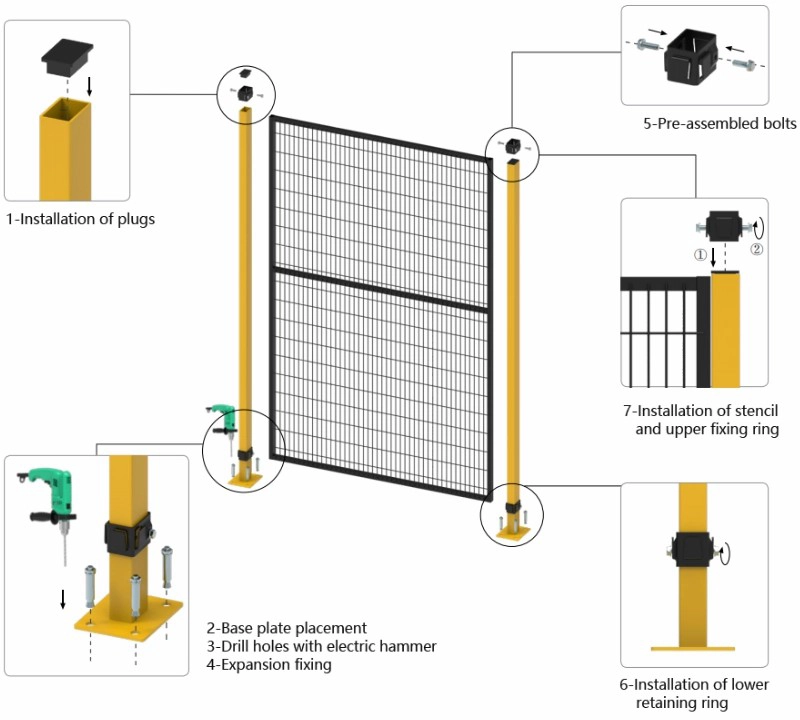
| Evidence on the page | The product photos show the installed perimeter, welded steel details, base plates, and fixing clamp structure. |
What makes Mdfence suitable for scrap and dismantling lines
Impact-rated structure for hard contact zones
Heavy scrap facilities need a fence that can absorb accidental strikes without folding open. Mdfence uses Q235 carbon structural steel and 60×60 mm posts, with a tested resistance level of 1600 J. That is the difference between a barrier that merely marks the edge and a barrier that stays in service when a metal load, pallet truck, or forklift brushes the line.
Micro mesh that blocks flyout and reach-through
The 20×100 mm mesh opening is not cosmetic. It is the control layer that helps stop flying metal pieces and reduces access to dangerous motion points. Around crushers, sorting lines, and dismantling stations, this tighter mesh is what keeps the perimeter from becoming a weak point when the process throws debris.
Installed hardware that proves the system is built for site use
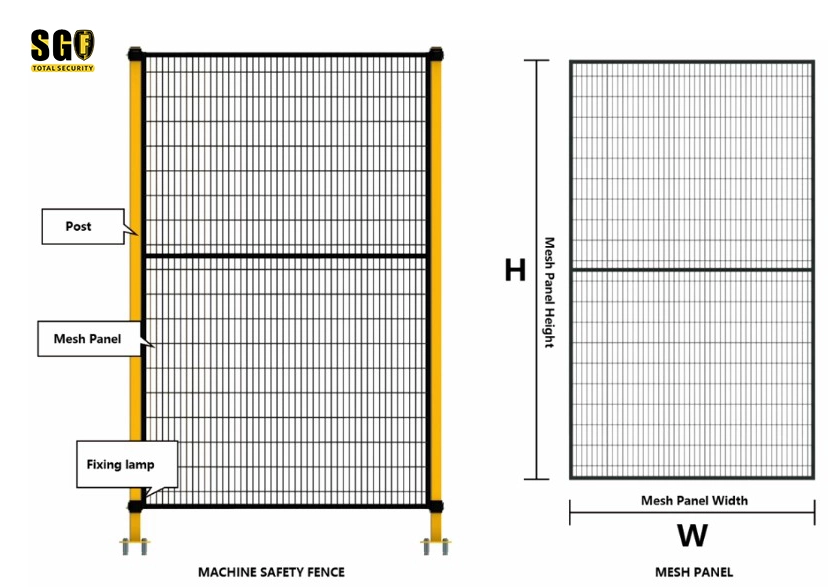
The perimeter is only as strong as the connection points. The technical view shows the post, mesh panel, and fixing clamp layout, while the product advantage board shows weld seams, coating, and base plate detail. These are the parts that matter when a machine zone must stay aligned and stable over long shifts.
Where this machine perimeter guarding fits best
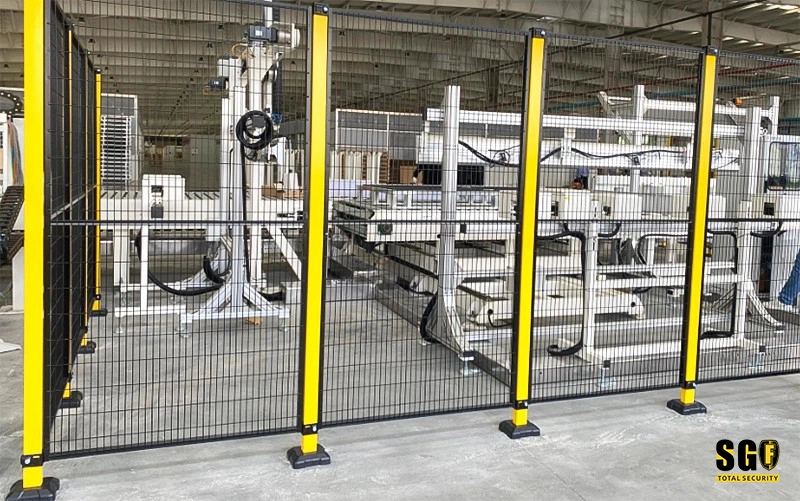
- Scrap shredding and sorting lines where heavy fragments can eject from the process.
- Vehicle dismantling bays where tools, panels, and metal blocks move under impact-heavy conditions.
- Forklift corridors beside machine cells where accidental side strikes are a real risk.
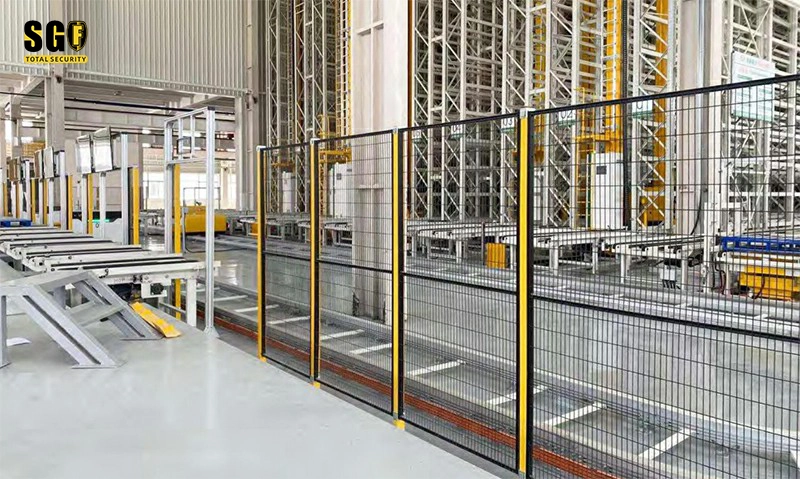
- Transfer and loading zones that need a continuous protective boundary, not a light visual fence.
Mdfence is built for these spaces because the product matches the problem directly: impact resistance for collision zones, and a fine mesh for debris control and worker separation. The result is a perimeter that supports safer operation without sacrificing visibility or layout efficiency.
What to specify before you lock the perimeter
If your line has flyout risk, impact exposure, or mixed traffic near the machine edge, specify the collision energy, the debris size, and the traffic path before choosing the fence. For this use case, Mdfence already answers the key technical questions with 1600 J impact resistance, 60×60 mm posts, and 20×100 mm anti-intrusion mesh.
Build the barrier before the next hit happens
When the site has heavy scrap, forklifts, and violent debris, the perimeter has to be engineered, not improvised. Mdfence gives you a structure that is easy to specify, easy to explain to safety teams, and strong enough to stay in place when the line gets rough.