EN
EN  DE
DE  RU
RU  PT
PT  JA
JA  ES
ES  IT
IT Machine safety fencing for fault-event containment in automated machining cells
Machine safety fencing that keeps the boundary standing when an automated machine fails
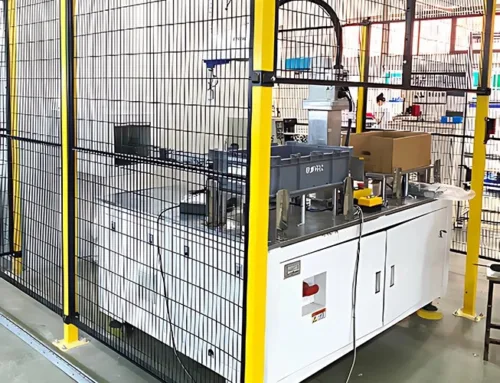
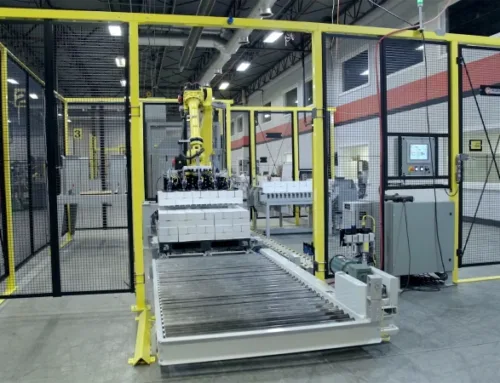
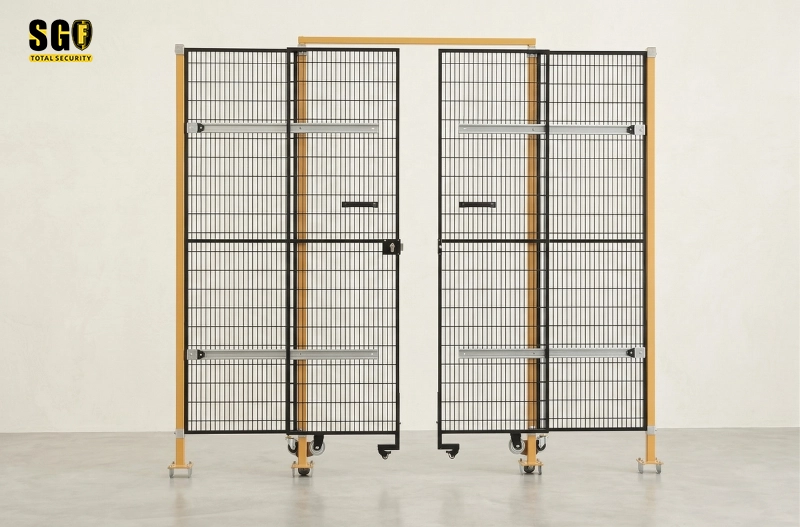
For machine rooms where a broken part, flying material, or internal collision can turn into a perimeter risk, Machine safety fencing must do more than mark a line. Mdfence is built as a framed steel system for impact containment, physical interception, and controlled access around robotic cells, CNC lines, and transfer equipment.
Why this machine safety fencing fits fault-event protection work
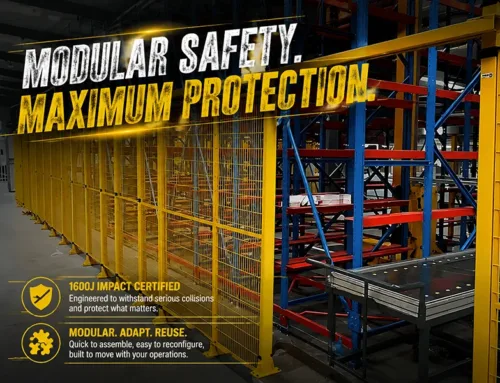
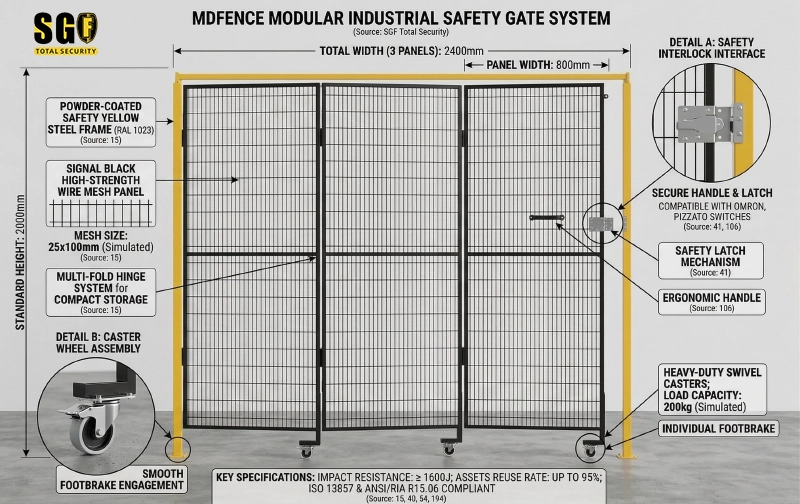
When a production machine fails, the fence is not there for decoration. It must absorb abuse, stay aligned, and keep the walkway side protected. That is why Mdfence uses Q235 cold-rolled carbon structural steel, a standard 60x60mm thickened post, and a 20x30x1.5mm rectangular framed mesh panel. The framed panel delivers far better bending stiffness than an unfamed mesh sheet, while the steel frame and post system help the enclosure keep its shape under internal impact.
| Specification | Project value |
|---|---|
| Main material | Q235 cold-rolled carbon structural steel for plastic deformation energy absorption without brittle failure |
| Standard post | 60x60mm thickened column for higher boundary rigidity |
| Panel frame | 20x30x1.5mm rectangular tube frame, over 4x the bending stiffness of an unfamed mesh panel |
| Impact rating | Passed TUV-tested 1600J ultra-high impact energy requirement |
| System role | Machine safety fencing for robots, CNC, conveyors, and automation cells |
| Field result | Protects nearby personnel by keeping the system boundary from collapsing during a fault event |
What makes the enclosure suitable for heavy industrial fault containment
1. The frame is designed to stop boundary failure first
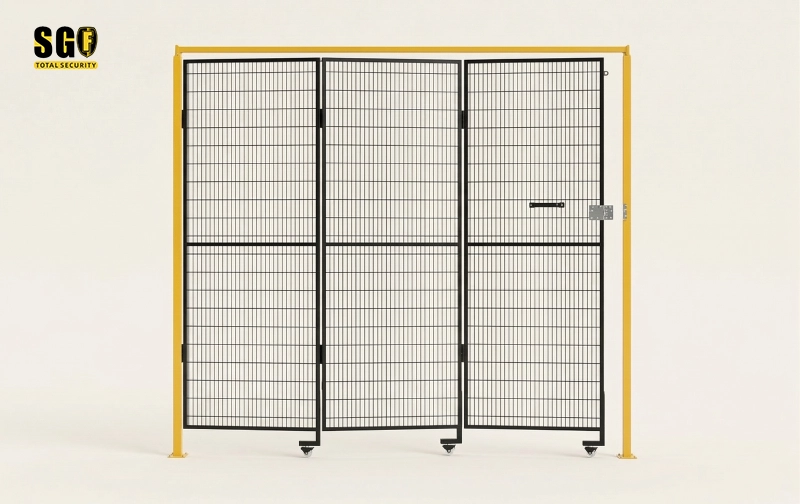
Many old barriers fail in the same way: the panel twists, the post racks, and the opening grows at the exact moment the area should remain protected. Mdfence uses a framed mesh structure rather than a loose sheet. The 20x30x1.5mm rectangular tube frame raises stiffness, which matters when the load is sudden and local, not slow and evenly distributed. In a machine safety fencing project, that extra stiffness is what keeps the line between the machine and the walkway readable after impact.
2. Q235 steel absorbs energy by deforming, not by snapping
In an accident, the best outcome is not a brittle break. The steel should yield in a controlled way and take energy into the structure. That is the role of Q235 carbon steel in this system. According to the product brief, the system is certified through European TUV testing and can withstand 1600 joules of impact energy. For a factory owner, that means the fence is built for the event you do not want to see: an internal strike that tries to push the boundary into the public aisle.
3. Installation details matter because a strong fence still has to stay fixed
Impact resistance is not only a material question. It is also a fixing question. The base plate, drilling layout, expansion bolts, and clamp connection all decide whether the field installation behaves like an engineered system or like a loose barrier. The detail image shows the weld seam, coating, and base plate evidence behind the assembly. That is the kind of proof EHS teams and project engineers want before they approve a machine safety fencing layout for a live plant.
Where this machine safety fencing is the better fit
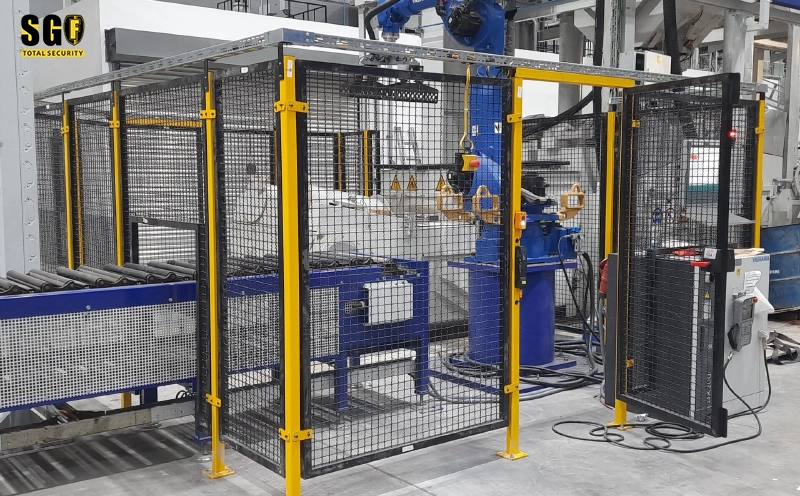
- Robot cells that need a hard perimeter, not a light visual boundary
- CNC and machining areas where broken tools or components can eject toward walkways
- Conveyor and transfer zones where the operator side must stay physically separated
- Warehouse and internal logistics aisles where forklifts and equipment share space with people
- Retrofit lines that need a modular fence system instead of site welding
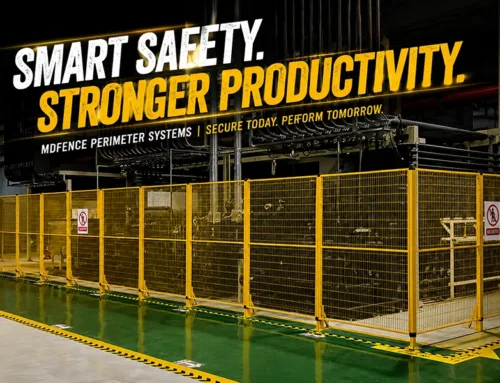
In each of these scenarios, the logic is the same: the fence has to keep the system boundary intact when the machine does something abnormal. Mdfence answers that need with a steel framed structure, a thickened 60x60mm post, and a panel design that is made to take abuse without turning the opening into a gap.
What project teams should specify before release
For a machine safety fencing package, the real questions are not abstract. Teams should define the cell size, the required access points, the gate type, the collision risk, and the installation surface. Mdfence is built to work inside that project logic: standard modules, controlled access hardware, and a structure that can be engineered for the line instead of forcing the line to match the fence.
Final result: a boundary that stays credible when the machine fails
When a fault happens, the goal is simple: protect the people outside the cell and keep the enclosure from collapsing. That is what this machine safety fencing system is for. It combines Q235 steel, a 60x60mm post, a framed mesh panel, and 1600J-class impact performance into a practical industrial guarding package for heavy automation environments.