EN
EN  DE
DE  RU
RU  PT
PT  JA
JA  ES
ES  IT
IT Industrial Safety Fence for heavy machining protection
Industrial Safety Fence for Plasma-Cutting Debris Control and Floor-Space Recovery
When a plasma cutter or milling line throws hot chips and metal fragments, the issue is not only containment. It is also how close the barrier can sit to the machine without breaking the safety layout. This Industrial Safety Fence uses a 20x100mm anti-finger mesh and a rigid 20x30mm welded rectangular frame so the guard can stay tight, control flying debris, and recover valuable aisle space.
Why this layout works in metal-cutting cells
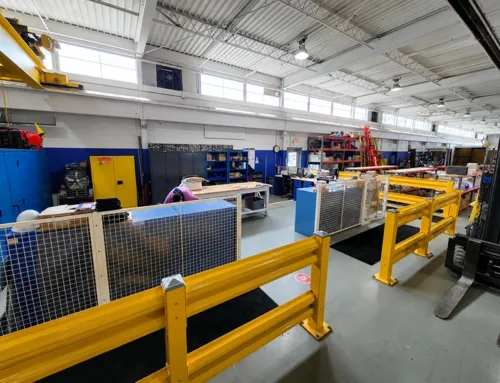
Large plasma cutting and milling machines produce high-speed metal chips, sparks, and fragments. If the mesh opening is too large, the fence must be pulled back to satisfy safety distance rules, and the plant loses usable floor area. This configuration solves both problems at once: it blocks flying waste with a narrow 20x100mm mesh, and it supports a legal close-in installation distance of only 120mm when the project layout is engineered around the hazard.
| Specification | Project value |
|---|---|
| Mesh opening | 20x100mm anti-finger narrow mesh for small flying metal waste |
| Frame | 20x30mm fully welded rectangular tube frame for high bending rigidity |
| Minimum installation clearance | Only 120mm from the hazard line in an engineered layout |
| Safety logic | Close-in guarding that protects people while recovering expensive floor space |
Structure evidence behind the floor-space gain
1. Tight mesh stops high-speed debris before it becomes a housekeeping problem
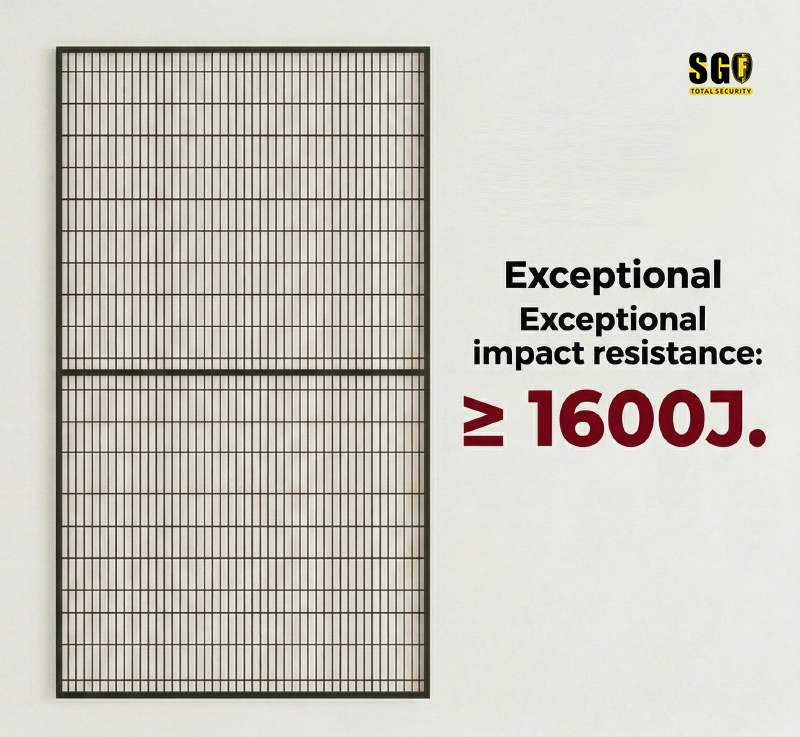
The first reason this Industrial Safety Fence fits plasma-cutting zones is simple: the 20x100mm narrow opening is far more suitable than a loose mesh when chips and fragments are traveling fast. It keeps the boundary visually open enough for supervision, but mechanically tight enough to intercept the waste stream at the cell edge. That reduces scatter, cleanup burden, and the temptation to push the barrier back just to feel safe.
2. Rigid welded frame keeps the fence line stable near heavy equipment
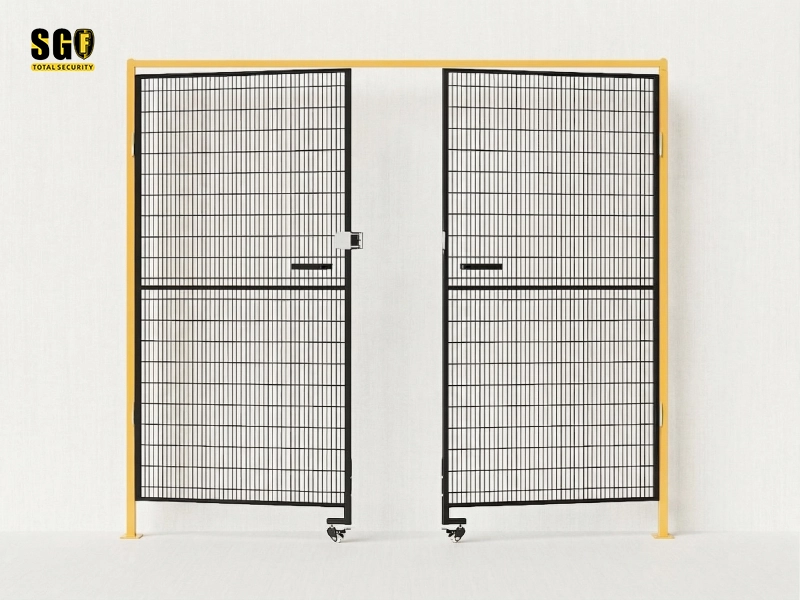
Plasma cutting cells and milling stations vibrate, throw impact loads, and demand a guarding system that does not twist out of alignment. The 20x30mm fully welded rectangular frame gives the panel its stiffness. That matters because a stiff guard stays square, keeps the gate line predictable, and supports a compact machine envelope without the sag and drift that make narrow layouts difficult to approve.
3. Proof details matter when the machine footprint is expensive
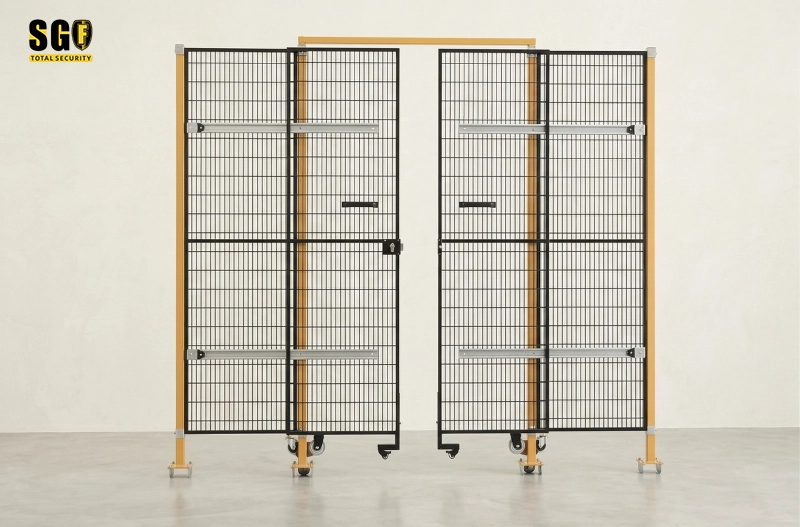
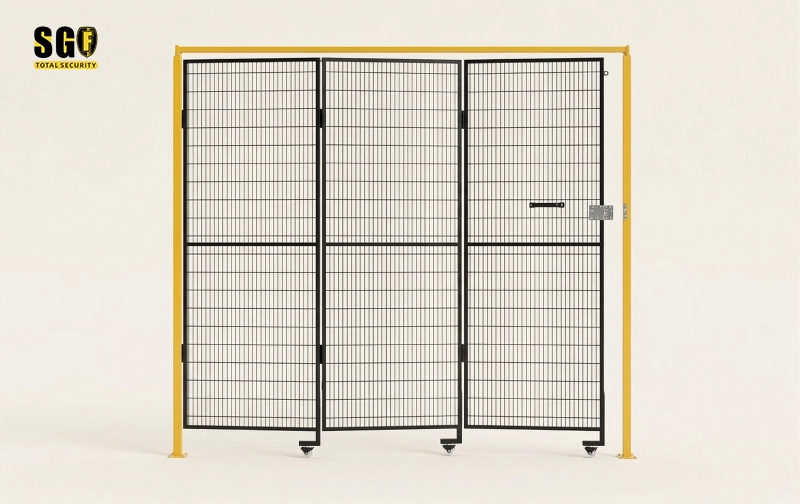
On a crowded shop floor, the decision is never only about mesh size. Buyers also need visible evidence of weld quality, coating finish, and base-plate construction, because those are the parts that decide whether the barrier will hold position over time. The product proof board shows the caliper, weld seam, coating, and base plate details that make a tight installation credible in front of safety, engineering, and operations teams.
Where this guarding strategy delivers the most value
- Plasma-cutting cells that throw metal chips, sparks, and flying fragments
- Milling and machining bays that need tighter perimeter guarding
- Factory layouts where safety distance and usable aisle width are both critical
- Projects that need a legal, compact barrier line instead of a deep setback
- Plants that want a clear visual boundary without wasting expensive floor area
For metalworking teams, the real result is not just safer containment. It is a cleaner cell boundary, a narrower installed footprint, and a layout that gives production more usable space without compromising the safety logic.
What to specify before you release the layout
Send the machine footprint, the hazard radius, the operator access points, and the aisle width target. With those inputs, the Industrial Safety Fence can be configured around the machine instead of around guesswork. That is how the project keeps the fence close, keeps the debris inside the guard line, and keeps the floor space working for production.
Recover floor space without opening the risk zone
When the machine throws metal debris at speed, the barrier has to do two jobs: contain the hazard and stay compact. This Industrial Safety Fence is built for that exact balance.