EN
 DE
 RU
 PT
 JA
 ES
 IT
Returns · Awaiting inspection · Hold stock
Three Statuses, One Open Floor: Why Held Stock Keeps Shipping
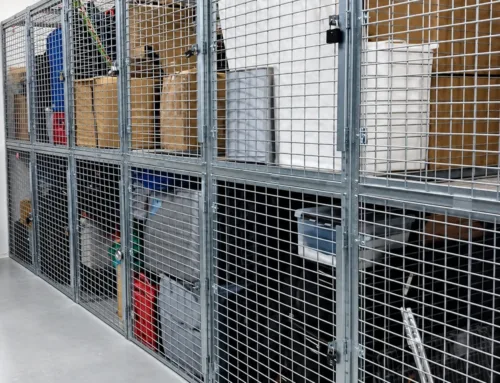
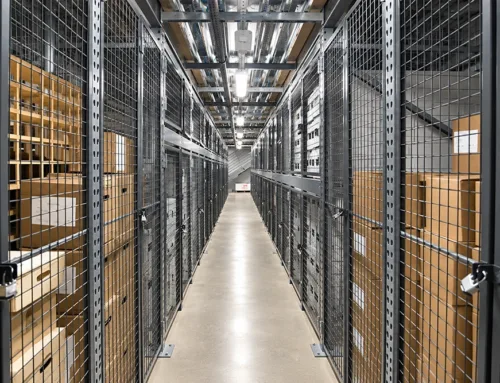
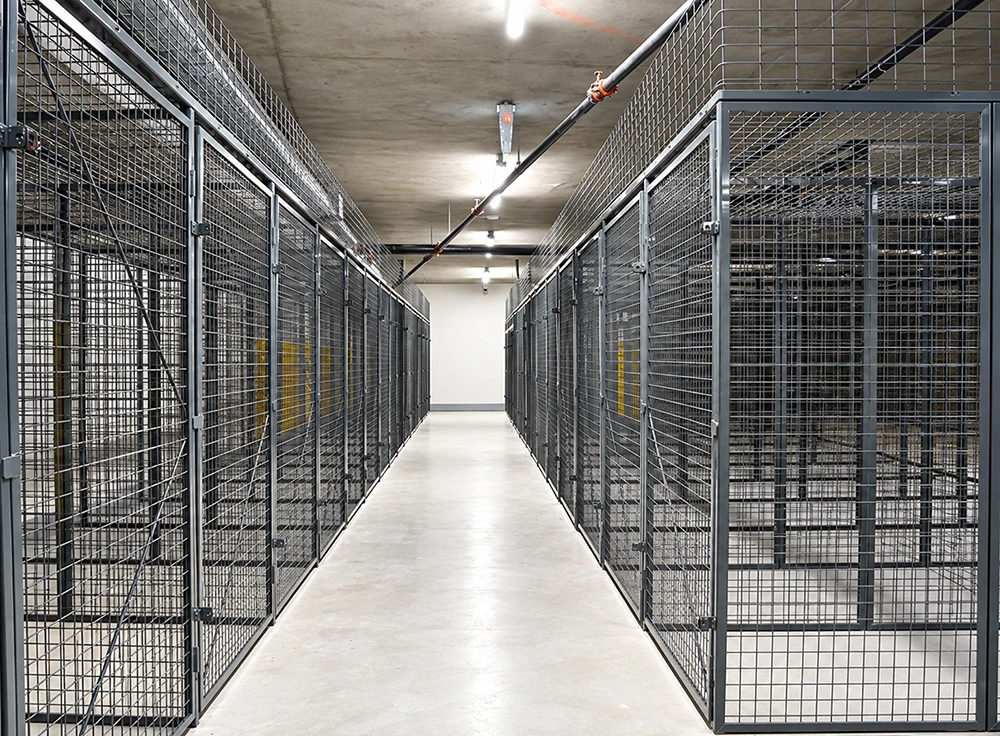
A customer return, a pallet waiting on a QC signature and a shipment frozen by a commercial dispute all sit in the same building as sellable stock, and from the pick face every one of them looks exactly like sellable stock. Fulfilment guidance from FLEX is blunt about the consequence: goods that come back, goods not yet inspected and goods on hold, if they are not physically separated, get resold, re-shelved and shipped again — the double shrink, where the operator loses the unit and pays the return cost a second time. A painted line and a laminated sign do not stop a picker at 06:00. A wire mesh storage cage does, because a lockable bay with one hinged mesh door is a boundary a person has to open on purpose.
What a Quarantine Bay Is Actually Built From
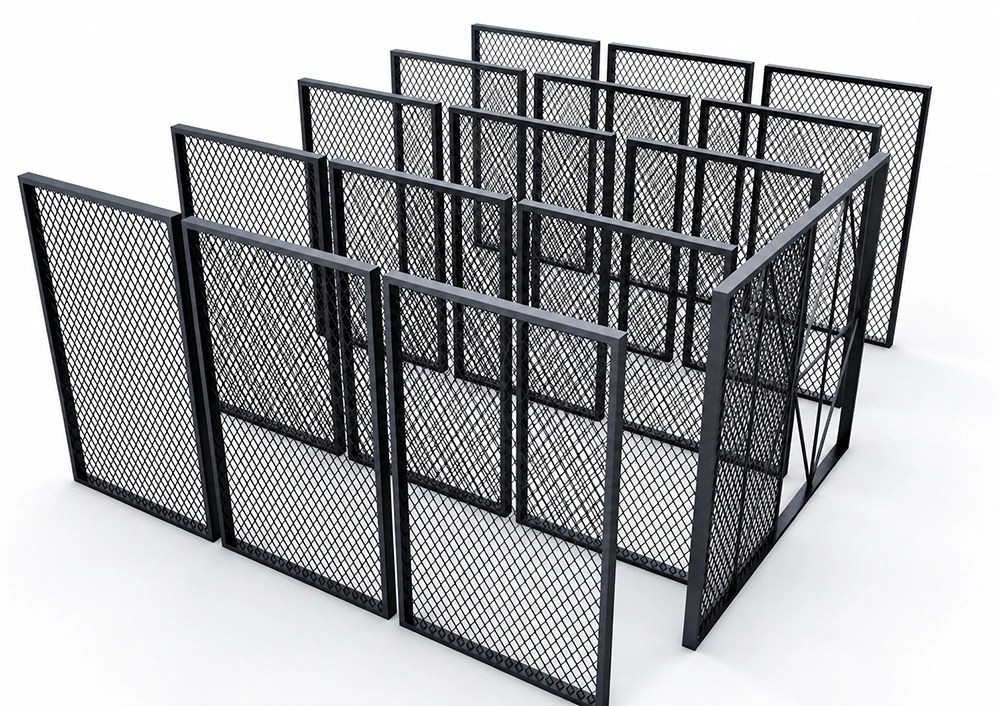
The failure is rarely the idea of a hold area. It is that the hold area is a zone in a system and a rectangle on the floor, while the goods are physical. The old answers are a corner behind a rack, a wooden crate, a steel cabinet, or a strip of floor tape that the night shift treats as a suggestion. Each of them fails a different way: tape has no door, solid cabinets hide the contents from the supervisor and from the sprinkler, and a nailed crate cannot be opened for a QC check without being destroyed. A bolt together storage cage is specified item by item, so the quarantine bay matches the return volume instead of the other way round.
| Element | What it does on a returns and hold bay |
|---|---|
| Mesh panel | Galvanised welded wire panel in a folded steel frame — a closed face that still lets a supervisor, a camera or an auditor read what is inside from the aisle, without a key. |
| Post and frame | Steel posts carry the panel line. The run is laid out from the aisle width and the bay depth you actually have, not from a catalogue rectangle. |
| Panel-to-post fixing | 90-degree angle screws. A joint that goes up and comes apart with a wrench, which is what makes a bay re-layable later. |
| Panel-to-panel joint | Panels drawn back to back with straight bolts and through-nuts, so two facing bays share one line instead of eating two. |
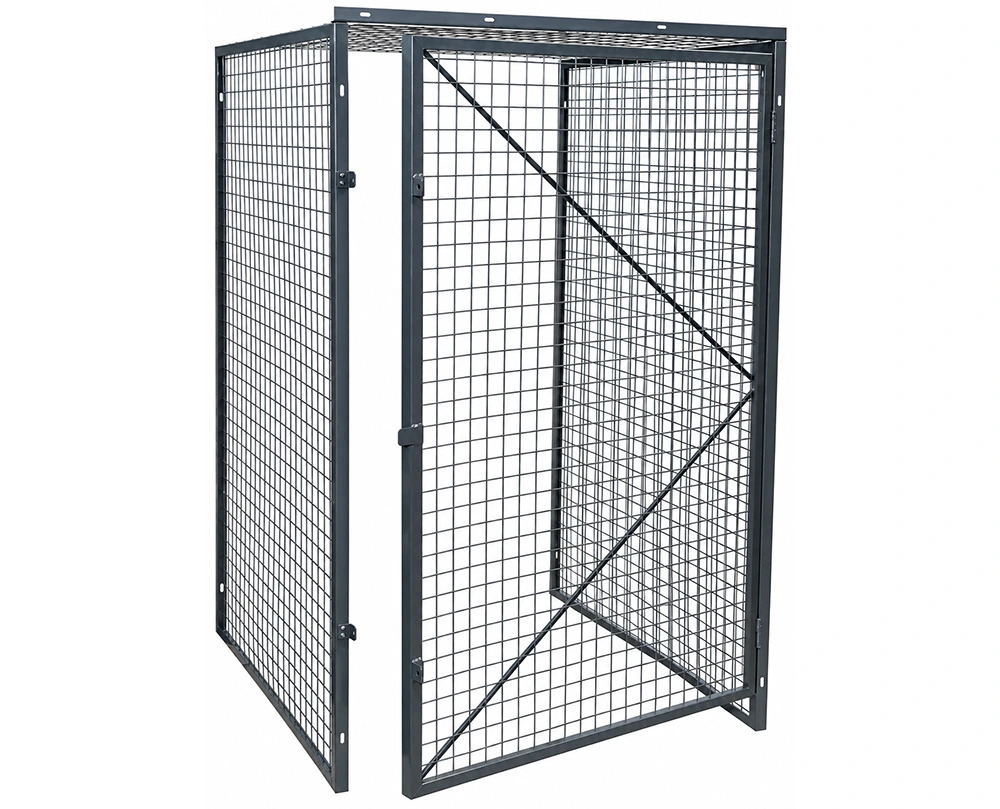
| Door | One long-strip hinged mesh door per bay: one hinge line, one swing, one opening to control. |
| Lock position | Scribed on the door bar before the padlock, keyed lock or card reader is fitted, so every bay has one address that a register, a key board or an audit can point at. |
| Top closure | Top mesh panel on a top rail where the run stops below the slab; left open where the sprinkler line and the air path run over the goods. |
| Floor fixing | Expansion bolts into the slab, driven after the run is squared and the doors swing clean — not before. |
| Bay sizes | Heights, widened and deepened bays, base plinth, shelves and mesh fill are specified per project, so a pallet-sized return bay can sit next to a shelf-sized small-parts bay in the same run. |
| Installation conditions | Two people, a hand drill and a wrench. No welder, no wet trades, no shutdown of the aisle behind it. |
The Three Parts of the Bay That Decide Whether It Works
One Door, One Status, One Label
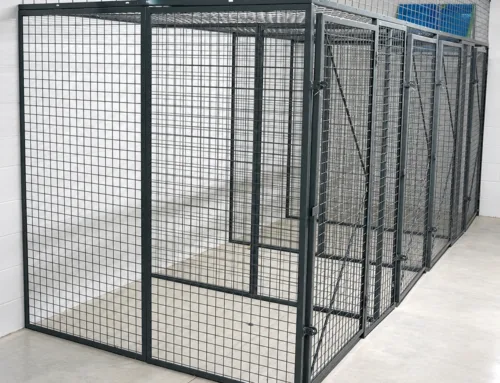
The reason held stock gets picked is that it has no door to open. A single hinged mesh door per bay, with the lock position fixed on the door bar, turns a status into a place: a returns bay, an awaiting-inspection bay and a dispute bay become three doors with three different labels rather than three piles on the same concrete. The diagonal brace on the door leaf is not decoration — it keeps a mesh door that is opened two hundred times a shift from racking out of square, which is what makes a one-hinge door keep closing onto its lock position for years. If your process already uses a security storage cage for high-value goods, this is the same hardware with a different register behind it.
A Face You Can Read From the Aisle
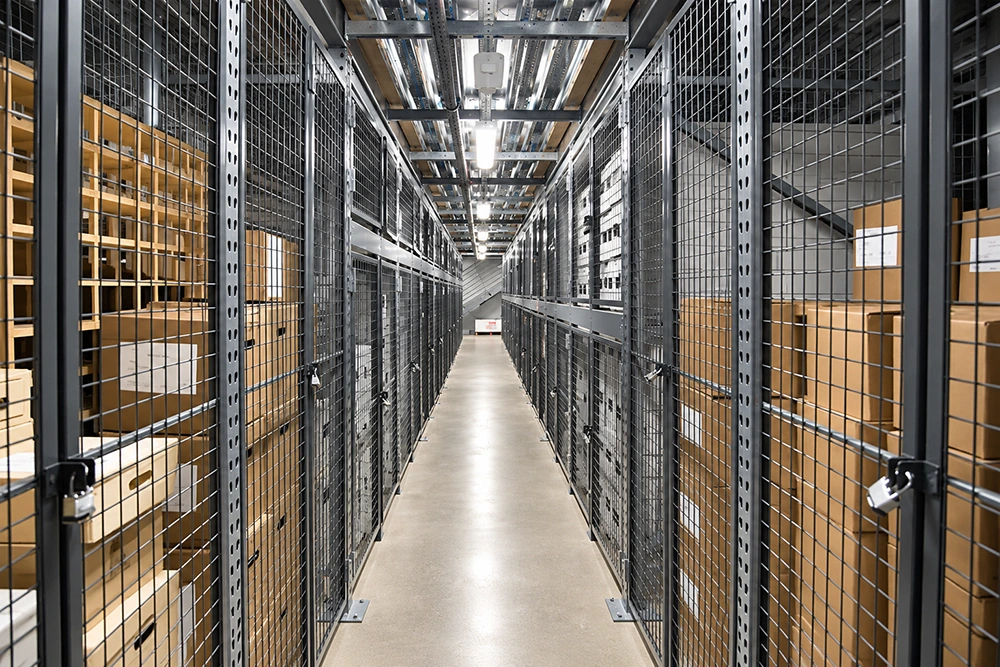
A closed steel cabinet solves the security question and creates a new one: nobody knows what is inside it. An open mesh face means the returns supervisor can see whether the bay is full, whether the pallet that was meant to be inspected yesterday is still sitting there, and whether a picker has wheeled something into it. On a warehouse storage cage with internal shelving, the mesh also keeps the bay ventilated — a returned mattress, a wet pallet or a carton that spent a week on a damp dock does not sit sealed in its own moisture — and it keeps the sprinkler spray path intact, which is the point where a solid metal storage locker stops being the compliant choice.
A Run That Splits When the Return Volume Moves
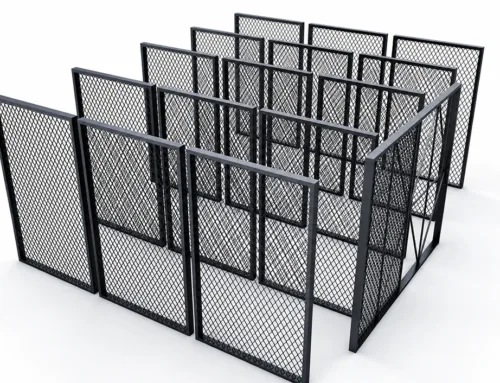
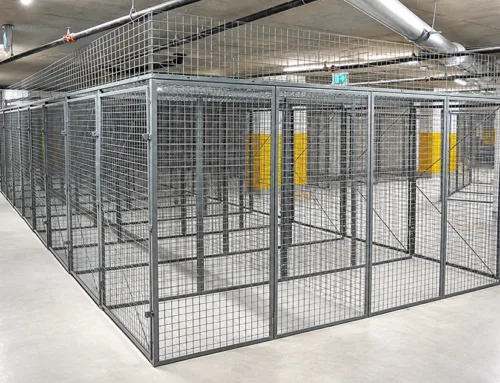
Return volume is seasonal and it does not ask permission. In January the quarantine area is four bays; after a product recall it is fourteen. Because the run is assembled from galvanised panels, posts and doors fixed with angle screws and back-to-back through-bolts, a modular storage cage can be extended by bolting on another bay, split when the awaiting-inspection queue clears, or moved to the other side of the aisle when the pick face is re-slotted — and the expansion bolts are simply re-driven into the slab. Compare that with the old solution of building a stud wall around the returns corner: that wall is permanent on day one and wrong by the second peak.
Where the Quarantine Bay Sits in the Building
- Returns dock hold bay — units received back but not yet dispositioned, physically apart from the replenishment flow so they cannot be re-shelved by accident.
- Awaiting-inspection bay — incoming batches held for a QC decision, with the QC record keyed to the bay number painted on the door bar.
- Commercial hold bay — an order frozen by a customer dispute or a credit stop, out of the pick face but still visible to the account manager who has to answer for it.
- Warranty and repair pool — an industrial tool storage cage for returns that come back for rebuild rather than resale.
- Damaged-in-transit and rejected lots — a small storage cage that keeps a disputed pallet whole until the claim is settled, instead of breaking it into shelf stock.
- Recall containment — a numbered bay per lot, so a recall list can be walked and signed rather than trusted.
The same specification answers the space question: a quarantine bay does not need a room, so a space saving storage cage takes floor that is already inside the building, sets it behind mesh, and turns an unmanaged corner into a counted location. Fixing is at floor level only — square the run, drive the expansion bolts, hang the doors, label the lock position — and the bay is in service the same day, with the fire officer still able to see and spray through the mesh.
Bay Drawings Before the Concrete Is Drilled
Send the return volume, the pallet footprint and the aisle width, and the layout comes back as a bay-by-bay drawing: bay heights, widened or deepened bays, plinth and shelving, mesh fill, door type and the lock position on each door bar, with the anchor plan for the slab. Nothing is drilled until that drawing is agreed.
Give Every Held Pallet an Address
If returns, awaiting-inspection stock and held orders currently share open floor with sellable inventory, the fix is a run of lockable mesh bays with labelled doors — not another procedure. Tell us the footprint and the statuses you carry, and we will quote the bay count, the door layout and the fixing plan.