EN
 DE
 RU
 PT
 JA
 ES
 IT

Choosing the Right Safety Door for Machine Protection Systems

Safety doors play a crucial role in machine protection systems by preventing unauthorized access to hazardous areas, reducing the risk of accidents, and ensuring a secure working environment. Selecting the appropriate safety door is essential to meet safety standards, comply with regulations, and safeguard both operators and equipment. In this article, we will explore the key factors to consider when choosing the right safety door for machine protection systems.
1. Understanding Safety Requirements
Before selecting a safety door, it is vital to assess the specific safety needs of the machine or equipment. Different machines may have unique hazards, such as moving parts, high temperatures, or potential emissions. Identifying these risks will help determine the necessary safety features required for the door, such as interlocking mechanisms, safety sensors, or warning indicators.
2. Compliance with Safety Standards
Ensure that the chosen safety door complies with relevant safety standards and regulations in your region. Standards such as ISO 13849, IEC 62061, or ANSI B11 provide guidelines for the design and implementation of safety systems. Adhering to these standards not only ensures a higher level of protection but also minimizes legal liabilities.
3. Type of Safety Door
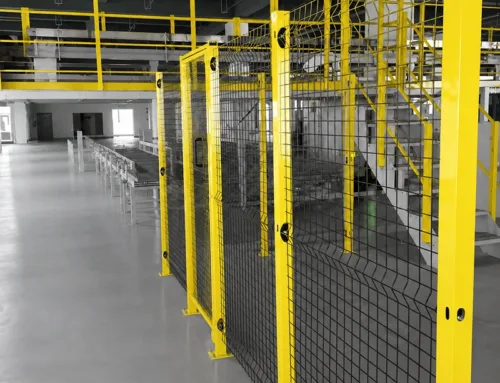
There are various types of safety doors available, each suitable for different applications. Swing doors are ideal for areas where frequent access is required while sliding doors are more suitable for confined spaces with limited clearance. Folding doors are practical for large openings, and interlocked gates are commonly used for robotic systems. Understanding the advantages and limitations of each type will help make an informed decision.
4. Material and Durability
Selecting the right material for the safety door is crucial, as it directly impacts the door’s durability and longevity. Doors made from stainless steel or robust metals offer excellent resistance to corrosion, making them suitable for harsh environments. For less demanding applications, doors made from high-quality plastics may provide a cost-effective solution without compromising safety.
5. Ease of Integration and Maintenance
Consider the ease of integration of the safety door with your existing machine protection system. Some safety doors come with modular designs that simplify installation, while others may require more complex adjustments. Additionally, opt for doors that are easy to maintain and service to minimize downtime and ensure continuous machine safety.
Conclusion
Selecting the right safety door for machine protection systems is a critical step in creating a safe and efficient working environment. Understanding safety requirements, compliance with standards, and choosing the appropriate door type and materials are key factors in making an informed decision. By prioritizing safety and considering ease of integration and maintenance, businesses can enhance workplace safety and protect valuable assets.
Money Welded to the Floor: Mefence Frameless Industrial Safety Fence Re-Zones a Packaging Plant in One Weekend
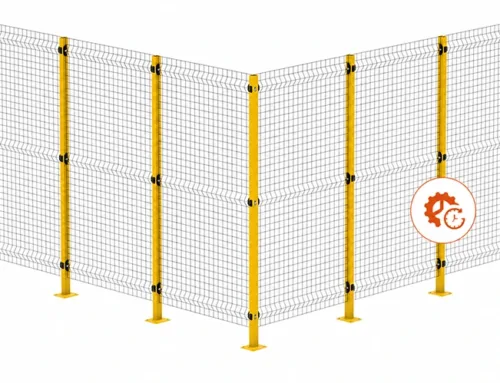
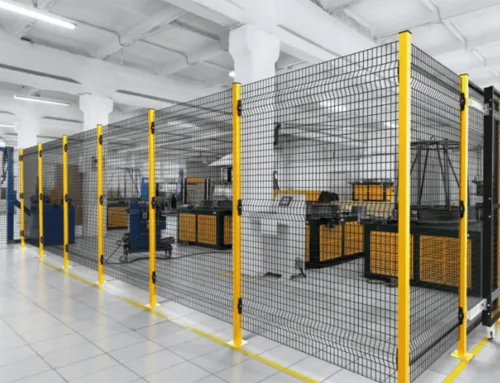
A packaging plant on a 14-day order book redraws its zones faster than a welded perimeter can be justified. Mefence frameless industrial safety fence is a Q235 welded mesh boundary with 3-4 mm wire, 20x100 or 50x50 mm mesh openings and clip-and-screw fixing on base plate posts with slotted mounting holes - unclip the panels, cut the last bay on site, re-bolt them into the new layout. Built for warehouse zoning, storage area separation, pedestrian vehicle separation, forklift path barrier and AGV lane control, with strike points routed to the impact-rated Machine Fence line.
Mesh Opening Over Panel Thickness: Frameless 3D Industrial Safety Fence for Robot Palletizer Cells
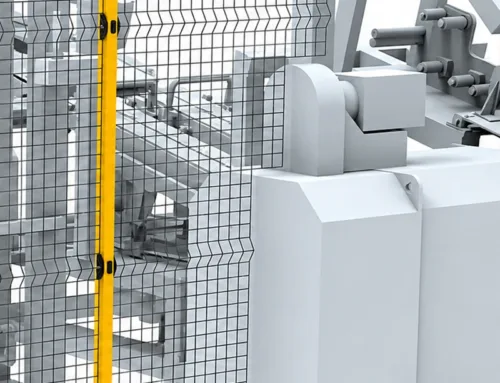
An end-of-line palletizer needs a boundary that keeps people out without taking the sightline with it. Mefence frameless 3D industrial safety fence is a Q235 welded mesh boundary with 20 x 100 mm or 50 x 50 mm openings, clip and self-tapping screw fixing on base plate posts, on-site cut panels and T-shaped ridges that carry interlock, sensor and camera cable — built for robotic workstation enclosure, AGV lane separation and warehouse zoning, with impact-rated strike points on the Machine Fence line.
Open-Mesh Frameless Safety Fencing for Robot Palletizing Cells: Sightline, Camera and AGV LiDAR Without a Solid Panel Wall
Solid panel walls around an end-of-line palletizer keep people out and blind everyone else: the operator cannot see the cycle, the camera sees a grey rectangle, and the AGV map has a new hard surface in it. Mefence frameless 3D safety fencing is a Q235 welded mesh boundary with 20x100 or 50x50 mm openings, clip and self-tapping screw fixing on base plate posts, on-site cut panels and a T-shaped ridge that carries interlock and camera cable — built for robotic workstation enclosure, AGV lane separation and warehouse zoning, with strike points routed to the impact-rated Machine Fence line.