EN
EN  DE
DE  RU
RU  PT
PT  JA
JA  ES
ES  IT
IT 
Components of the machine fencing system

A machine fencing system is an essential safety feature that is used to prevent accidents and injuries in industrial settings. It is designed to enclose dangerous equipment and machinery to protect workers and bystanders from potential harm. There are several components of a machine fencing system, each of which plays a crucial role in ensuring its effectiveness.
Fencing Panels
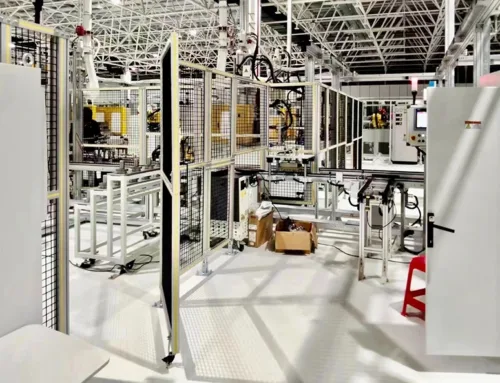
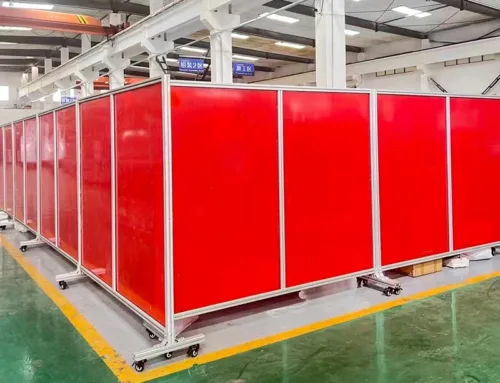
The fencing panels are the primary component of the machine fencing system. They are used to create a barrier around the machinery, which prevents unauthorized access and protects workers from coming into contact with hazardous equipment. Fencing panels are made from various materials such as steel, aluminum, or mesh wire.
The choice of material depends on the type of machinery being enclosed, the level of danger it poses, and the environment it is located in. For example, steel fencing panels are ideal for enclosing heavy machinery, whereas mesh wire panels are more suitable for enclosing light machinery.
Gates
Gates are an essential component of the machine fencing system as they provide access to the machinery for authorized personnel. The gates are usually located at designated entry points and are designed to open and close easily, allowing workers to move in and out of the enclosed area.
Gates can be manually operated or automated, depending on the level of security required. Automated gates are equipped with sensors that detect the presence of workers and open and close automatically, reducing the risk of accidents and improving efficiency.
Locks and Latches
Locks and latches are used to secure the gates and prevent unauthorized access to the enclosed area. They are designed to be tamper-proof and can only be opened with a key or combination code.
Locks and latches are available in different types and styles, such as padlocks, deadbolts, and electronic locks. The type of lock used depends on the level of security required, the size of the machinery being enclosed, and the number of workers who need access to the machinery.
Posts and Mounting Hardware
Posts and mounting hardware are used to secure the fencing panels and gates in place. They are usually made from steel or aluminum and are designed to withstand the weight and pressure of the machinery being enclosed.
The mounting hardware includes bolts, screws, and brackets, which are used to attach the fencing panels and gates to the posts. The posts are usually installed into the ground or bolted to the floor, depending on the environment and the type of machinery being enclosed.
Warning Signs and Labels
Warning signs and labels are an essential component of the machine fencing system as they provide clear instructions and warnings to workers and bystanders. The signs and labels are usually affixed to the fencing panels and gates and are designed to be easily visible.
The warning signs and labels include instructions on how to operate the machinery safely, as well as warnings about the potential hazards and dangers associated with the machinery. They also provide information on the required personal protective equipment (PPE) that workers must wear when entering the enclosed area.
In conclusion, a machine fencing system is a critical safety feature that helps to prevent accidents and injuries in industrial settings. The components of the system include fencing panels, gates, locks and latches, posts and mounting hardware, and warning signs and labels. By ensuring that each component is installed correctly and functioning properly, the machine fencing system can provide effective protection for workers and bystanders.
Equipment isolation fence for robot loading cells: Alfence stops nuisance shutdowns
For robot loading cells, Alfence equipment isolation fence keeps sensors, interlocks, and cable routes off painted steel posts so the PLC does not trip on false door signals.
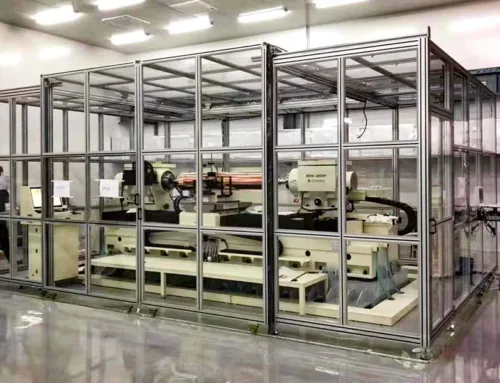
Machine Guard Fencing for Hygienic Food and Pharma Lines | Alfence
Alfence machine guard fencing uses aluminum profile safety fence construction and powder-coated corrosion protection to support hygienic food, beverage, pharma, and cleanroom layouts.
Machine Guard Fencing for Hygienic Food, Beverage, and Pharma Plants | Alfence
Alfence machine guard fencing uses aluminum profiles and powder coating to protect hygiene-sensitive lines with a cleaner, easier-to-maintain barrier.