EN
EN  DE
DE  RU
RU  PT
PT  JA
JA  ES
ES  IT
IT Enhancing roof safety with Roof Guardrail: preventing falls from heights

Roof guards are important safety devices installed at the edge of a roof to prevent falls from heights. These barriers create a physical separation between workers and the unprotected roof edge, thereby significantly reducing the risk of accidents and injuries.
The role of roof parapets
Roof parapets are an important line of defense to ensure the safety of workers working at height. By providing a sturdy barrier, they can form a protective perimeter against accidental falls and protect workers from serious injury or even death. These safety devices play an important role in meeting regulatory requirements and industry standards for roof construction and maintenance work.
Materials and types of roof parapets
Roof parapets can be made from a variety of materials, including steel, aluminium and plastic. Each material offers unique advantages, such as durability, corrosion resistance and lightweight design. The choice of material depends on factors such as budget, desired service life and specific environmental conditions. There are several types of roof rails on the market. Freestanding parapets are portable and versatile, and can be easily relocated as required. Fixed parapets are permanently fixed to the roof or building structure, providing a permanent security solution. Folding parapets offer the convenience of folding and are suitable for areas where space is limited.
Considerations when choosing a roof parapet
Several factors should be considered when choosing a roof parapet. The type of roof, whether flat or pitched, will affect the method and design of the parapet installation. The height of the building determines the required height of the parapet and the regulations to be followed. In addition, it is important to ensure that the chosen parapet complies with local safety regulations and standards.
Roof parapets play a vital role in enhancing roof safety by providing a physical barrier against falls from heights. Whether during construction, maintenance or repair work, these safety devices are essential to protect workers from accidents and injuries. By choosing the right materials, types and adhering to safety standards, organisations can create a safe working environment and promote a culture of safety when working at height.
Equipment isolation fence for robot loading cells: Alfence stops nuisance shutdowns
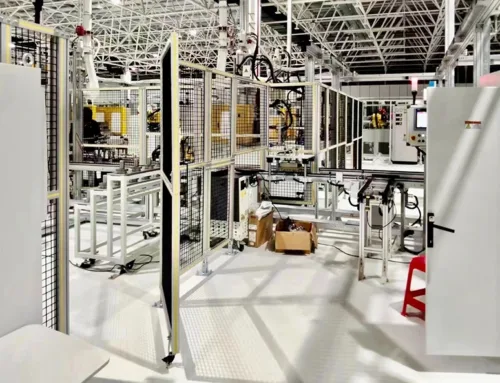
For robot loading cells, Alfence equipment isolation fence keeps sensors, interlocks, and cable routes off painted steel posts so the PLC does not trip on false door signals.
Machine Guard Fencing for Hygienic Food and Pharma Lines | Alfence
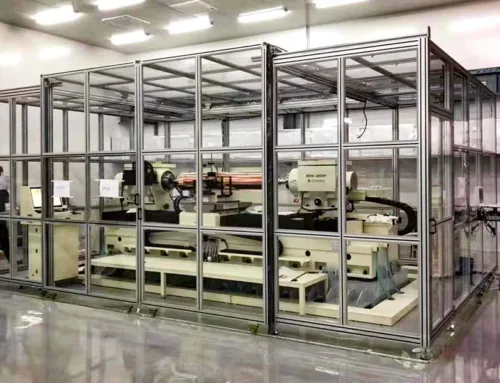
Alfence machine guard fencing uses aluminum profile safety fence construction and powder-coated corrosion protection to support hygienic food, beverage, pharma, and cleanroom layouts.
Machine Guard Fencing for Hygienic Food, Beverage, and Pharma Plants | Alfence
Alfence machine guard fencing uses aluminum profiles and powder coating to protect hygiene-sensitive lines with a cleaner, easier-to-maintain barrier.