EN
EN  DE
DE  RU
RU  PT
PT  JA
JA  ES
ES  IT
IT Fence guarding
Fence guarding for 120 mm lawful isolation in dense indoor recycling aisles
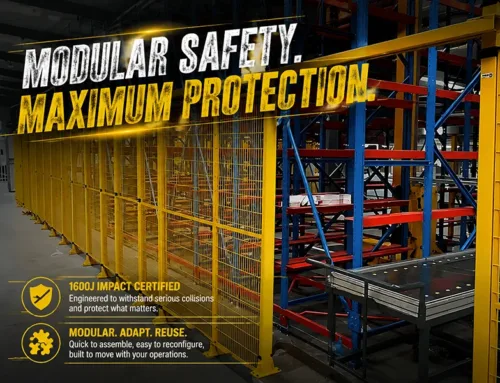
When scrap piles, sorting lanes, and transfer points are packed into an indoor recovery center, every extra millimeter of safety setback becomes lost working area. Mdfence keeps the line compliant with a precision 20×100 mm mesh layout while reducing the lawful separation distance to 120 mm, so a global operator can protect the cell without surrendering valuable floor space.
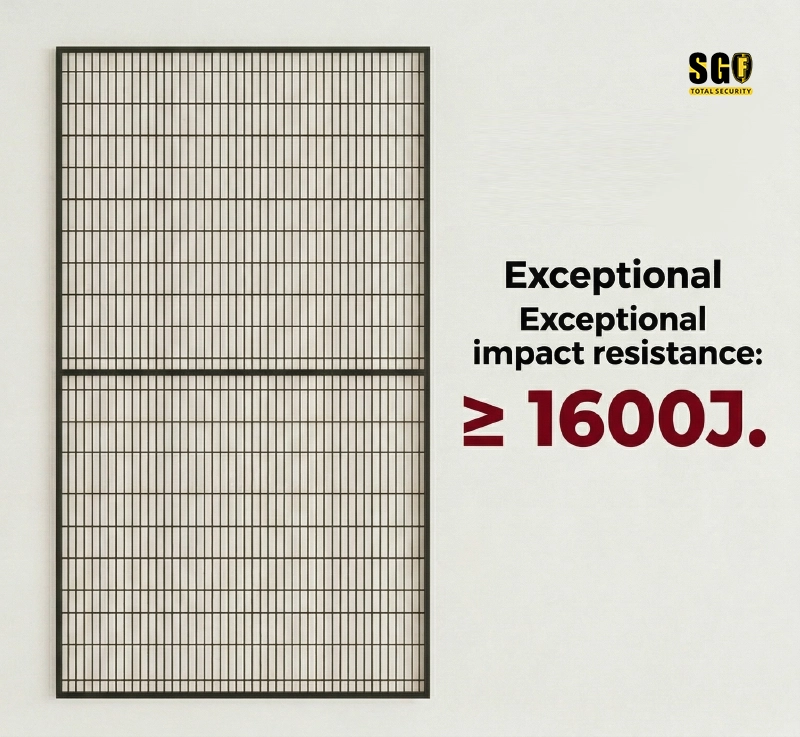
Fence guarding specs that protect space, not just people
Indoor recycling sites do not lose money because of the fence itself; they lose it because the old scheme forces a wide buffer around every machine, bin, and conveyor. Mdfence is built for the opposite outcome: meet the separation requirement, keep the corridor narrow, and preserve room for storage, turning, and material flow.
| Project requirement | Mdfence response |
|---|---|
| Cramped indoor scrap sorting center | Modular fence guarding that follows dense aisle geometry instead of forcing oversized setbacks. |
| Expensive floor area | Precision 20×100 mm mesh supports a lawful isolation distance reduced to 120 mm. |
| Stable industrial installation | Base plate anchoring, expansion bolts, and retention hardware keep the line rigid under daily operation. |
| Standardized rollout across 135 sites | Repeatable module layout makes the same fence guarding concept easy to copy from one plant to the next. |
Fence guarding features backed by physical proof
Welded frame and coated finish
The advantage board shows the hard details that matter in a recycling plant: caliper-controlled geometry, visible weld seams, surface coating, and a solid base plate. That combination is what keeps the fence guarding system durable when dust, vibration, and repeated contact are part of the job.
Anchored to stay narrow
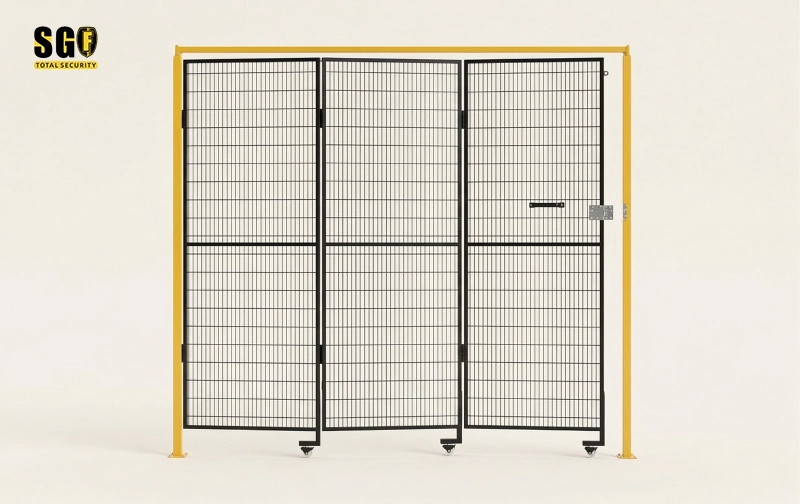
The installation diagram matters because the space saving is only real if the fence is fixed correctly. Base plate positioning, drilling, expansion bolts, and retaining rings show how Mdfence locks into place while keeping the boundary tight around the machine cell.
Corner closure for complete isolation
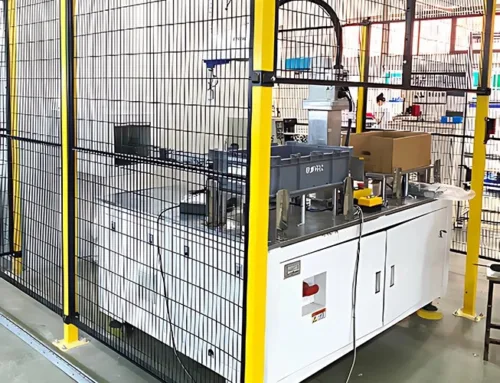
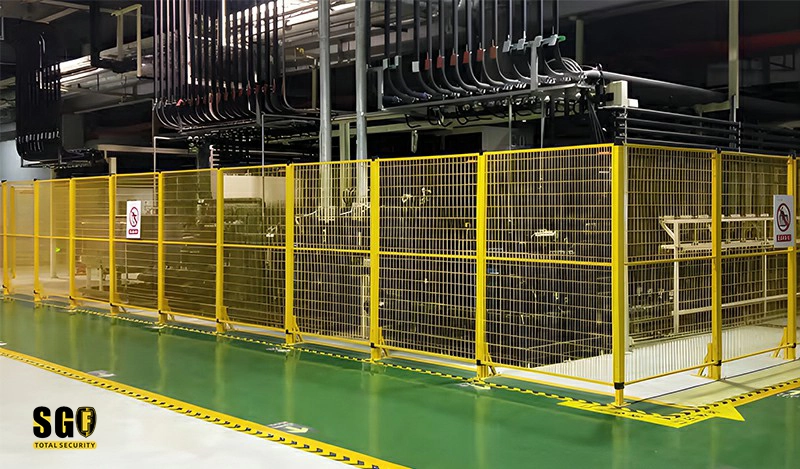
Dense sites fail at the corners first. The corner close-up shows the yellow post, top beam, and black mesh aligning cleanly, which is exactly what an indoor recycler needs when every turn, fork path, and work cell has to stay protected without wasting the aisle width.
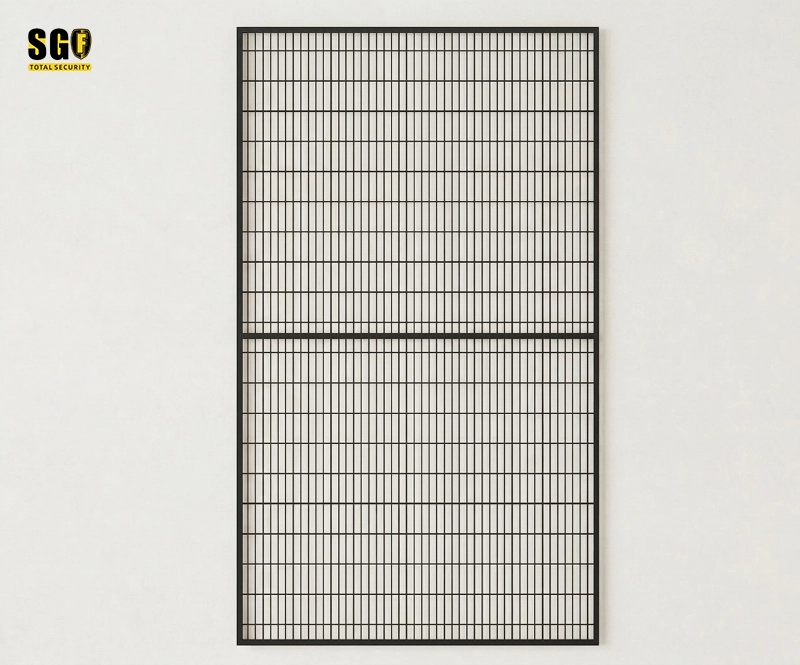
Fence guarding applications for dense material recovery work
- Indoor sorting centers where stacked waste and conveyor lanes leave almost no spare width.
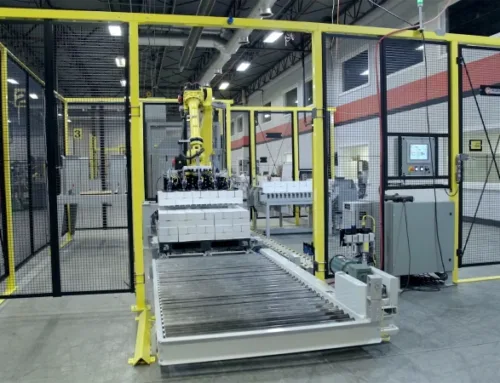
- Metal recycling warehouses that must keep aisles open while protecting operators from machine zones.
- Retrofit projects where the old guardrail footprint is too wide and eats into storage capacity.
- Multi-site rollouts that need one repeatable fence guarding standard across 135 locations.
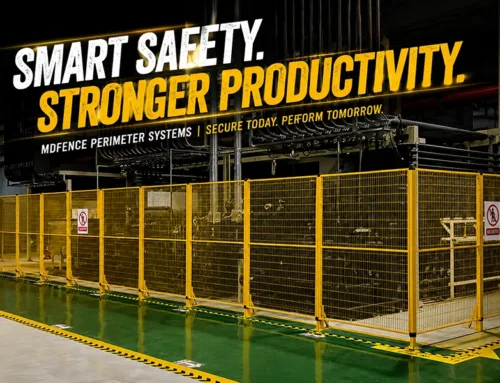
For these sites, the real win is not a bigger fence. It is a smarter boundary: enough protection to stay compliant, tight enough to keep the workflow moving, and modular enough to preserve the valuable square meters that pay the bill.
What to confirm before you specify fence guarding
Confirm the aisle width, machine envelope, access points, and the separation requirement first. Then map the layout around Mdfence’s 20×100 mm mesh modules and base plate fixing method so the project lands on the 120 mm lawful isolation target without creating a wider dead zone than necessary.
Fence guarding that returns space to the plant
If your recycling line is already crowded, the right fence should protect the team and preserve the floor plan at the same time. Mdfence is built for that job: compliant separation, tight footprint, and hardware evidence you can point to during review.