EN
EN  DE
DE  RU
RU  PT
PT  JA
JA  ES
ES  IT
IT Who is responsible for the maintenance of roof guardrails

Roof guardrails are a crucial safety feature for any building with elevated work areas or rooftop access. They provide a protective barrier that helps prevent falls and accidents, safeguarding workers and visitors. To ensure the continued effectiveness of roof guardrails, regular maintenance is essential. In this article, we will explore the importance of maintaining roof guardrails and how often this maintenance should be carried out.
The Importance of Roof Guardrails Maintenance
Roof guardrails act as a primary line of defense against falls from heights, making their maintenance a critical aspect of ensuring workplace safety. Over time, exposure to various weather conditions and environmental factors can lead to wear and tear, compromising the structural integrity of the guardrails. Additionally, regular use can result in the loosening of bolts and fittings, further highlighting the need for routine maintenance.
By conducting regular inspections and maintenance, potential issues can be identified and addressed promptly, preventing accidents and injuries. Well-maintained roof guardrails not only protect workers but also demonstrate a commitment to safety, promoting a positive safety culture within the organization.
Recommended Frequency of Roof Guardrails Maintenance
The frequency of roof guardrail maintenance depends on several factors, including the type of guardrail system, the environmental conditions, and the level of usage. As a general guideline, roof guardrails should undergo maintenance at least twice a year. However, in some situations, more frequent inspections and maintenance may be necessary.
a. Heavy Usage and Harsh Environments
For buildings where the rooftop is frequently accessed by workers or equipment, or in areas with harsh weather conditions such as coastal regions with salt exposure, quarterly maintenance may be advisable. The increased usage and environmental stress can accelerate wear and tear, necessitating more frequent checks and repairs.
b. Annual Inspection by Professionals
Apart from regular maintenance conducted by on-site personnel, it is recommended to have a professional inspection by a qualified engineer or safety expert at least once a year. These experts can perform a detailed assessment of the roof guardrails, identifying any underlying issues that may not be apparent during routine inspections.
Conclusion
Roof guardrails are an indispensable safety measure to prevent falls and accidents in elevated work areas. To ensure their continued effectiveness, regular maintenance is crucial. By conducting routine inspections and addressing any identified issues promptly, businesses can uphold workplace safety standards and protect their workforce. Remember, safety should always remain a top priority, and investing in roof guardrails maintenance is a proactive step towards maintaining a safe working environment.
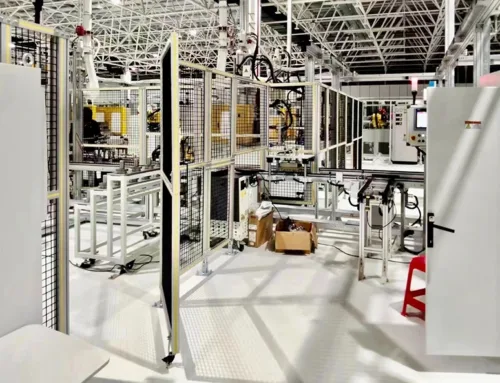
Equipment isolation fence for robot loading cells: Alfence stops nuisance shutdowns
For robot loading cells, Alfence equipment isolation fence keeps sensors, interlocks, and cable routes off painted steel posts so the PLC does not trip on false door signals.
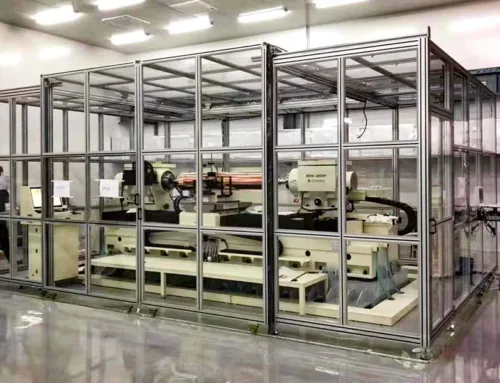
Machine Guard Fencing for Hygienic Food and Pharma Lines | Alfence
Alfence machine guard fencing uses aluminum profile safety fence construction and powder-coated corrosion protection to support hygienic food, beverage, pharma, and cleanroom layouts.
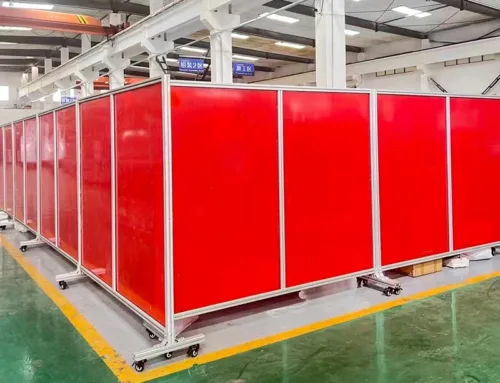
Machine Guard Fencing for Hygienic Food, Beverage, and Pharma Plants | Alfence
Alfence machine guard fencing uses aluminum profiles and powder coating to protect hygiene-sensitive lines with a cleaner, easier-to-maintain barrier.