EN
EN  DE
DE  RU
RU  PT
PT  JA
JA  ES
ES  IT
IT Machine Guarding
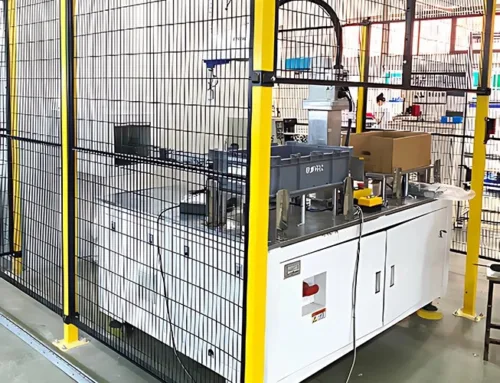
Machine safety fence for compact robot cells that need a hard boundary without sacrificing aisle width, pallet flow, or usable floor area.
When a standard 50×50 mm fence forces a large stand-off distance, the guarding line can consume expensive plant space fast. Mdfence uses a 20×100 mm extreme anti-reach micro-mesh in a framed Q235 steel structure so integrators can build tighter layouts around robot danger zones while keeping access logic organized for maintenance and interlocks.
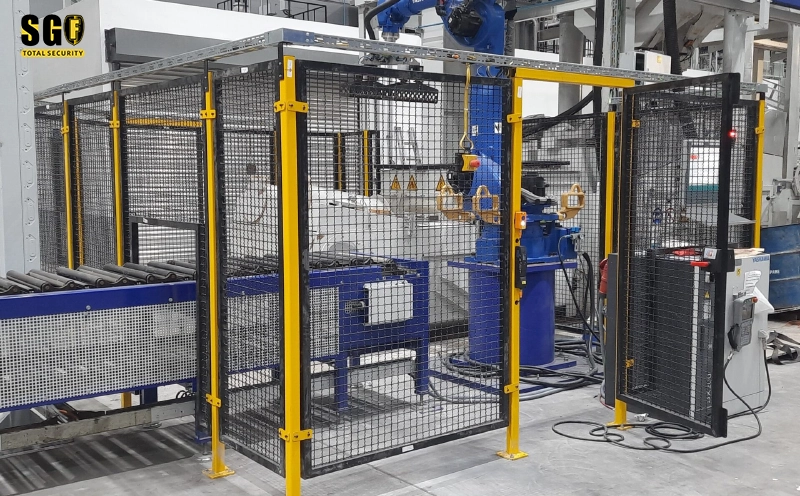
Why compact automation layouts need a different fence strategy
Automation projects rarely fail because the machine is too slow. They fail because the line layout becomes too large, too rigid, or too hard to approve. A fence that sits too far from the hazard source steals forklift lanes, narrows maintenance access, and increases the effective footprint of every robot cell. In plants where each square meter is expensive, that wasted offset becomes a direct commercial cost.
Machine safety fence is designed for exactly that problem. The project brief behind this product points to a 20×100 mm micro-mesh and a close-in installation concept that can bring the fence line to just 120 mm from the robot danger source in the approved layout. That compact geometry helps the integrator protect the cell without building a wide safety moat around it.
| Item | Project fact | Why it matters |
|---|---|---|
| Mesh opening | 20×100 mm | Helps control reach-through risk while keeping the fence visually open. |
| Wire diameter | 4.0 mm | Supports a framed industrial guarding panel rather than loose wire mesh. |
| Main material | Q235 carbon steel | Provides a rigid machine guarding structure for repeatable layout work. |
| Compact positioning | As close as 120 mm in the approved project layout | Preserves valuable production space around the robot cell. |
| Typical old-style setback | Large offsets often seen with generic 50×50 mm fence layouts | Shows why ordinary guarding can consume too much floor area. |
What makes the product fit the space problem
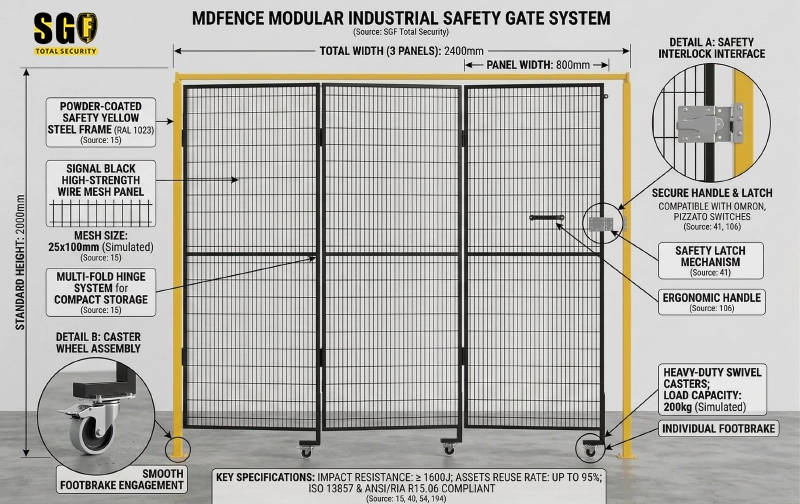
01. Tight mesh geometry for compact cells
The 20×100 mm opening is the key reason this fence works in dense automation zones. It supports a smaller boundary envelope than generic large-mesh guarding, which helps the plant retain aisle width and usable production area.
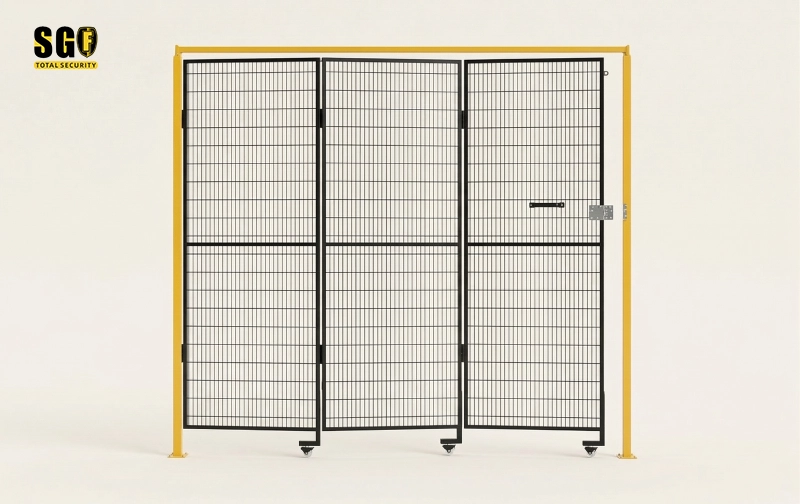
02. Framed steel construction for stable alignment
Loose panels sag, bend, and drift. A Q235 framed system keeps gate lines, post spacing, and panel interfaces more predictable, which matters when a safety review depends on consistent physical separation.
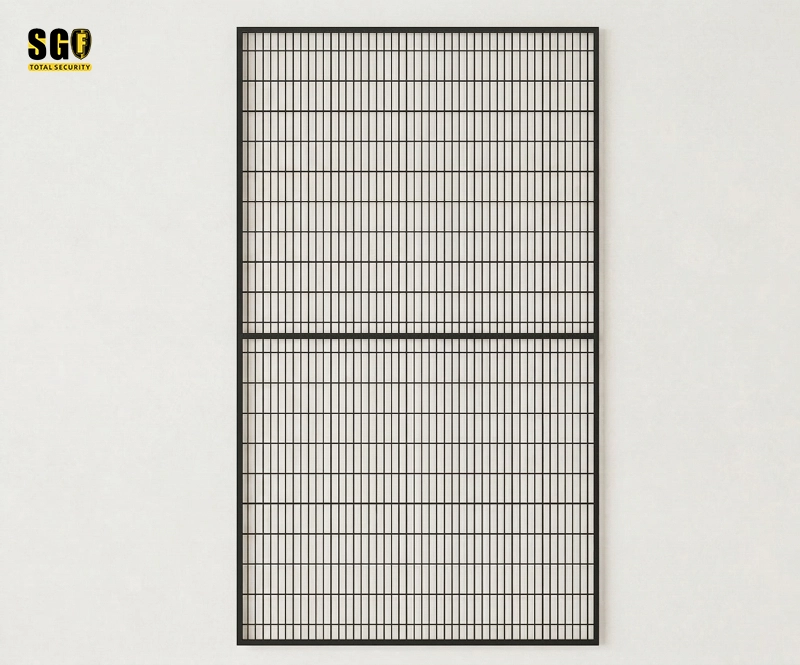
03. Retrofit-friendly machine guarding logic
Mdfence is built as a modular guarding system, so integrators can adapt the perimeter to changing robot cells, maintenance openings, and access points without field welding and without rebuilding the full enclosure.
Where this guarding system fits best
- Robot cells that need a compact safety perimeter
- Automation lines where floor space and forklift circulation are both critical
- Machine zones that need a rigid barrier with planned access points
- Integrator projects that must avoid on-site welding and rework
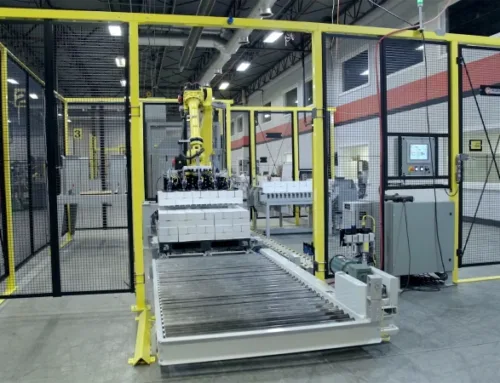
- Warehouse automation, palletizing, and other controlled-access spaces
For end customers, the practical result is simple: less wasted footprint per cell, easier layout approval, and a safer boundary that does not force the whole line to grow just to satisfy a generic fence distance.
Project facts that help teams specify faster
When a customer asks for a machine safety fence, the real specification is not just the panel size. Teams need to confirm the mesh opening, wire diameter, frame material, access logic, and how close the fence can sit to the danger source in the approved layout. Mdfence answers those questions with a compact 20×100 mm micro-mesh, a Q235 steel frame, and a guarding concept intended for tight industrial footprints.
Build a smaller cell without compromising the boundary
Machine safety fence is the right choice when the customer wants a hard guard line, a compact footprint, and a cleaner path to integration. If your project has a space-cost problem, start with the layout and let the fence fit the cell—not the other way around.