EN
EN  DE
DE  RU
RU  PT
PT  JA
JA  ES
ES  IT
IT Robot safety fence standards for corrosive machining lines
Robot safety fence standards in high-corrosion machine shops
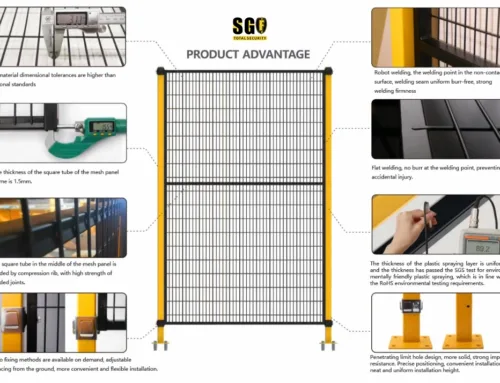
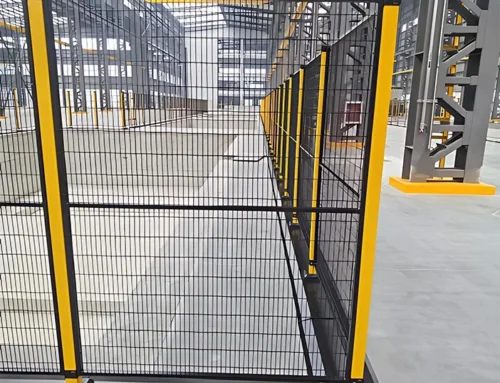
When cutting fluid mist, coolant splash, and oil haze are part of the daily process, cheap guarding fails fast. Mdfence is built for those environments with a 60-80 μm electrostatic powder coat, ISO 9227 salt spray resistance, and fully flat welded contact points that do not trap dirt or moisture.
Why robot safety fence standards matter in corrosive production zones
In metal processing plants, the problem is not just impact resistance. The real failure point is surface breakdown: once rust starts, the fence loses appearance, the welds collect grime, and the whole line looks neglected. That is exactly why the right robot safety fence standards need to cover structure, coating, and cleanability together.
| What operators face | What Mdfence delivers |
|---|---|
| Coolant mist and lubricant haze attack the surface every day | 60-80 μm electrostatic powder coating for stronger anti-corrosion protection |
| Open gaps trap sludge, dust, and oily residue | Flat full-weld contact points that remove dirt-catching seams |
| Rust and peeling paint damage safety image and 5S performance | ISO 9227 salt spray tested finish for longer service life in harsh processing shops |
Structural evidence behind robot safety fence standards compliance
Coating strength that holds up around oil mist
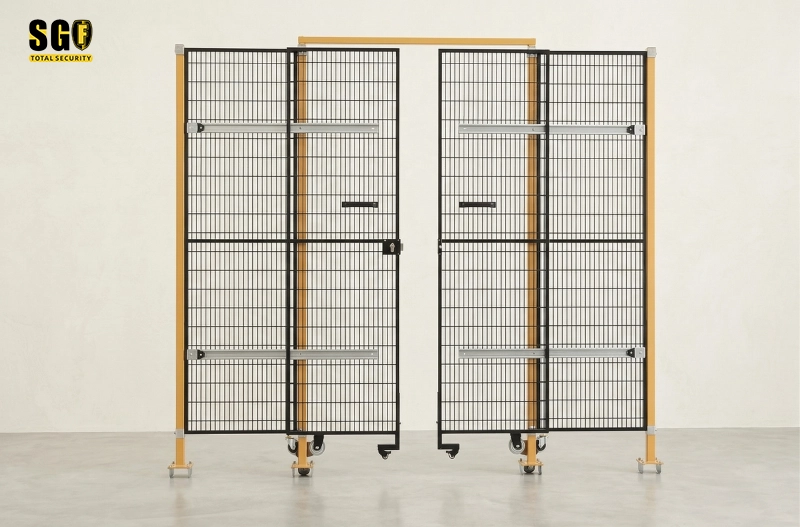
The first line of defense is the finish. A 60-80 μm powder coat gives the surface a thicker protective layer than bargain fencing, which matters when the fence sits beside wet machining, deburring, or washing operations. In this setting, robot safety fence standards are only meaningful if the coating keeps the steel visible and intact after repeated exposure.
Weld detail that does not hold grime
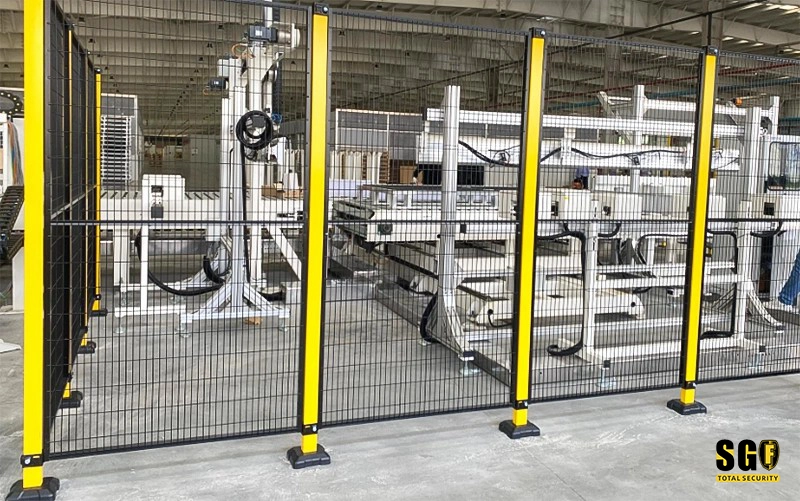
Many fences fail long before the steel does because the joints become dirt traps. Mdfence uses flat full-weld contact points, so the frame and wire mesh join without obvious crevices. That makes the fence easier to wipe down, easier to inspect, and much better aligned with robot safety fence standards that expect both durability and maintainability.
Layout that protects the line without wasting space
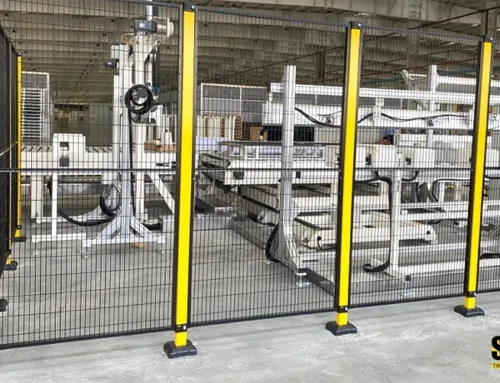
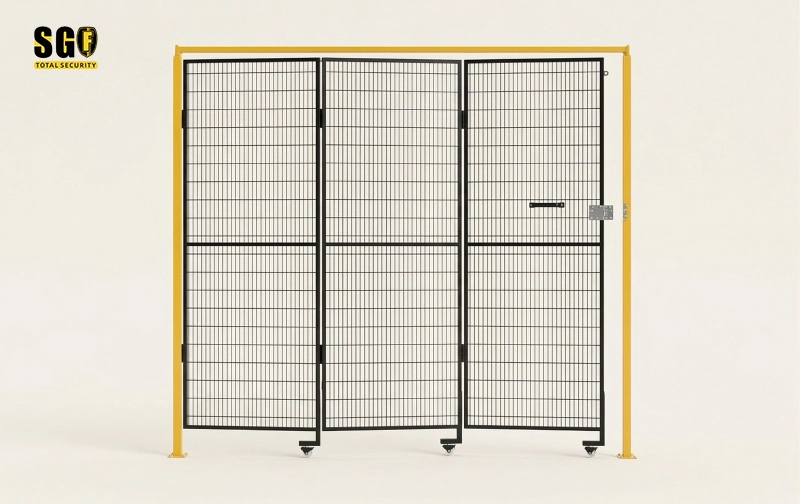
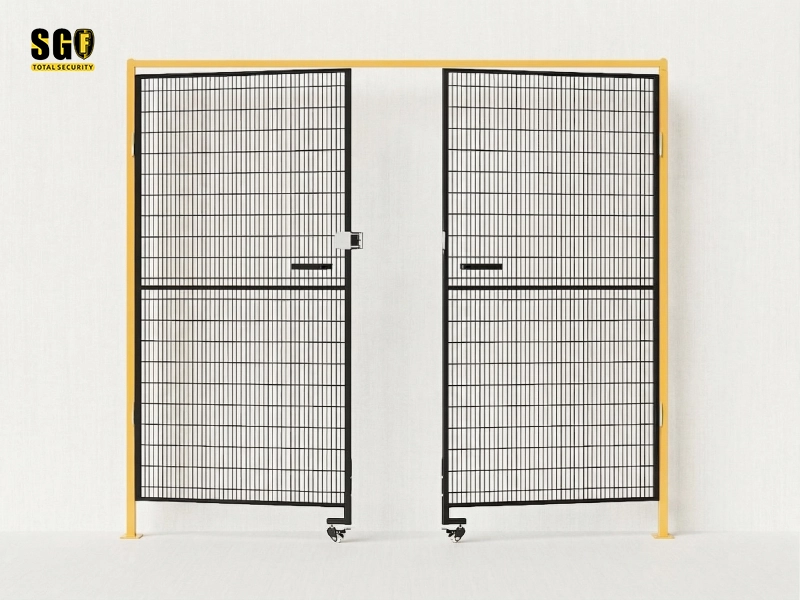
A fence must fit the process, not fight it. The modular layout works for robotic cells, racking aisles, and conveyor-adjacent protection zones, so plants can separate people and equipment while keeping material flow clear. That practical fit is a key reason the system meets robot safety fence standards in real shop-floor conditions.
Where this solution fits best
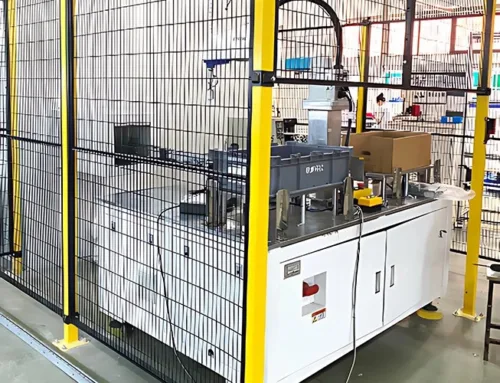
- Robot cells beside machining centers with coolant spray and oil haze
- Metalworking lines that need cleanable perimeter protection
- Warehouses and transfer zones where 5S appearance matters as much as safety
- Plants replacing rusted guard panels with a longer-life guarding system
For these environments, robot safety fence standards are not just a checklist item. They are a durability requirement. Mdfence answers that requirement with corrosion-resistant surface treatment, sealed weld behavior, and a cleaner installation geometry that holds up after long-term exposure.
What to specify before you order
Share the corrosive exposure level, the cell layout, the access points, and the cleaning routine. With that information, Mdfence can be configured to match the process and avoid overbuying panels that will still fail early. If your plant needs robot safety fence standards protection in a harsh machining environment, the right specification starts with corrosion, not just size.
Move from fast-rusting fencing to long-life guarding
Cheap fencing looks acceptable on day one. In a corrosive workshop, it quickly becomes a maintenance problem and a safety-image problem. Mdfence is designed to stay straight, stay clean, and stay protected longer.