EN
EN  DE
DE  RU
RU  PT
PT  JA
JA  ES
ES  IT
IT 
The importance of modular machine protection system fencing

Modular machine protection system fencing is important for several reasons:
-
-
- Safety: The primary purpose of machine protection system fencing is to ensure the safety of workers and other people in the vicinity of the machinery. By installing fencing around the machines, you can prevent unauthorized access, and reduce the risk of accidents and injuries.
- Compliance: Depending on the industry you work in, you may be required by law to install machine protection system fencing. For example, OSHA (Occupational Safety and Health Administration) in the US requires employers to install machine guards and fencing to protect workers from hazardous machinery.
- Productivity: By protecting the machines from damage and unauthorized access, you can improve productivity and reduce downtime. Modular fencing can be easily installed and reconfigured as needed, which allows you to quickly adapt to changing production needs.
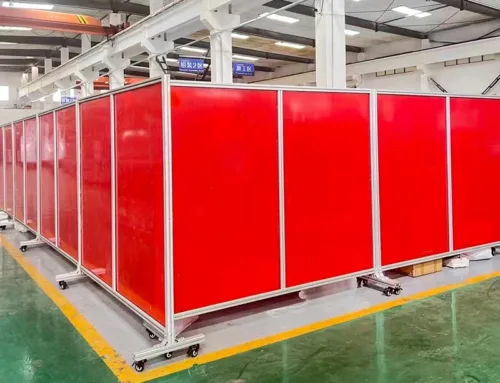
- Customization: Modular machine protection system fencing can be customized to fit your specific machinery and production layout. This allows you to create a tailored solution that meets your needs and provides the necessary protection for your machinery.
-
Overall, modular machine protection system fencing is an important investment that can improve safety, compliance, productivity, and customization in your workplace.
Modular Machine Protection System Fencing: Enhance Safety, Productivity, and Flexibility
Investing in a robust machine protection system is paramount for any industrial operation. Modular fencing offers a versatile and adaptable solution, enhancing safety, ensuring compliance, and optimizing productivity.
Why Modular Machine Protection Fencing is Essential
Modular machine guarding goes beyond basic safety, offering a range of benefits that contribute to a more efficient and secure work environment:
Enhanced Safety for Personnel: The primary function of any machine guarding system is to protect workers from potential hazards. Modular fencing creates a robust barrier, preventing accidental contact with moving parts, sharp edges, and other dangerous elements.
Regulatory Compliance: Meeting industry safety regulations is not just a legal requirement—it’s a demonstration of your commitment to worker well-being. Modular fencing helps ensure compliance with standards like OSHA, ANSI, and others, minimizing the risk of penalties and legal issues.
Improved Productivity and Reduced Downtime: Accidents lead to downtime, impacting your bottom line. Modular fencing minimizes the risk of accidents, keeping operations running smoothly and maximizing productivity. The modular design also allows for quick repairs and modifications, further reducing downtime.
Adaptability and Customization: The modular nature of this fencing allows for easy customization and adaptation to changing production layouts. Reconfigure the system quickly and efficiently to accommodate new machinery or workflow adjustments. This flexibility minimizes disruption and maximizes the system’s lifespan.
Cost-Effectiveness: The adaptability and durability of modular fencing translate to long-term cost savings. Reduce maintenance expenses, minimize downtime costs, and avoid potential fines associated with non-compliance.
Key Features and Benefits of Modular Fencing
Durable Construction: Typically constructed from robust materials like steel or aluminum, modular fencing is built to withstand the rigors of industrial environments.
Easy Installation and Reconfiguration: The modular design simplifies installation and allows for easy reconfiguration as your needs evolve.
Variety of Accessories: Enhance functionality with access gates, safety interlocks, and other accessories tailored to your specific requirements.
Improved Aesthetics: Modular fencing can create a more organized and professional appearance in your facility.
Case Study: Enhancing Safety in a Manufacturing Facility
A manufacturing facility implemented a modular machine protection system, resulting in an 80% reduction in machine-related accidents. The adaptable design allowed them to easily reconfigure the fencing as their production needs changed, ensuring ongoing safety and efficiency.
Frequently Asked Questions
Q: What are the different materials available for modular fencing? A: Common materials include powder-coated steel, stainless steel, and aluminum, each offering different levels of durability and corrosion resistance.
Q: How do I determine the right fencing configuration for my needs? A: A thorough risk assessment of your machinery and operational processes will help determine the appropriate fencing height, material, and configuration. Consulting with a safety expert is recommended.
Q: Can modular fencing be integrated with other safety systems? A: Yes, modular fencing can be seamlessly integrated with safety interlocks, light curtains, and other safety devices to create a comprehensive safety solution.
By investing in modular machine protection fencing, you are investing in the safety of your workforce, the efficiency of your operations, and the long-term success of your business. Contact us today to learn more about how our modular fencing solutions can benefit your facility.
Equipment isolation fence for robot loading cells: Alfence stops nuisance shutdowns
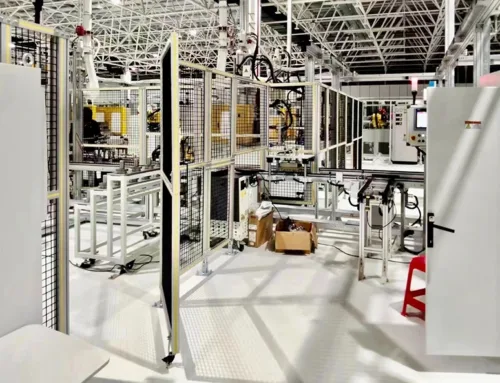
For robot loading cells, Alfence equipment isolation fence keeps sensors, interlocks, and cable routes off painted steel posts so the PLC does not trip on false door signals.
Machine Guard Fencing for Hygienic Food and Pharma Lines | Alfence
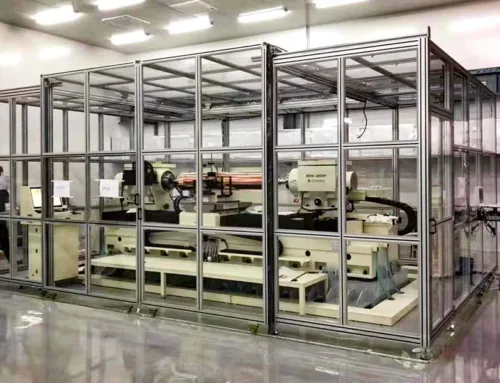
Alfence machine guard fencing uses aluminum profile safety fence construction and powder-coated corrosion protection to support hygienic food, beverage, pharma, and cleanroom layouts.
Machine Guard Fencing for Hygienic Food, Beverage, and Pharma Plants | Alfence
Alfence machine guard fencing uses aluminum profiles and powder coating to protect hygiene-sensitive lines with a cleaner, easier-to-maintain barrier.