EN
EN  DE
DE  RU
RU  PT
PT  JA
JA  ES
ES  IT
IT 
The Importance of Protective Fencing for Large Equipment

When it comes to industrial sites, construction zones, or any location where large equipment is utilized, safety must always be a top priority. One effective measure to enhance safety in such environments is the installation of protective fencing around large equipment. These robust barriers play a vital role in preventing accidents, safeguarding workers and the public, and minimizing costly damages. In this article, we will explore the significance of protective fencing for large equipment, highlighting its benefits and the importance of proper installation.
Enhancing Workplace Safety
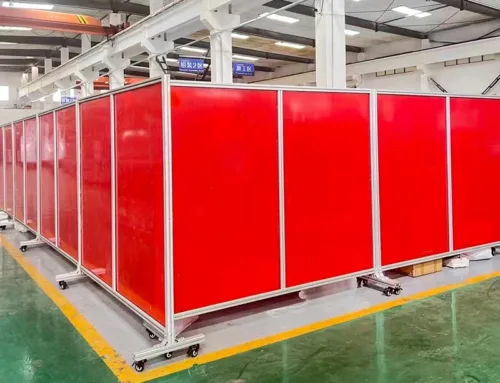
The presence of large equipment in industrial settings can pose significant risks. Heavy machinery, moving parts, and elevated working platforms can lead to potential accidents, especially if proper safety precautions are not in place. Protective fencing acts as a physical barrier, restricting unauthorized access and reducing the chances of accidental contact with dangerous equipment. By keeping personnel and bystanders at a safe distance, the risk of injuries is greatly reduced.
Moreover, large equipment is often operated in busy environments with numerous workers and contractors around. Protective fencing helps create designated work areas, minimizing the risk of collision between equipment and pedestrians. With clear boundaries established, both equipment operators and workers can focus better on their tasks, resulting in increased productivity and fewer distractions.
Preventing Equipment Damage and Downtime
Large equipment represents a significant investment for any company. Damage to such machinery can lead to costly repairs, operational downtime, and project delays. Protective fencing acts as a safeguard against accidental collisions and vandalism. It provides a shield, reducing the likelihood of equipment damage caused by external factors such as vehicles, falling debris, or other equipment.
In construction sites, protective fencing is especially crucial during excavation and digging operations. These activities can weaken the ground and pose risks of collapse or cave-ins. Fencing off areas around excavation sites ensures that large equipment stays clear of hazardous zones, preventing potential accidents and ensuring stable ground conditions.
In conclusion, the implementation of protective fencing around large equipment is a crucial aspect of ensuring workplace safety and protecting valuable assets. By creating clear boundaries, these barriers prevent accidents, injuries, and costly equipment damage. Employers must prioritize the proper installation and maintenance of such fencing to guarantee its effectiveness. Investing in protective fencing not only safeguards the well-being of workers and the public but also contributes to a more efficient and productive work environment. With safety at the forefront, companies can establish a positive reputation and foster a culture of responsible work practices, benefitting everyone involved.
Equipment isolation fence for robot loading cells: Alfence stops nuisance shutdowns
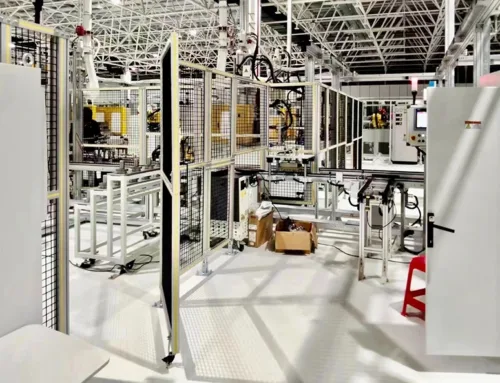
For robot loading cells, Alfence equipment isolation fence keeps sensors, interlocks, and cable routes off painted steel posts so the PLC does not trip on false door signals.
Machine Guard Fencing for Hygienic Food and Pharma Lines | Alfence
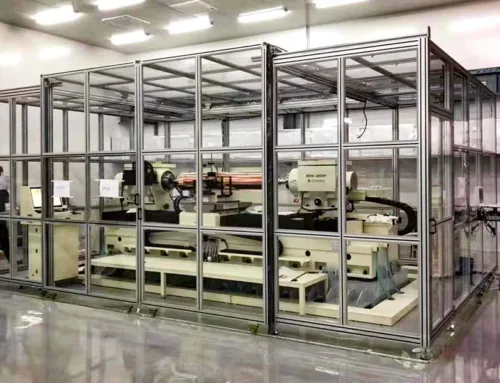
Alfence machine guard fencing uses aluminum profile safety fence construction and powder-coated corrosion protection to support hygienic food, beverage, pharma, and cleanroom layouts.
Machine Guard Fencing for Hygienic Food, Beverage, and Pharma Plants | Alfence
Alfence machine guard fencing uses aluminum profiles and powder coating to protect hygiene-sensitive lines with a cleaner, easier-to-maintain barrier.