EN
EN  DE
DE  RU
RU  PT
PT  JA
JA  ES
ES  IT
IT Machine Fence for reconfigurable offsite production
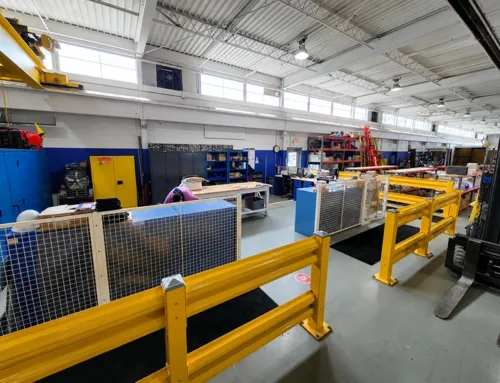
Machine Fence for Offsite Lines That Must Rebuild Fast
A Machine Fence built for teams that keep changing layouts, swapping processes, and expanding robot cells without turning every safety boundary into scrap.
Why this production model needs a different safety fence
In a one-and-a-half-year ramp-up, the line can change several times: fixtures move, process logic changes, a fastening method gets replaced, and the robot cell footprint gets re-drawn. If the guarding is a welded local build, it behaves like a dead asset. Once dismantled, it is usually written off instead of reused. That is the wrong structure for a plant that wins by staying flexible.
| What the plant needs | How Machine Fence answers it |
|---|---|
| Fast line re-layout | 100% modular cold-assembly design with clamp-ring connections for quick, non-destructive removal and re-build. |
| Less scrap when the process changes | Panels, posts, and joints can be reused again and again, pushing asset reuse above 95%. |
| No hot work during internal changes | No onsite welding is needed, so reconfiguration is cleaner, safer, and easier to schedule around production. |
| Robot cell expansion without restarting the whole guarding project | The fence can be extended, shifted, or re-segmented instead of scrapped and rebuilt from zero. |
What the structure shows
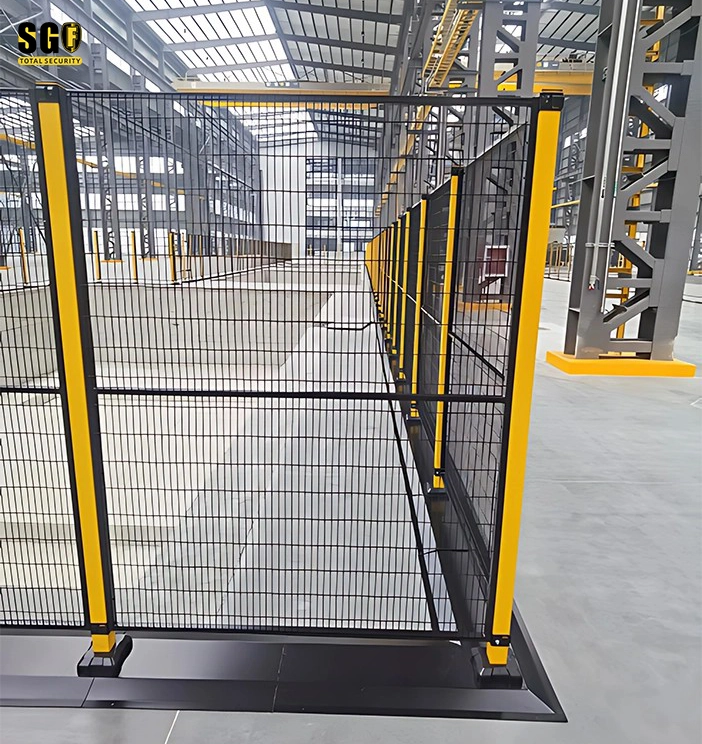
1. Corner continuity for rapid re-layout
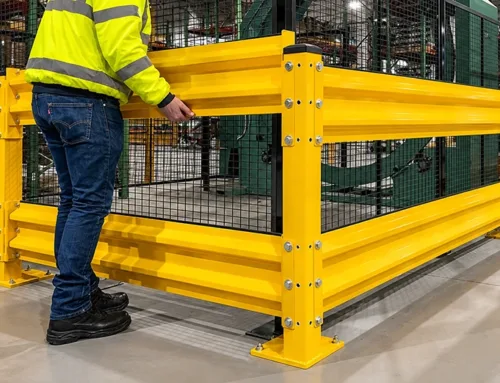
The corner detail shows how the yellow post and black mesh stay visually and structurally aligned. That matters when a robot cell needs to be shifted or re-opened: the boundary must come apart cleanly, then go back together without damaging the parts.
2. Cell-level guarding for automation equipment
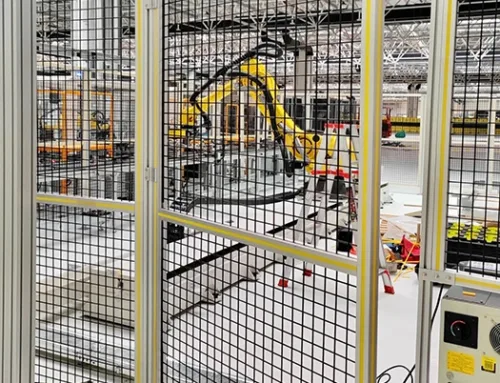
The wide production-cell view shows a Machine Fence enclosing automation equipment as a complete working unit. This is the right fit when the business wants to redesign a robot island, not just protect a machine in place forever.
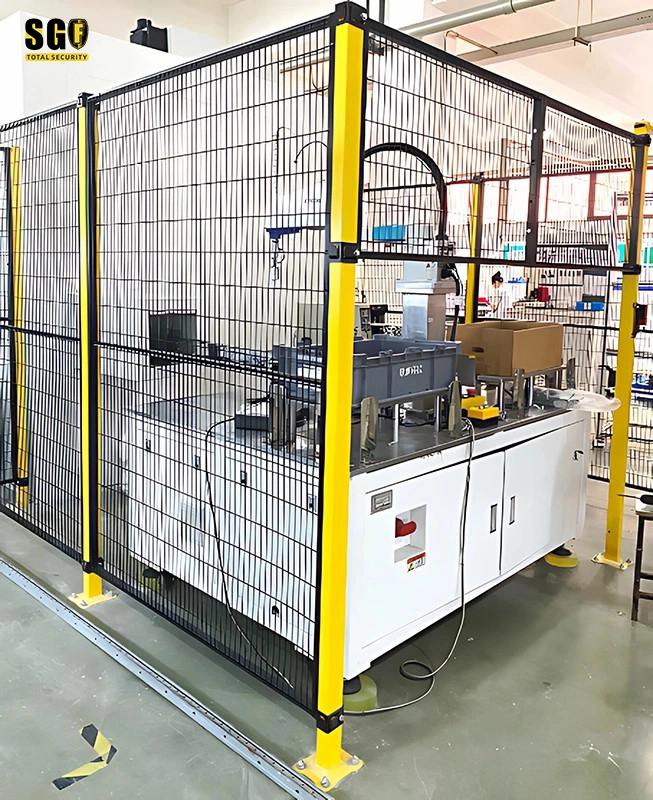
3. Workflow protection around conveyors and transfer points
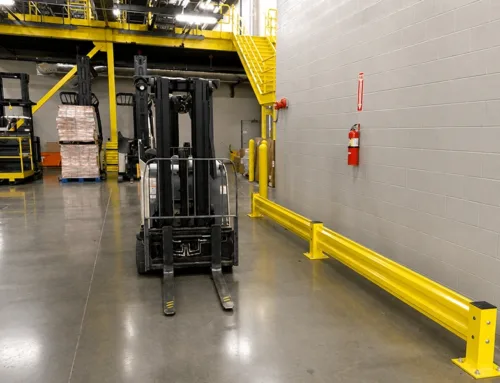
The conveyor-side image proves the fence is not only for static perimeter closure. It can protect transfer equipment, keep access corridors clear, and preserve the flow logic when the line is rebalanced or expanded.
Where this Machine Fence fits best
- Offsite manufacturing plants that keep changing process logic during ramp-up
- Robot cells that need to be re-marked, expanded, or split into new zones
- Conveyor and transfer lines that must stay protected while layouts evolve
- Teams that want reusable guarding instead of another round of disposal and re-buying
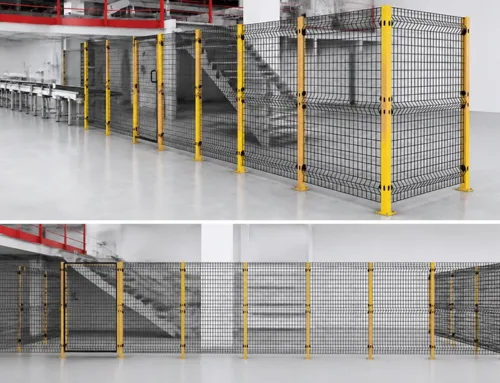
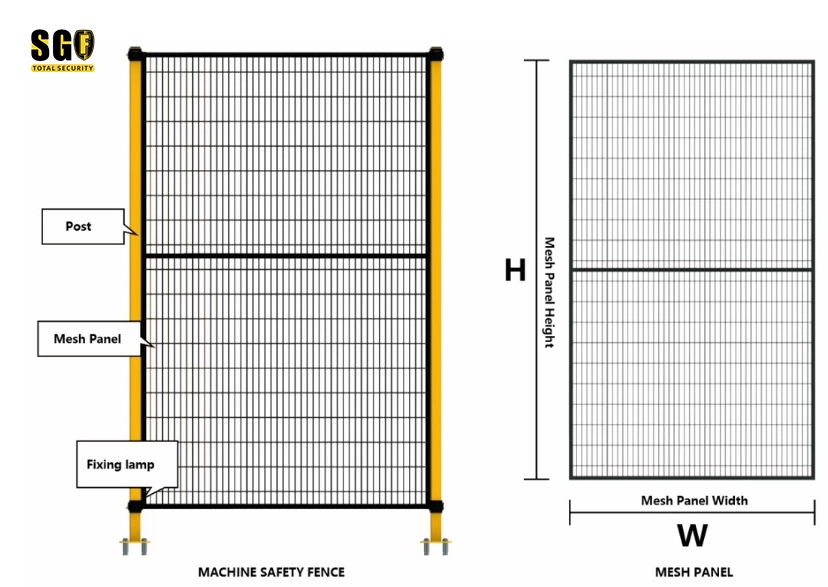
The same modular logic is visible in the heavy-duty enclosure view: a closed work area can be contained cleanly, then opened and reconfigured when the next production revision arrives.
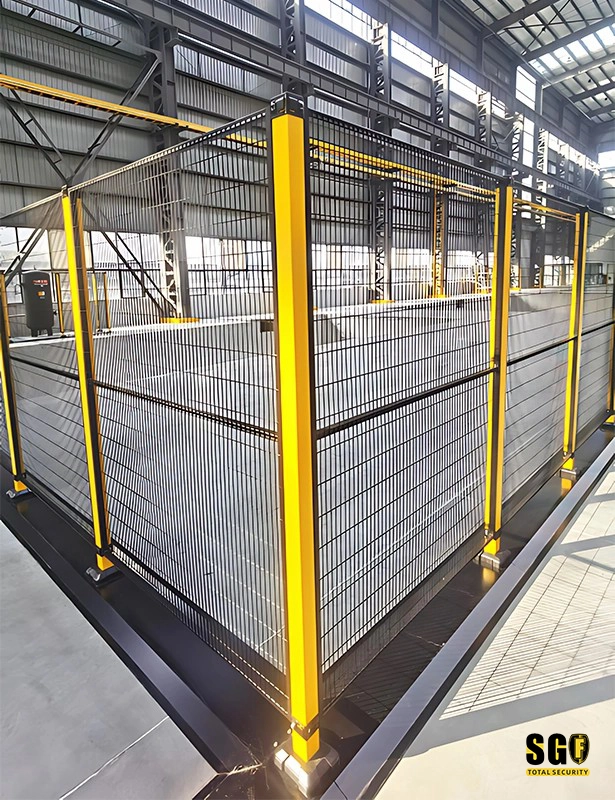
For a leading British offsite manufacturer that had to keep upgrading its line, this was the key difference: the safety boundary stopped being a disposable cost and became a reusable asset that can keep pace with the plant.
Proof points that matter to operations
Machine Fence is specified for modular assembly, fast teardown, and repeat deployment. That is why it supports reconfiguration work without forcing a full guard replacement every time the process changes. In practical terms, the structure is designed to preserve equipment protection while reducing waste, downtime, and secondary spend.
When the production plan changes again, the fence does not become scrap. It becomes inventory you can move, reuse, and extend.
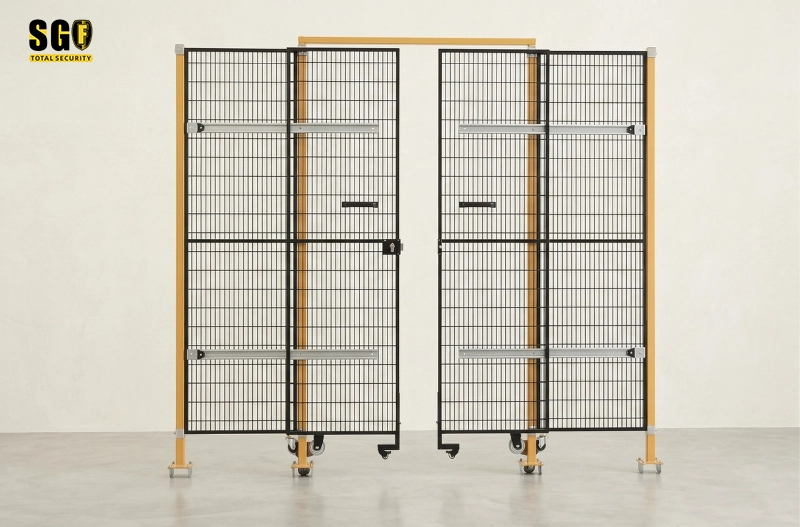
Build your next layout around reuse, not disposal
If your line is still changing, your guarding should be able to change with it. Choose a Machine Fence that can be dismantled cleanly, moved quickly, and reused at the next cell.